
Ebola Outbreak in Congo Could Become the Worst in History
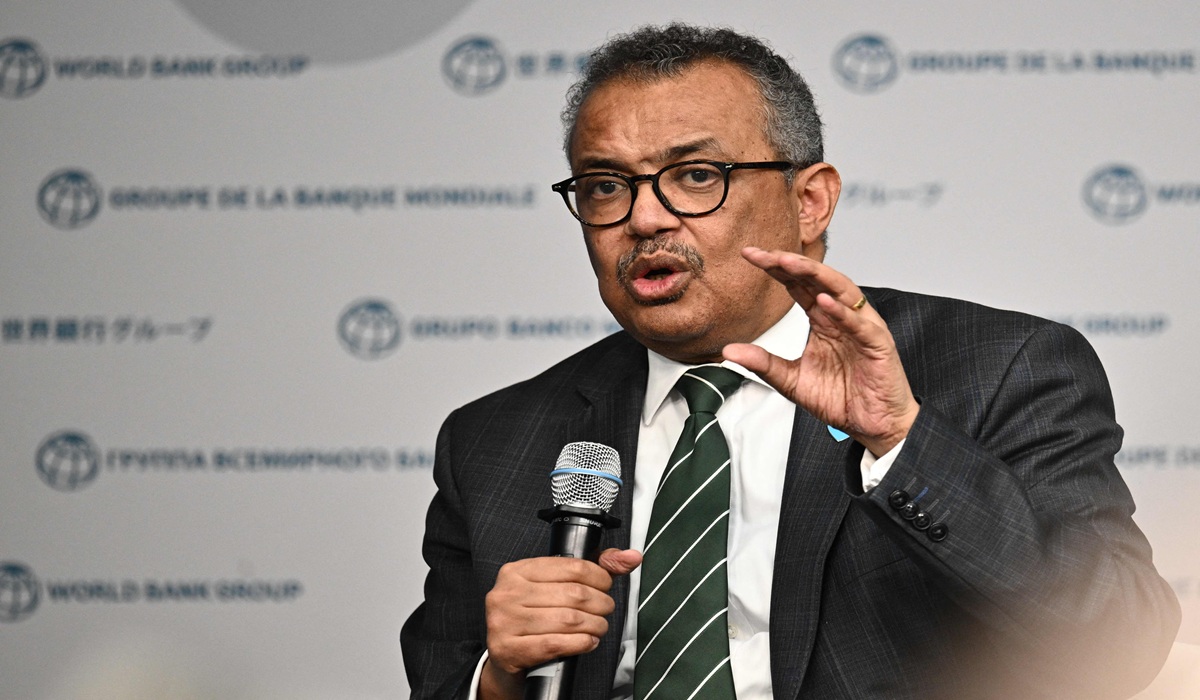
World Health Organization (WHO) Director-General Tedros Adhanom Ghebreyesus has issued a grave warning regarding the Ebola outbreak currently ravaging the Democratic Republic of Congo (DR Congo). He stated that if the current rate of transmission continues, the 2026 outbreak could surpass the record for the deadliest epidemic in history. Tedros noted that the crisis could exceed the scale of the 2014-2016 Ebola outbreak, which claimed at least 11,000 lives. Since the outbreak was officially declared on 15 May 2026, the number of cases and fatalities has continued to climb significantly.
WHO Africa Director Dr. Mohamed Janabi revealed that health authorities are in a position of “chasing” a virus that is moving faster than containment efforts. Recent research indicates the virus has been spreading since February but was initially misdiagnosed as malaria or typhoid. The situation on the ground is further complicated by regional instability in eastern DR Congo. Ongoing conflict means health workers can only reach approximately 30% of the total cases. The WHO aims to reverse the transmission trend within three months, though this target only involves controlling the spread, not ending the outbreak entirely.
This outbreak is driven by the Bundibugyo species, a rare variant previously recorded only twice, in 2007 and 2012. Unlike the Zaire species, for which a vaccine exists, there is currently no officially approved vaccine or therapeutic drug to treat the Bundibugyo strain. Ebola is a deadly viral disease with symptoms appearing between 2 and 21 days after infection. Initial symptoms include fever, fatigue, and muscle pain, and transmission occurs through direct contact with infected bodily fluids such as blood or vomit.
Amid the emergency, a ray of hope has emerged from the medical sector. The UK’s medicines regulator, the MHRA, has granted approval for the first human trial of a vaccine specifically targeting the Bundibugyo species. The vaccine is being developed by a team from the University of Oxford using technology similar to the Oxford-AstraZeneca Covid-19 vaccine. Additionally, three other research groups are developing different vaccines, though they have yet to enter clinical trials. In parallel, the WHO is sponsoring clinical trials in DR Congo to test the effectiveness of two existing antiviral therapies in improving patient survival rates.