
Ebola Declared PHEIC, Government Urged to Focus on Preventive Measures
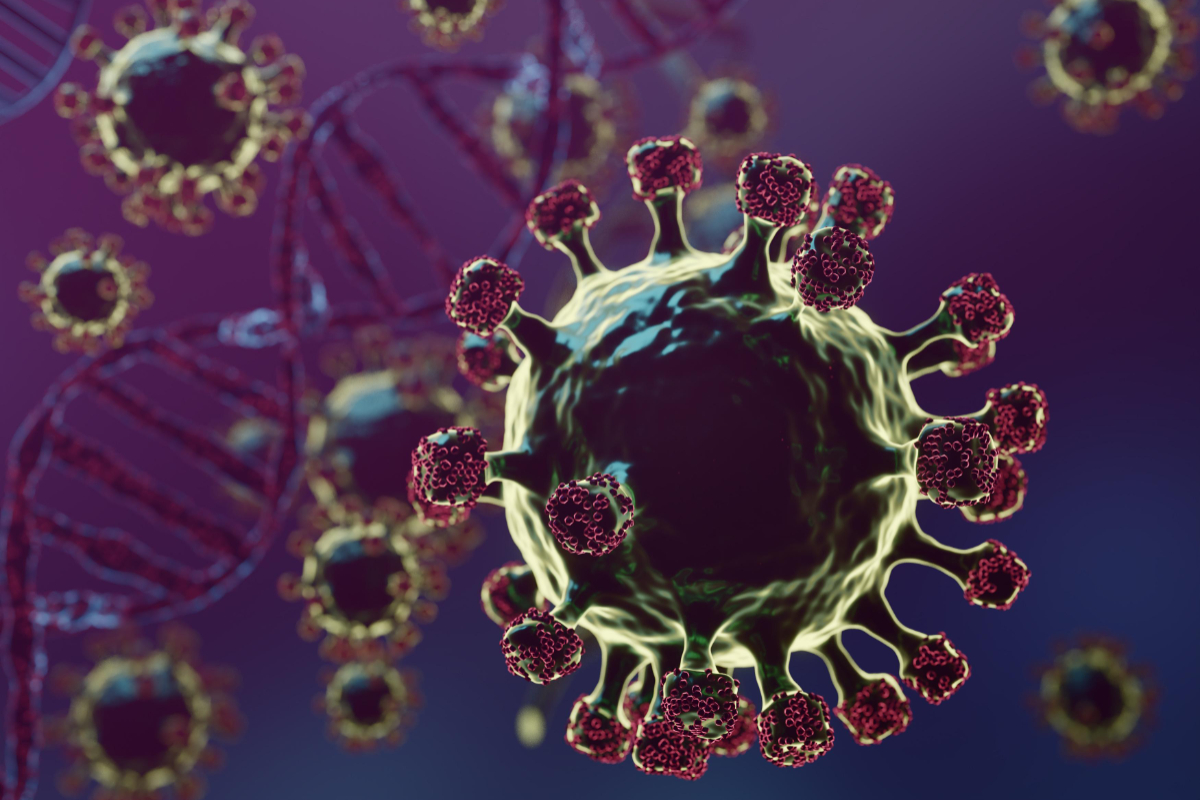
Ebola declared PHEIC by WHO sparks global vigilance, including in Indonesia. Despite no domestic cases, authorities are urged to strengthen anticipatory measures to prevent the deadly disease’s potential spread.
Declaring PHEIC is a serious signal, indicating cross-border transmission risk if the outbreak isn’t controlled swiftly. The situation echoes global warnings at the start of the COVID-19 pandemic.
Project Manager for Community-based Surveillance at Ruang Kebijakan Kesehatan Indonesia (RUKKI), Mustakim, said Indonesia must act swiftly and preventively against Ebola.
‘PHEIC is not just a label but a warning that Ebola poses a high risk of becoming a global health crisis like COVID-19. Indonesia must prepare with preventive measures, not reactive ones,’ Mustakim stated on Tuesday (26 May).
Ebola spreads from animals to humans through contact with infected blood, bodily fluids, or organs of animals such as fruit bats, chimpanzees, gorillas, monkeys, and forest antelopes. Human-to-human transmission occurs via direct contact with patients’ bodily fluids or contaminated objects.
Mustakim explained that Indonesia has been strengthening its vigilance system despite no confirmed Ebola cases.
‘Although Indonesia has not recorded any confirmed Ebola cases, the government remains vigilant by implementing strict surveillance coordinated by the Ministry of Health to protect against foreign transmission threats. It has issued circulars emphasising border control, with travellers from outbreak-affected countries undergoing rigorous checks at airports and ports,’ he said.
He added that monitoring includes temperature checks and travel history. Those showing symptoms are referred to infectious disease hospitals. The government is also enhancing early warning systems by monitoring global developments with WHO and maintaining national reference laboratories.
Mustakim stressed the importance of heightened vigilance given Ebola’s fatality rate of 25-90% in past outbreaks.
‘As of 16 May 2026, health authorities reported eight laboratory-confirmed Ebola cases, 246 suspected cases, and 80 suspected deaths in Ituri Province, Democratic Republic of Congo,’ he added.
Meanwhile, Fauzi Budi Satria, a global health security researcher at Universitas Sumatera Utara, said the emergence of zoonotic outbreaks like Ebola shows the world’s preparedness for infectious diseases remains inadequate.
He noted that while global emergency response capacity has improved post-COVID-19, aspects like zoonotic disease control still need strengthening.
According to Budi, Ebola’s PHEIC declaration is a critical moment to assess Indonesia’s readiness for global health threats and test new regulations post-COVID-19.
Highlighted regulations include Health Minister Regulation No. 1 of 2026 on Outbreaks, Epidemics, and Health Crises, and Coordinating Minister for Human Development and Culture Regulation No. 7 of 2022 on Guidelines for Zoonotic and New Infectious Disease Prevention and Control in Indonesia.
‘These regulations demonstrate Indonesia has clearer legal foundations for health emergency response,’ Budi said.
He urged the government to implement these regulations optimally for more structured and effective outbreak responses.
Additionally, Budi highlighted that the COVID-19 pandemic revealed ongoing challenges in healthcare systems worldwide, including Indonesia: healthcare services, medical equipment availability, medical personnel, information systems, funding, and governance and regulations.
He stressed that strengthening health regulations and governance is vital for building a resilient national healthcare system against future health emergencies.
Budi called on all societal elements to support and monitor government health emergency policies, emphasising that multi-stakeholder collaboration is essential for Indonesia to better prepare for future infectious disease threats.