
Ebola Cases in DR Congo Reach Highest Level Since Outbreak Began
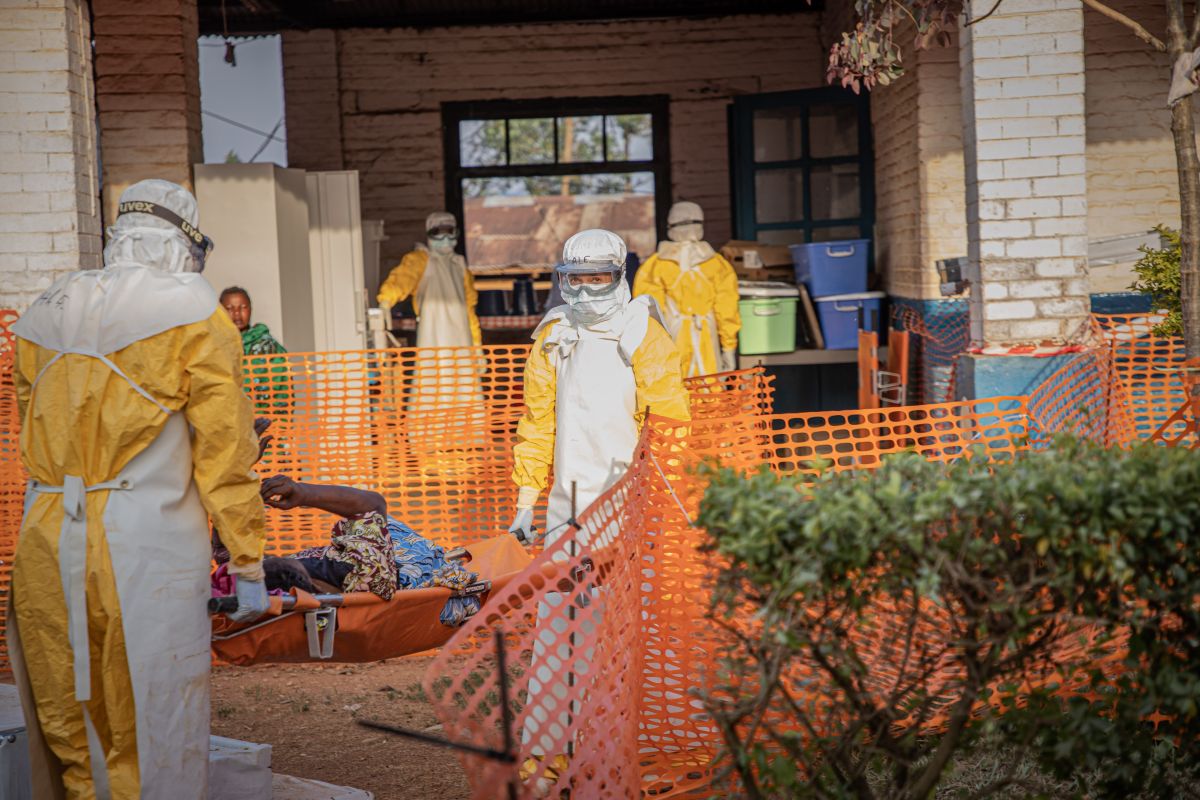
Brazzaville (ANTARA) - The weekly number of new Ebola cases in the Democratic Republic of Congo (DRC) has reached the highest level since the outbreak began, according to Mohamed Yakub Janabi, the World Health Organisation (WHO) regional director for Africa, on Friday (3/7).
In an online media briefing, Janabi stated that this is the largest recorded Bundibugyo Ebola outbreak and that the situation remains serious, with ongoing transmission occurring in the Itural and North Kivu provinces in eastern DRC.
Pierre Akilimali, a WHO expert in the DRC, noted that the outbreak is occurring in areas affected by insecurity and the activities of armed groups, which complicates case detection and contact tracing.
Akilimali added that several affected areas in Ituri Province are mining zones, where high levels of human movement from outside the region increase the risk of virus transmission.
As of Wednesday (1/7), the DRC has reported 1,460 confirmed Ebola cases, including 432 deaths, with a case fatality rate of approximately 31%, Akilimali said, adding that cases have been recorded in 36 health zones across three provinces.
He also stated that 321 of the total deaths occurred within the community, accounting for almost three-quarters of the total. This indicates that many patients failed to reach health facilities in time to receive treatment.
Benjamin Sensasi, a WHO expert in Uganda, said that as of Thursday (2/7), Uganda has reported 20 confirmed cases, including 15 imported cases. The five other locally transmitted cases were all detected during quarantine, and no community transmission has been observed.
Uganda and the DRC have established a joint cross-border response mechanism and signed a memorandum of understanding (MoU), Sensasi said. Under the MoU, both countries will share surveillance information and strengthen screening and treatment capacities in border areas, he added.