
East Nusa Tenggara Police Secure MURI Record for Mental Health Therapy Programme
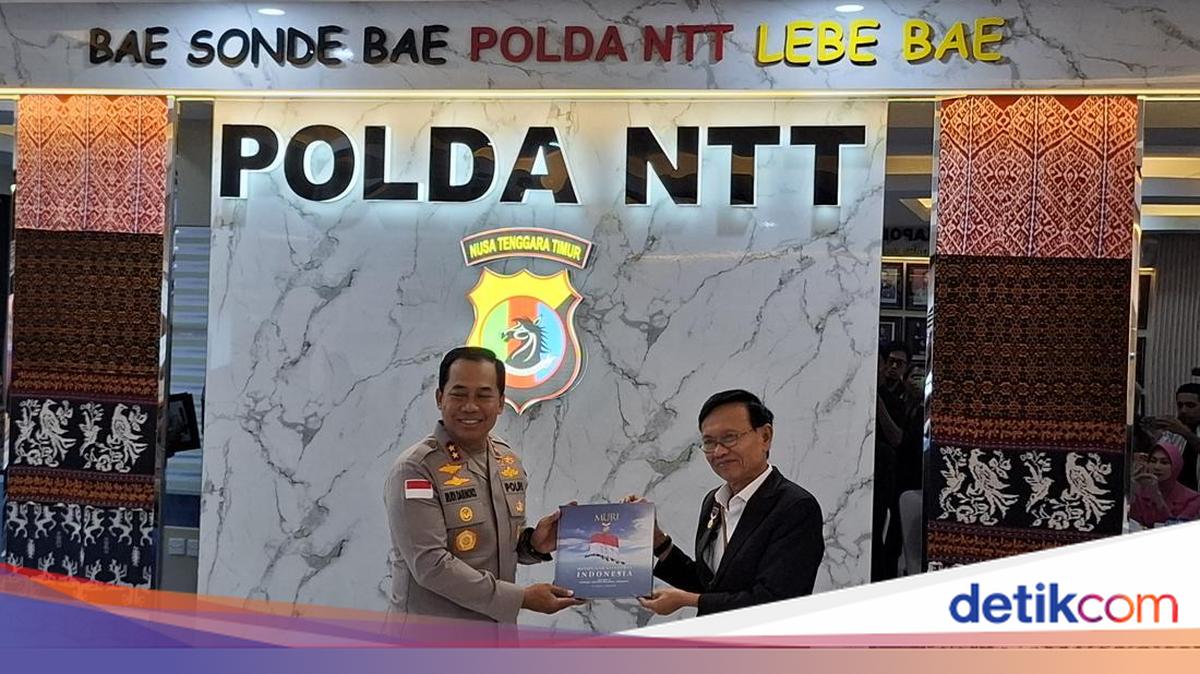
The East Nusa Tenggara (NTT) Regional Police have secured a record from the Indonesian World Records Museum (MURI) for pioneering mental health therapy for its members and the public using the Ultimate Source Body, Mind, Soul Emotional Freedom Technique (USEFT). “This record was achieved for being the first regional police force in Indonesia to implement mental health therapy for its personnel and the community,” said MURI Operational Director Yusuf Ngadri during the award ceremony at the NTT Police Headquarters on Saturday (4/7/2026).
NTT Police Chief Inspector General Rudi Darmoko stated that in addition to being the first regional police force to implement the programme, his institution also set a record for the highest number of participants in USEFT-based therapy. However, he stressed that the award was not the primary objective. “For us, this MURI award is not the main goal; the goal is to help members of the National Police and the community who are facing mental health issues to regain hope in life,” Rudi explained.
According to Rudi, the mental health therapy programme has been in place since he assumed office as NTT Police Chief. Initially, it focused solely on personnel to ensure they had a healthy psychological state, enabling them to provide optimal service to the public. “Police officers are public servants. If they themselves still have mental problems, their service to the community will certainly not be optimal. Therefore, we first addressed our personnel, and then expanded the programme to the public,” he said.
He noted that as of June 2026, a total of 11,663 participants had undergone the therapy in stages. The participants included not only police officers but also members of the general public and inmates at correctional facilities. The therapy has helped address various psychological issues, ranging from depression and trauma to suicidal thoughts. Several police officers who were previously considering divorce or suffering from mental distress were reportedly helped through the programme.