
East Kutai Regency Targets TB Elimination by 2030
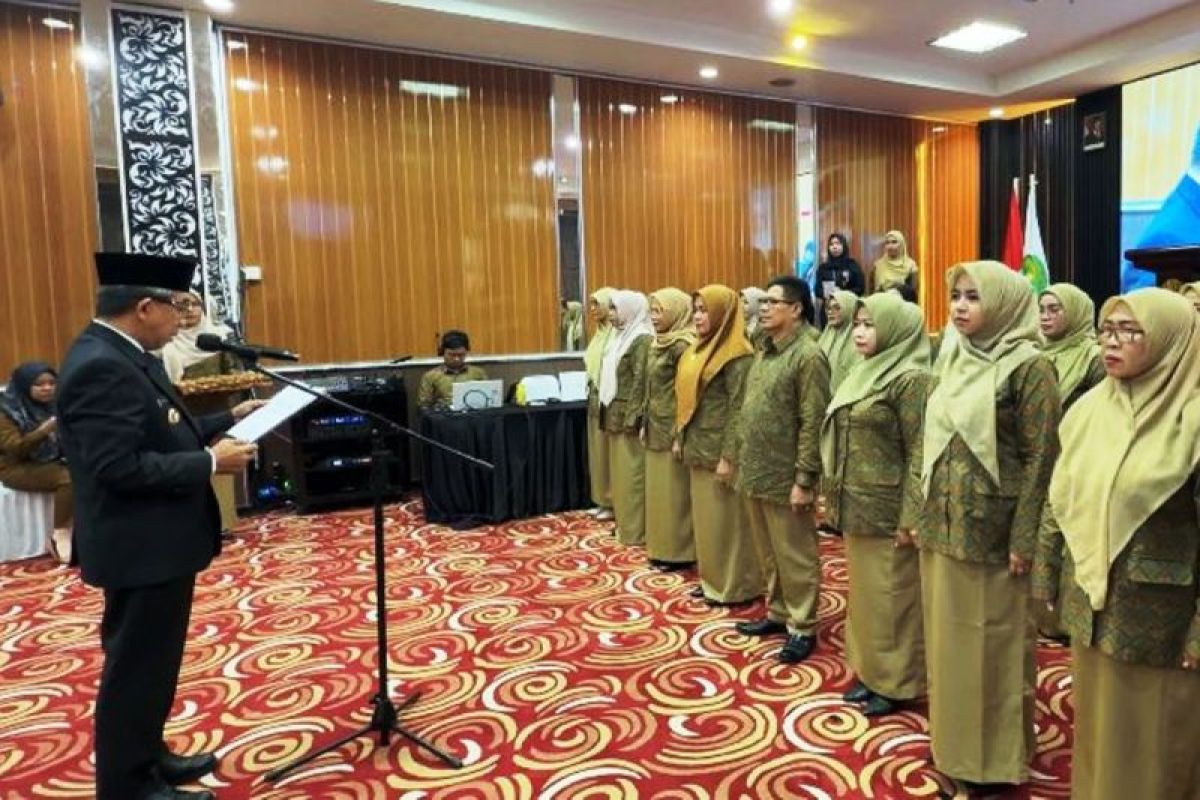
Sangatta, East Kalimantan (ANTARA) - The East Kutai Regency Government (Pemkab Kutim) in East Kalimantan targets the elimination of tuberculosis (TB) by 2030, involving various stakeholders. “To support the TB elimination programme, the regency government is partnering with the Indonesian Tuberculosis Eradication Association (PPTI), from the district level down to the sub-districts,” said East Kutai Regent Ardiansyah Sulaiman in Sangatta, Kutim, on Wednesday. The regent stated that the number of TB sufferers in Kutim is currently around 1,000 people, spread across 18 sub-districts. The regency government hopes that the PPTI Branch Management Bodies (PAC) in the 18 sub-districts will assist with data collection and reporting to ensure more targeted handling. “The role of PPTI cadres is not limited to finding and recording TB cases, but they must also report actively. Reporting is the main key in determining the appropriate handling steps,” he said. The main goal of TB elimination, he added, is to stop or break the chain of transmission so that it no longer becomes a public health problem, including efforts to reduce the number of new cases. “The regency government wants to protect children, pregnant women, the elderly, and people with weakened immune systems from TB infection. The regency government also wants the community to live healthy and productive lives without the burden of disease, and to prevent deaths due to TB complications,” he said. In addition to inviting all elements of society to be more concerned about the spread of TB, the regent also wants the community to adopt healthy living patterns, keep the environment clean and green, and avoid risk factors for disease due to smoking. “We must be confident that TB can be cured. However, this can only be achieved if there is collective awareness to report cases, complete treatment, and keep the environment healthy,” he said. Meanwhile, the Chair of PPTI East Kutai Regency, Siti Robiah Ardiansyah, stated that the establishment of PACs at the sub-district level is a strategic step to expand the reach of TB control to the community. With the formation of PACs in 18 sub-districts, she hopes that prevention efforts, case finding, and treatment support can be more optimal.