
East Kalimantan refines strategy to end dependence on mining sector
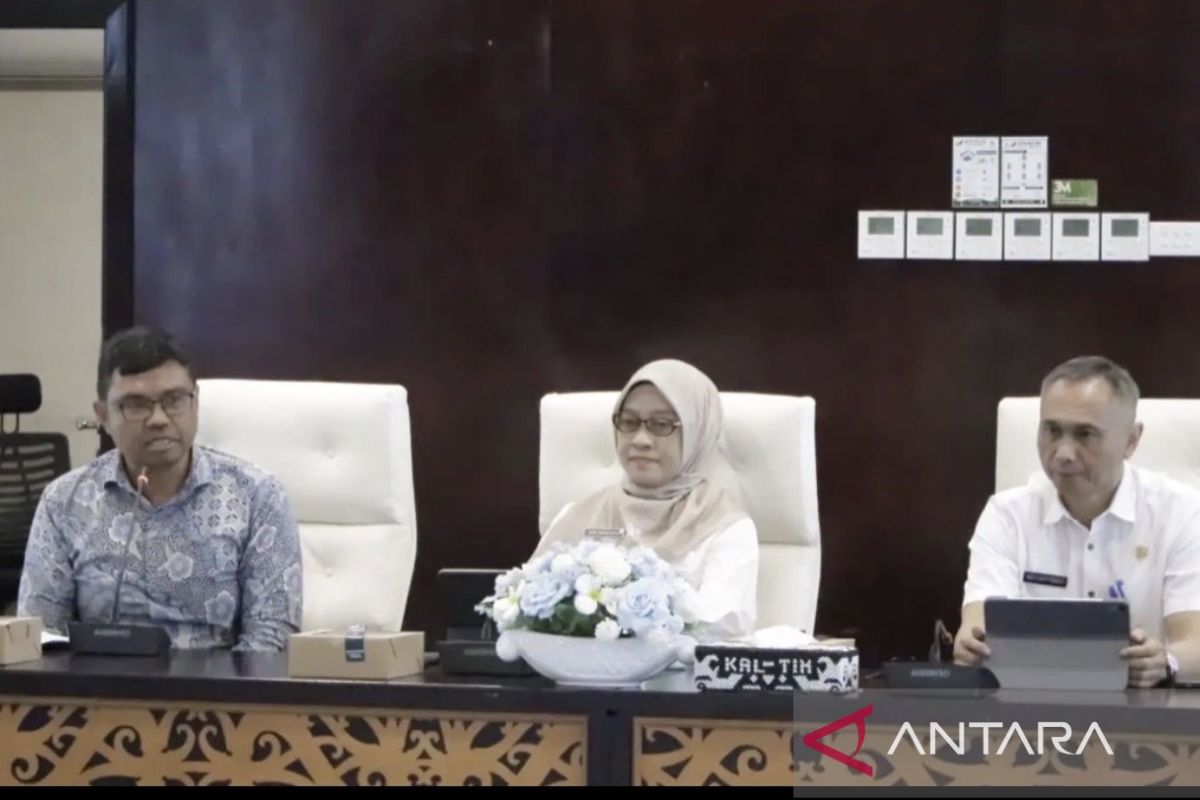
The Provincial Government of East Kalimantan has begun refining its economic transformation strategy towards 2045 to free the region from dependence on the coal mining sector by strengthening sustainable economic sources.
“Economic transformation is needed to strengthen existing leading sectors while preparing new industries that are more sustainable and aligned with global developments,” said Wahyu Gatut Purboyo, Secretary of the East Kalimantan Regional Development Planning Agency (Bappeda), in Samarinda on Wednesday.
Speaking at the opening of the third round of discussions at the Regional Consultation Forum for Accelerating East Kalimantan’s Economic Transformation at the Governor’s Office, Wahyu emphasised that approximately 34 percent of East Kalimantan’s Gross Regional Domestic Product (GRDP) still comes from the coal mining sector, which employs around 46,000 workers.
However, dependence on a commodity heavily influenced by global prices and demand needs to be anticipated through planned economic transformation.
According to him, the direction of East Kalimantan’s economic transformation does not only focus on developing existing sectors but also encourages the emergence of new sources of economic growth that can provide long-term benefits for the community.
Wahyu added that East Kalimantan’s economic transformation has actually been underway for a long time. In the 1970s, the regional economy was dominated by the forestry sector, then shifted to coal commodities in the early 2000s.
Now, other sectors such as plantations, particularly oil palm, are beginning to show an increasingly significant contribution to the regional economic structure.
“Mining is indeed still the main sector, but those resources will not last forever. Therefore, we must prepare a more sustainable and equitable economy,” he stressed.
The discussion, facilitated by Ade Cahyat from GIZ, brought together a number of strategic stakeholders, including East Kalimantan Regional Secretary Sri Wahyuni, Head of the Regional Economic and Financial Development Directorate of OJK East Kalimantan-North Kalimantan Misyar Borowisanto, and Deputy Head of the Bank Indonesia Representative Office for East Kalimantan Bayuadi Hardiyanto.
Also present were representatives from various business and professional organisations, such as the Indonesian Employers Association (APINDO), the Indonesian Palm Oil Entrepreneurs Association (GAPKI), and the Indonesian Recreation Park Business Association (PUTRI).
This cross-sector forum is part of a shared commitment to formulate the direction of East Kalimantan’s economic development towards 2045 that is more resilient, inclusive, and not dependent on non-renewable natural resources.