
East Kalimantan Optimistic B50 Implementation Will Boost Smallholder Palm Oil Absorption
The East Kalimantan Provincial Government is optimistic that the implementation of biodiesel fuel with a 50 per cent palm oil blend (B50), officially set to take effect from 1 July 2026, will provide a significant boost to the regional plantation sector.
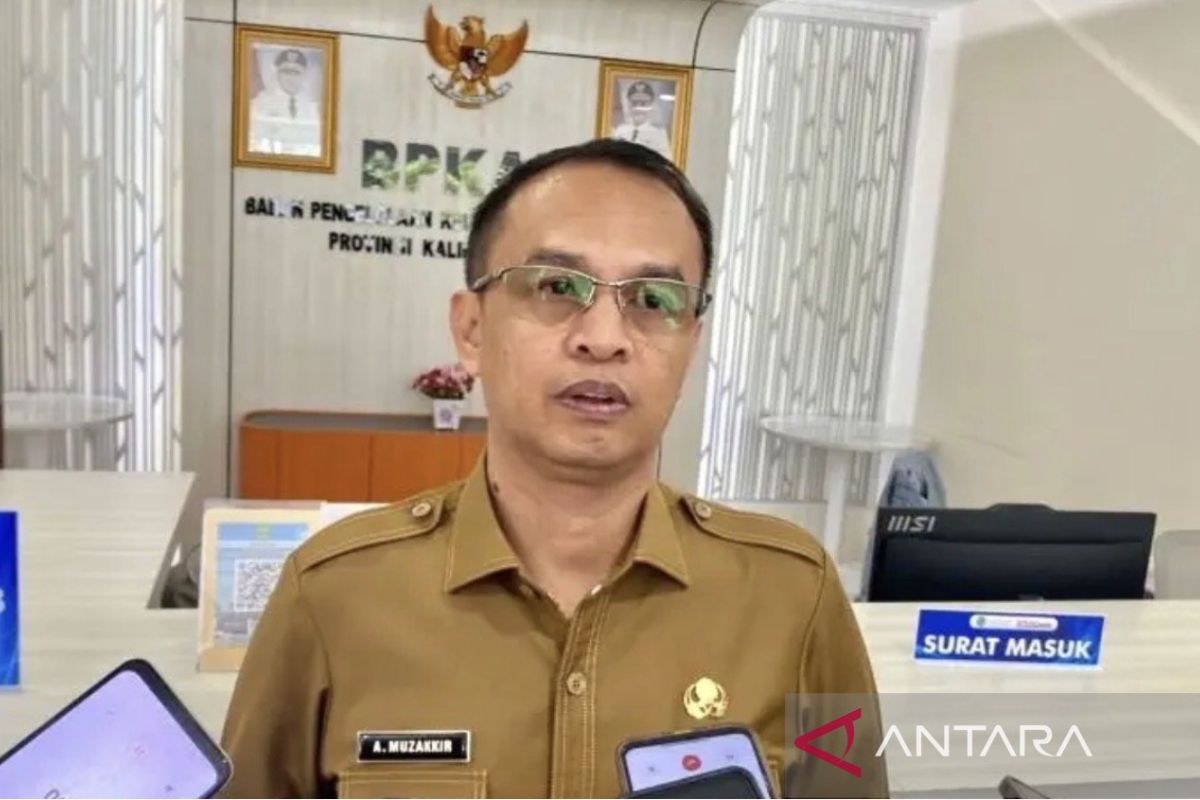
“This national policy is projected to be able to significantly increase the volume of absorption of smallholder palm oil yields in the East Kalimantan region,” said the Acting Head of the East Kalimantan Plantation Office, Ahmad Muzakkir, in Samarinda on Friday.
According to Muzakkir, this strategic policy has great potential to create a multiplier effect. In addition to securing the domestic market, this downstreaming process is key to maintaining the price stability of Fresh Fruit Bunches (FFB) directly at the level of independent smallholders.
Muzakkir explained that East Kalimantan possesses a very strong production base to support this national energy security. Currently, the area of smallholder palm oil commodities in the province has reached 225,000 hectares. From this area, productivity is capable of producing approximately 741,000 tonnes of FFB per year.
“This large upstream potential will be further optimised because it is supported by the readiness of the downstream sector. Currently, there are 108 Palm Oil Mills (PKS) operating actively throughout the East Kalimantan region,” said Muzakkir.
These hundreds of mills are ready to process FFB into Crude Palm Oil (CPO), which will subsequently be supplied as the primary raw material for B50 biodiesel production.
“In any case, this policy will provide a real positive impact on farmer welfare through increased utilisation of their harvests,” he added.
Although the regulation is underway, the East Kalimantan Provincial Government emphasised that the success of full B50 implementation in the field still depends on the technical implementation stages and the reliability of distribution mechanisms. The supply system is currently being finalised by the central government in collaboration with a consortium of private parties.
“We are still awaiting the details of the subsequent implementation stages. For the advanced processing stages through to the commercial distribution mechanism, everything must certainly refer to the integrated system that has been established,” Muzakkir explained.
He added that the East Kalimantan Provincial Government is in a position to provide regulatory support and regional guidance within its authority. The success of this programme is considered to require solid synergy between the government as the regulator and the private sector as the field executor.
On the other hand, the East Kalimantan Provincial Government is committed to ensuring that the economic wheels of smallholders are not crushed by this new regulatory transition. The aspect of protecting FFB prices at the farmer level remains a primary supervisory priority for the relevant department.
The provincial government continues to establish periodic FFB reference prices transparently so that farmers obtain a fair profit margin. Currently, FFB prices in East Kalimantan are on a positive trend, at around Rp3,400 per kilogram.
The government hopes that this figure will not merely hold steady, but can rise sustainably alongside the surging demand for CPO raw materials to support the B50 programme.