
East Kalimantan DKP Boosts Blue Economy Potential in Derawan Waters
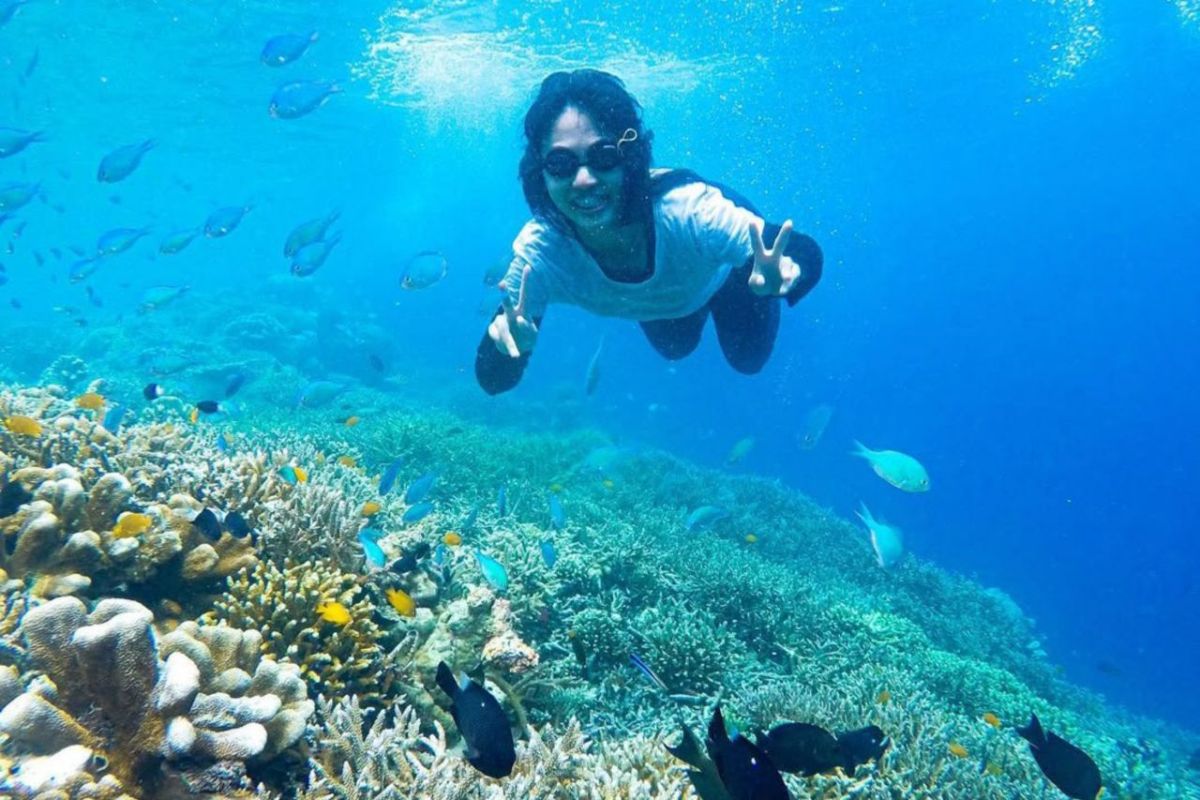
The Marine and Fisheries Agency (DKP) of East Kalimantan Province is intensifying efforts to harness the blue economy potential in the Coastal and Small Islands Conservation Area (KKP3K) of the Derawan Islands and surrounding waters.
“This conservation area of 285,548.95 hectares in Berau is a crucial asset, and since 2024 its management has adopted the Regional Public Service Agency (BLUD) system,” said Yuliana Nidyasari, Sub-Coordinator for Marine and Fisheries Conservation at DKP East Kalimantan, in Samarinda on Tuesday.
The adoption of the BLUD scheme is a strategic regional move to optimise the marine sector through the protection of coral reef, mangrove, and seagrass ecosystems.
“Beyond focusing on marine environmental preservation, this priority programme is specifically aimed at supporting the development of the region’s leading ecotourism sector,” Yuliana stated.
“We want to ensure that all utilisation activities in the Derawan waters can continue sustainably without disrupting the balance of the marine ecosystem,” she added.
An initial assessment of the coastal ecosystem indicates a blue economy potential valued at up to US$317,000 annually.
This potential economic value is closely linked to the high carbon absorption capacity, which is projected to reach more than 69,000 tonnes of carbon dioxide equivalent per year.
“To enhance real economic activity for coastal communities, we are currently awaiting the ratification of a Governor Regulation concerning environmental service tariffs to strengthen the contribution to locally-generated revenue,” Yuliana explained.
“The Derawan waters have long been a world-class tourism magnet due to their biological richness, including the allure of distinctive marine life such as manta rays and whale sharks,” Yuliana revealed.
Based on the latest marine identification, the conservation area is recorded as harbouring underwater diversity comprising 507 species of hard coral, 40 species of mushroom coral, and 52 genera of soft coral.
“We continue to strengthen close collaboration with non-governmental organisations, local community groups, and the district government to sustainably protect this high-value asset,” Yuliana said.