
East Kalimantan BPBD Deploys 3,400 University Students as Disaster Mitigation Agents
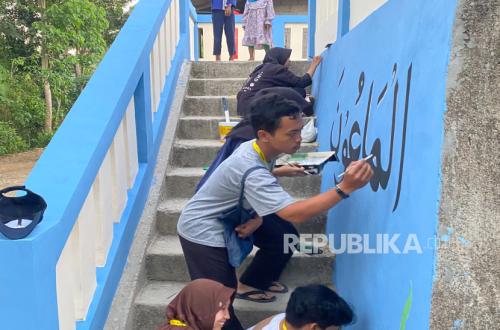
The East Kalimantan Provincial Regional Disaster Management Agency (BPBD) is engaging around 3,400 university students on community service programmes (KKN) to strengthen disaster mitigation efforts down to the village level. The students will play a role in educating the community while gathering disaster data as a basis for formulating more targeted disaster management strategies. BPBD East Kalimantan Chief Executive Buyung Dodi Gunawan stated that the collaboration was carried out with the Community and Village Governance Empowerment Service (DPMPD) and several universities in East Kalimantan. “We are collaborating with the Community and Village Governance Empowerment Service and universities to request support from KKN students to take on a thematic role related to disaster data,” Buyung said in Samarinda on Saturday. According to Buyung, the approximately 3,400 students come from nine universities in East Kalimantan. They will be placed in various villages during the KKN period to help the government obtain a direct picture of potential disaster threats in each area. In addition to providing education to the community, the students will also conduct empirical data collection on environmental conditions, vulnerability levels, and community preparedness in facing various types of disasters. The data will subsequently be analysed by BPBD as material for formulating more effective mitigation policies. Buyung said that involving students is one way to strengthen the community-based approach to disaster management. The presence of students in villages is considered capable of bridging the delivery of disaster information while building residents’ awareness of the importance of early prevention efforts. He noted that the data collection results carried out by students will complement the information currently held by the regional government. With more detailed data down to the village level, the government can formulate mitigation measures according to regional characteristics, including considering local geographical, social, and cultural conditions. The programme is also expected to strengthen the development of Disaster Resilient Villages (Destana), a national programme that encourages villages to have the ability to recognise threats, reduce risks, and carry out initial handling when a disaster occurs. Buyung assessed that cross-sector collaboration is an urgent need, especially in facing the threat of forest and land fires during the dry season. Based on various previous incidents, human activity factors remain the dominant cause of fire hotspots.