
East Kalimantan and World Bank Draft Evaluation Report for Emission Reduction Programme
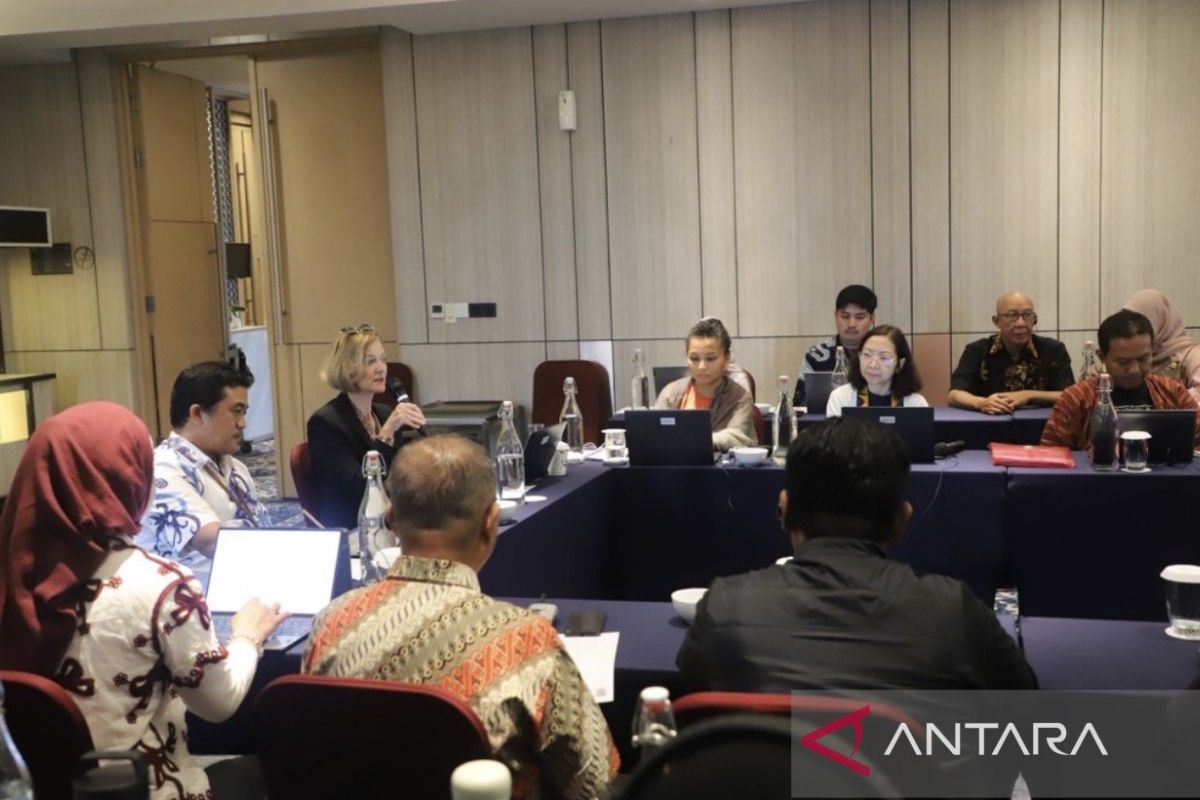
The East Kalimantan Provincial Government, together with the World Bank team, has begun drafting the final evaluation report for the East Kalimantan Project for Emission Reduction Results (EK-PERR). The Implementation Completion and Results Report (ICR) aims to document the achievements of sustainable forest governance in the region. Nanang, Head of the Natural Resources Division at the East Kalimantan Provincial Secretariat’s Economy Bureau, stated in Samarinda on Friday that the ICR is part of the project closure process. He explained that the report will evaluate the programme’s implementation comprehensively, from the planning stage to its completion, and will document various achievements, best practices, and challenges encountered during the programme. “We are continuously gathering input from all involved Regional Apparatus Organisations and agencies to compile the ICR as the official project closure report to the World Bank,” Nanang said during a meeting with World Bank Senior Natural Resource Specialist Franka Braun and provincial government representatives. He noted that East Kalimantan was selected as a pilot province because it contains approximately 6.5 million hectares of forest cover, making it one of the largest tropical forest landscapes in Indonesia with a strategic role in supporting national climate change mitigation targets. The implementation process saw the drafting of the Emission Reductions Program Document and the negotiation of the Emission Reductions Payment Agreement as crucial stages. These documents formed the basis for applying a results-based payment scheme for verified greenhouse gas emission reductions. The experience of implementing the Forest Carbon Partnership Facility Carbon Fund in East Kalimantan demonstrates that jurisdictional REDD+ implementation is not solely oriented towards carbon payment mechanisms.