
East Java Students Learn Directly from Veterans in 38 Regions
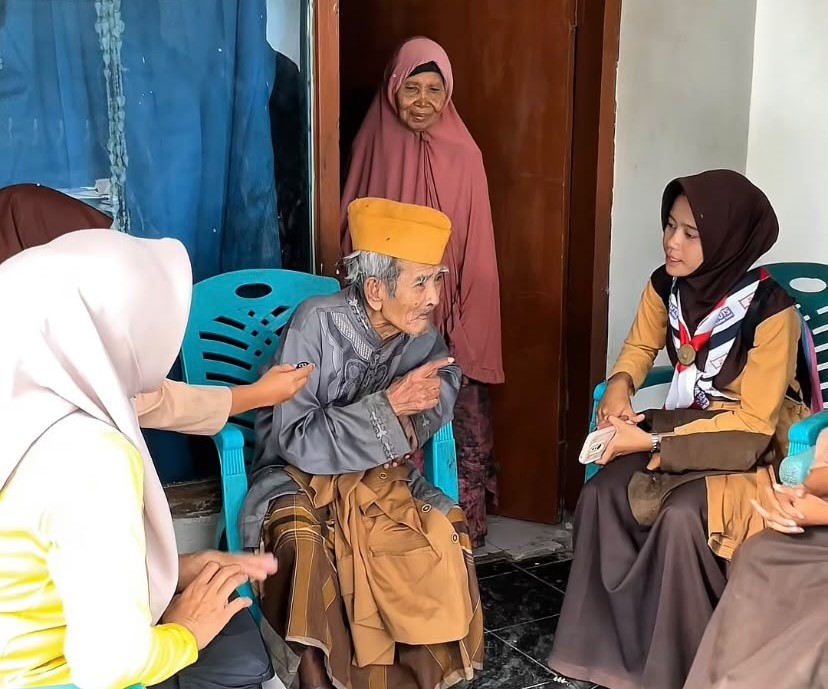
Hundreds of high school, vocational school, and special needs school students across 38 regencies and cities in East Java simultaneously visited the homes of veterans to hear first-hand accounts of their struggle and to draw moral lessons for the younger generation. The East Java Education Office initiated the innovative history-learning movement titled ‘Students Fetch History: 81 Years of Independent Indonesia’ to mark the 81st anniversary of the Republic of Indonesia’s independence.
“Together with their teachers, students visited the homes of veterans to hear first-hand accounts of the struggle and to draw moral lessons for the younger generation,” said Head of the East Java Education Office Aries Agung Paewai in Surabaya on Sunday (16/8).
According to Aries, the movement was deliberately designed so that students do not merely learn history through formal literature, but also interact directly with the actors and witnesses of history. “We want children to not only know independence from textbooks, ceremonies, or stories in the classroom. We want them to come directly, sit together with veterans and families of fighters, hear their stories, see their exemplary conduct, and understand that the independence felt today was born from extraordinary struggle and sacrifice,” said Aries on Saturday (15/8).
The concept of the movement is simple. Each school is directed to visit at least one veteran or independence fighter. In addition to fostering ties, the students also handed over gifts as a token of care and respect.
However, Aries stressed that the presentation of gifts was not the main objective. The most substantial aspect is to cultivate empathy and bring the younger generation face-to-face with the nation’s history. “The basic food packages, blankets, and gifts brought by students are not the main objective. The most important thing is to present respect, care, and sincere appreciation from today’s generation to the fighters,” he said.
Aries emphasised that the spirit of struggle needs to be translated according to the challenges of the modern era. Filling independence today is no longer done by taking up arms, but through achievements, education, social awareness, and real contributions to the nation. “We want to instil in students that filling independence now means studying seriously, achieving, maintaining unity, having social awareness, and making useful contributions to the country,” he said.
During each visit, the students documented the veterans’ messages of independence in the form of 1-2 minute videos and handwritten notes. “What makes this movement different is that each visit produces a documented message of independence from veterans for students in East Java,” Aries explained.
Aries assessed that the movement has the potential to become a model of character education unique to East Java because it combines historical literacy, social empathy, respect for fighters, and documentation of local history. “If books teach history, then veterans teach our children about the price of independence,” he said.
Positive responses and emotion were also evident from the veterans. According to Aries, many of them felt touched because the younger generation still showed concern for listening to the record of their struggle. “The veterans greatly appreciated the presence of the students and teachers. They were moved because there are still those who care about history directly,” he added.