
East Java Mangoes Pushed for Export to Japan, Targeting Premium Global Market
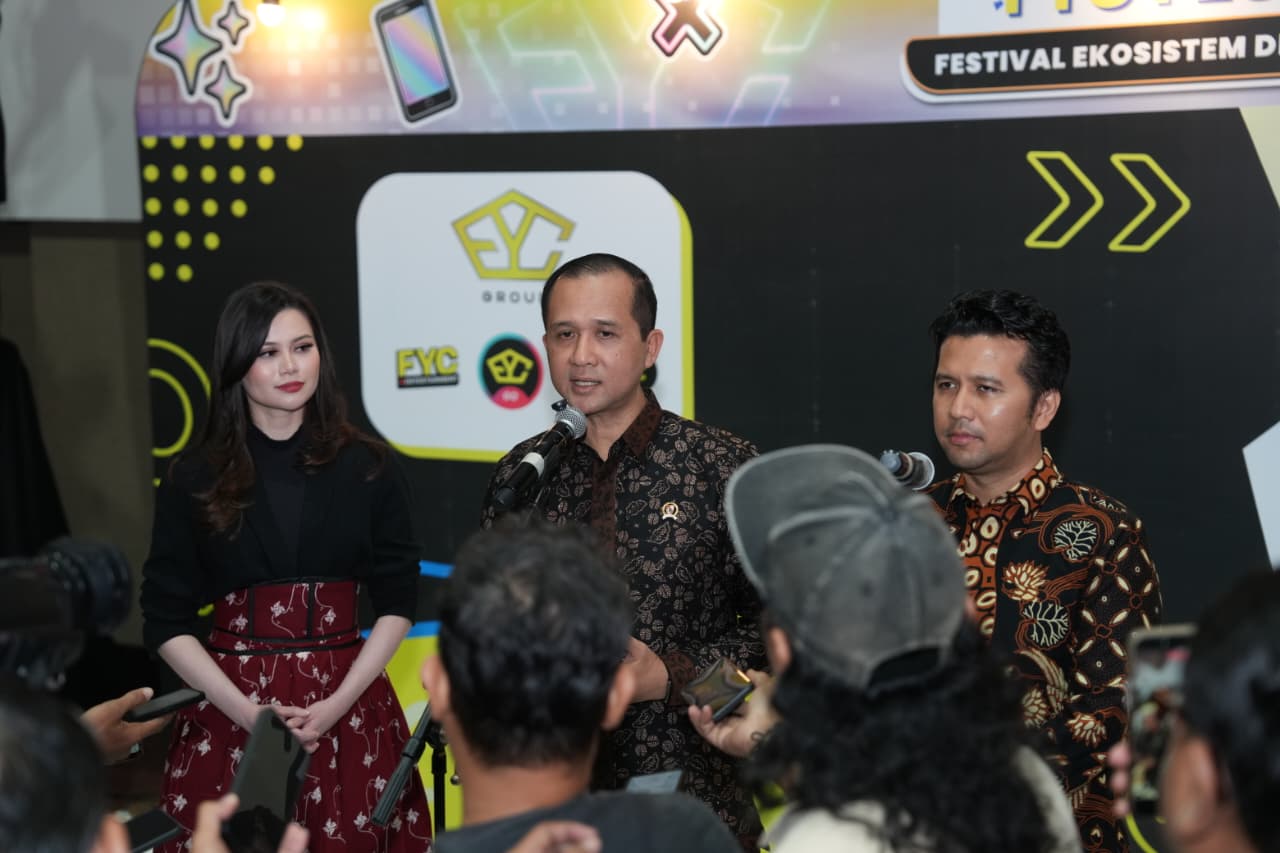
Minister of Transmigration M. Iftitah Sulaiman Suryanagara is targeting Japan as a new export market for mangoes from East Java. To achieve this, the Ministry of Transmigration, in collaboration with other government agencies, is preparing the development of commodity-based economic zones while addressing technical barriers that have previously blocked access to the Japanese market. According to Minister Iftitah, avocado mangoes from Pasuruan and arumanis mangoes from Probolinggo are of a quality that rivals, and even surpasses, mangoes from other countries, positioning them as potential leading horticultural commodities in the international market. “I have tasted mangoes from various countries, from Pakistan, Thailand, India, China, Mexico to Brazil. But in my opinion, none can beat the sweetness of East Java mangoes. That is why I have recently been sending East Java mangoes to the ambassadors of the United States, China, and Australia, as well as several other friendly nations. Their response has been very positive. They love mangoes from East Java,” the Minister stated during the FYC Fest digital economy ecosystem festival in Surabaya, East Java. He noted that Japan is a priority market due to its high demand for quality fruit. However, exports are currently hindered by technical requirements, particularly regarding fruit fly control. “One of the main challenges is the fruit fly issue. We are working with various parties to overcome this. It does require investment, but I am confident that once this barrier is resolved, the Japanese market will open up and Japanese consumers will enjoy Indonesian mangoes,” he said. To strengthen product competitiveness, the Ministry of Transmigration is implementing a new approach to area development. Each transmigration area will be developed based on its superior commodity to create a complete value chain, from cultivation and processing to market access and exports. “If an area excels in mangoes, we build a mango ecosystem. If it excels in durian, we build a durian ecosystem. The same goes for coconut and other commodities. Each area must be developed according to its potential,” the Minister explained. He added that this approach is part of a transformation of the transmigration programme, shifting its orientation from population relocation to the creation of new economic growth centres that generate employment and increase the added value of local commodities. “We want transmigration areas to become thriving economic zones based on local potential. The future of transmigration is not just about moving people, but about building productive areas that drive the community’s economy,” he asserted. Meanwhile, East Java Vice Governor Emil Elestianto Dardak welcomed the collaboration with the Ministry of Transmigration to strengthen the competitiveness of the region’s superior commodities. He noted that successfully bringing local products to the international market can only be achieved through synergy between the government, businesses, media, and digital creators. “If we want to create something big, we cannot work alone. There must be collaboration. The government, businesses, media, and digital creators must move together so that regional potential can be more widely recognised,” Emil said. He added that promotion through social media and digital content has become a vital instrument for expanding markets and building the image of Indonesia’s superior products globally. Through commodity-based area development and cross-sector collaboration, the Ministry of Transmigration hopes that more products from transmigration areas can penetrate export markets, increase added value, and become drivers of regional economic growth.