
East Java Halal Assurance Office Optimises Assistance for Halal Certificate Processing
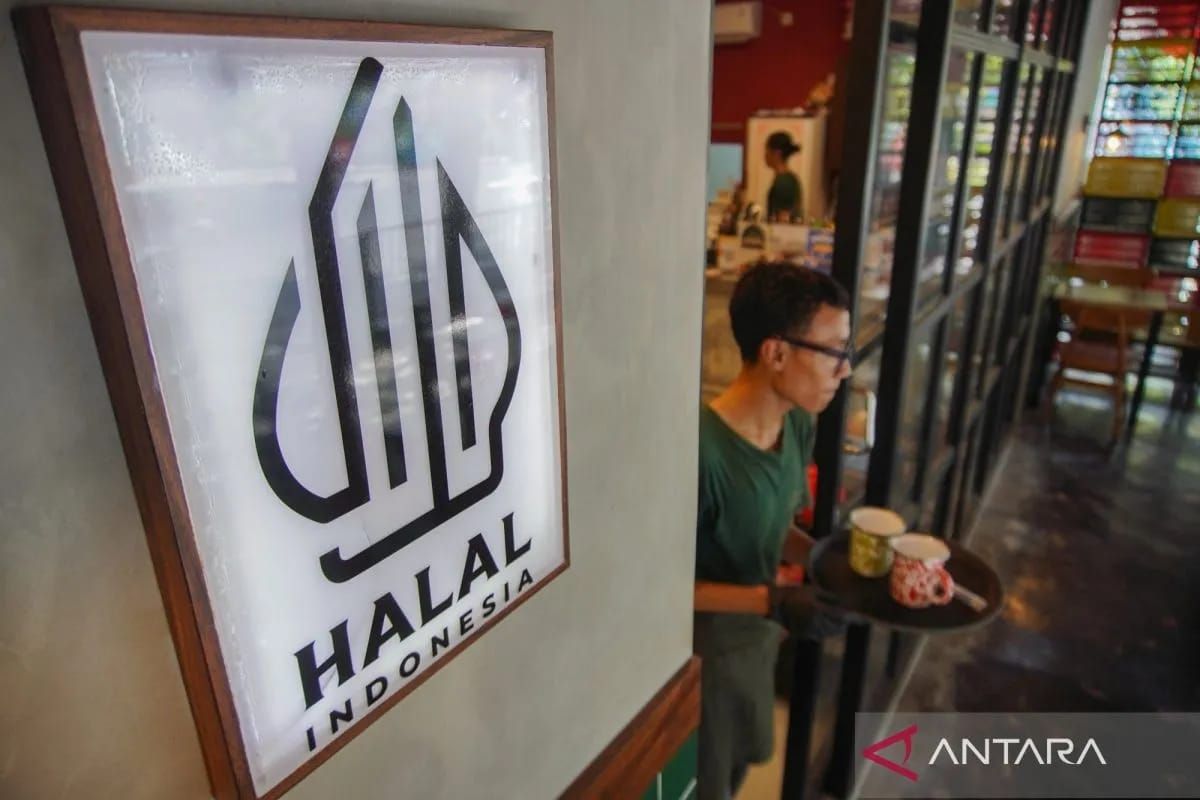
The East Java Province Halal Product Assurance Organising Office (Balai PJPH) is optimising its assistance programmes to simplify the halal certification process for local businesses ahead of the implementation of mandatory halal regulations in October 2026.
“We are preparing Halal Product Process Assistants (P3H) across all regencies and cities in East Java so that entrepreneurs can undergo certification correctly and properly, even though the process is currently entirely online,” said the Head of the East Java PJPH Office, M. Fauzi, via telephone from Malang on Monday.
In East Java, at least 18,000 P3H assistants have been deployed to guide business owners in fulfilling all administrative and procedural requirements to obtain halal certificates.
He explained that the issuance of halal certificates cannot be done arbitrarily as several criteria must be met, including raw materials, production processes, storage, packaging, distribution, and presentation.
“It must be halalan toyyiban, meaning it must be halal, safe, and pure,” he added.
As of September 2026, a total of 691,128 halal certificates have been issued in East Java to 536,589 business owners. Meanwhile, there are 1,871,873 halal-certified products across the province.
“Why are the numbers different? Because one certificate can cover multiple products, and one business owner can hold two certificates,” he noted.
Furthermore, the Halal Product Assurance Organising Agency (BPJPH) is providing free halal certification facilities for SMEs through the Free Halal Certification (SEHATI) programme in 2026, with a quota of over 1 million.
According to data from the bpjph.halal.go.id website, as of 28 September 2026, at 18:40 WIB, East Java was allocated a SEHATI quota of 175,324, of which 150,794 or 86 per cent had been utilised.
The office continues to strengthen synergy with the East Java Provincial Government and 38 local governments to conduct socialisation and education. This is part of an effort to increase awareness among business owners regarding the necessity of halal certification for their products, particularly through the SEHATI programme.
“The remaining quota returns to Jakarta to be part of the national quota, and it has now been exhausted,” he concluded.