
East Java Education Office issues gadget control regulations in schools
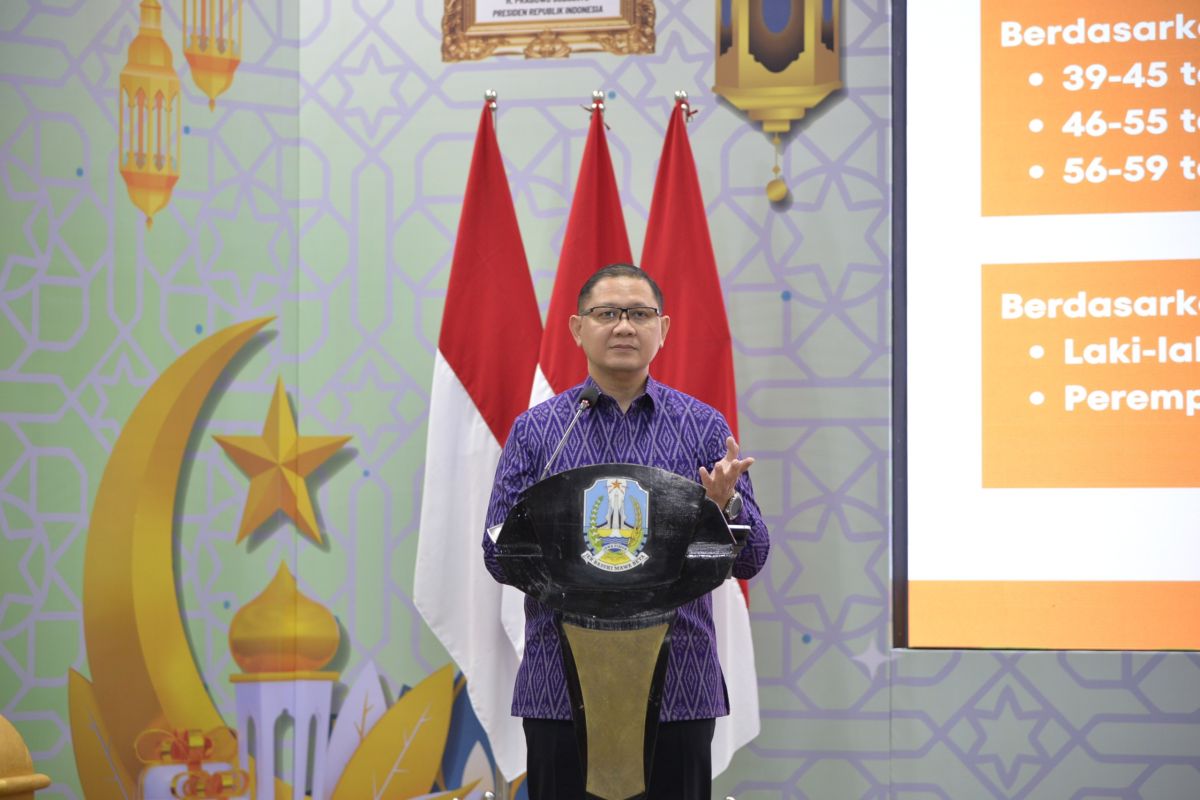
Surabaya - The East Java Provincial Education Office has issued regulations on controlling the use of gadgets for students and teachers in SMA, SMK, and SLB to ensure that learning takes place in a safe, healthy, and character-oriented manner. “We need to regulate the utilisation of gadgets to guarantee that the learning process runs safely, healthily, and with a focus on strengthening the character of students,” said the Head of the East Java Education Office (Dindik Jatim), Aries Agung Paewai, in Surabaya on Sunday. Aries stated that during teaching and learning activities (KBM), handphones must be in silent mode and stored in a place designated by the teacher, unless used under direct instructions from the subject teacher. The policy is a follow-up to the Joint Ministerial Decree (SKB) of four ministers, namely the Minister of Education, Higher Education, Science, and Technology (Mendiktisaintek), the Minister of Communication and Digital (Menkomdigi), the Minister of Family Development and Population Planning (Mendukbangga), and the Minister of Women’s Empowerment and Child Protection (Menteri PPPA). Additionally, the policy also refers to Minister of Communication and Digital Regulation Number 9 of 2026 as the implementation of Government Regulation Number 17 of 2025 on the Governance of Electronic Systems in Child Protection. “Use outside of those purposes is not permitted during learning hours,” said Aries. Digital devices are only permitted for planned learning purposes under teacher supervision, and must not be used freely during teaching and learning activities (KBM). “We also prohibit cyberbullying, spreading false information (hoaxes), and accessing content that contradicts educational norms and morality,” he said. Schools are also asked to prepare standard operating procedures (SOP) for gadget use according to the characteristics of students, strengthen non-digital learning, and involve parents or guardians in supervision. “Supervision and evaluation of the policy is carried out periodically by educational units,” he said. The implementation of the policy will be carried out in stages, with a trial in the first week of April 2026, then evaluated by each school before being fully implemented in Senior High Schools (SMA), Vocational High Schools (SMK), and Special Needs Schools (SLB). During break times, gadget use is permitted on a limited basis, with recommendations to prioritise direct social interactions and light physical activities to maintain a balance between digital and non-digital aspects.