
East Java Disaster Management Agency Prioritises Weather Modification from Bromo to Semeru
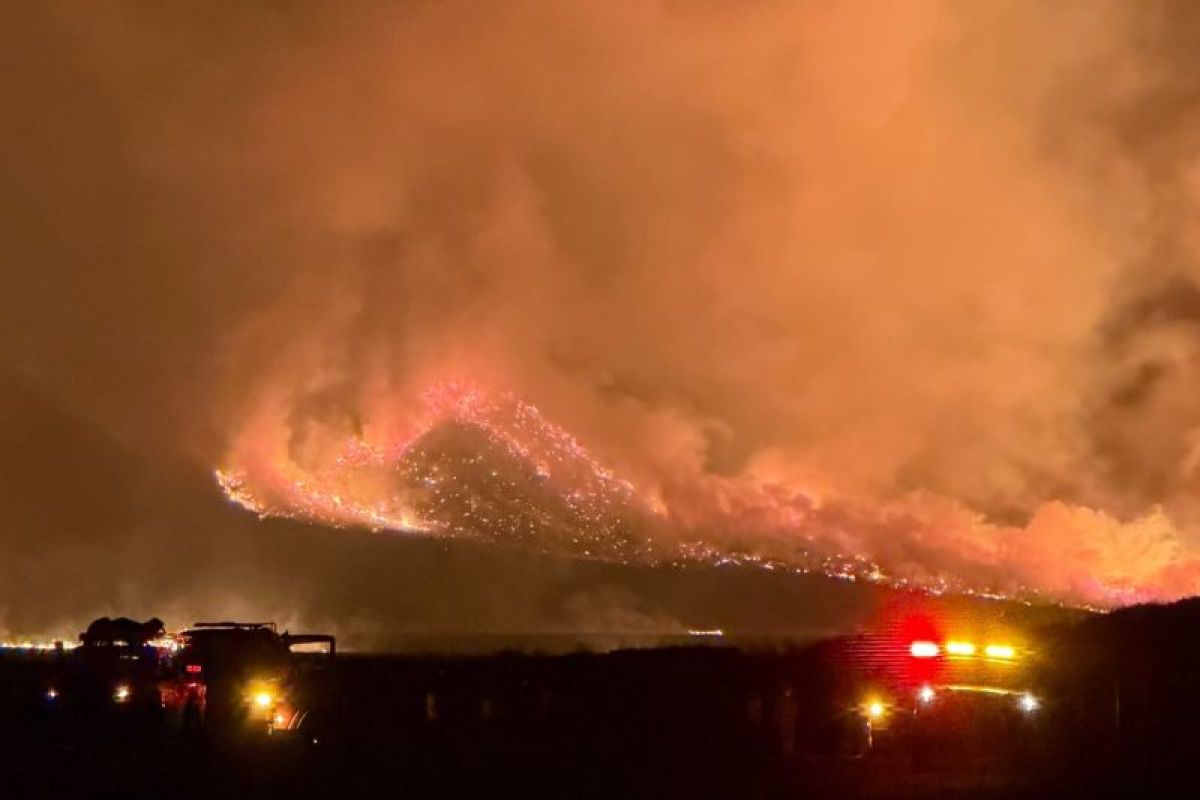
The East Java Provincial Disaster Management Agency (BPBD) has designated several mountainous areas with a high risk of forest and land fires (karhutla) as top priorities for the implementation of Weather Modification Operations (OMC). This strategic move is intended to suppress potential disasters in vulnerable regions.
The Head of East Java BPBD, Gatot Soeblar, explained that the primary focus of this operation covers mountainous areas that have historically shown high levels of vulnerability. “The priority areas are certainly those with high fire potential, including Bromo, Semeru, Arjuno, and as seen a few years ago in Mount Lawu. Therefore, these are our priorities,” said Gatot while inspecting fire management in Jemplang, Malang Regency, on Sunday (13/09/2026).
Gatot revealed that the plan for the OMC has been communicated intensively with the Meteorology, Climatology, and Geophysics Agency (BMKG). Based on weather data analysis, the period of October 2026 is considered the most appropriate time, with the best potential for cloud seeding.
“It can be carried out provided that the clouds are ready for maturation, which can be confirmed by the BMKG, ensuring the data is supported by them. We hope that next month the cloud potential will be favourable,” he added.
In addition to mitigating forest fires in mountainous regions, this weather modification is also projected to assist the agricultural sector. The OMC will be utilised to meet irrigation water supplies in the northern coastal areas of East Java, particularly in the Lamongan and Bojonegoro Regencies, which frequently face water availability challenges.
Nevertheless, Gatot emphasised that weather modification will not be implemented uniformly across all parts of East Java. Its execution will depend heavily on the specific needs of each individual region.
East Java BPBD is also considering local economic aspects, noting that some areas may not require weather intervention because they are entering harvest seasons for certain commodities that require dry conditions. “Implementation will be based on the level of need in each region,” he concluded.