
East Java BPBD: Semeru Eruption Normal, Not Yet Disrupting Residents' Activities
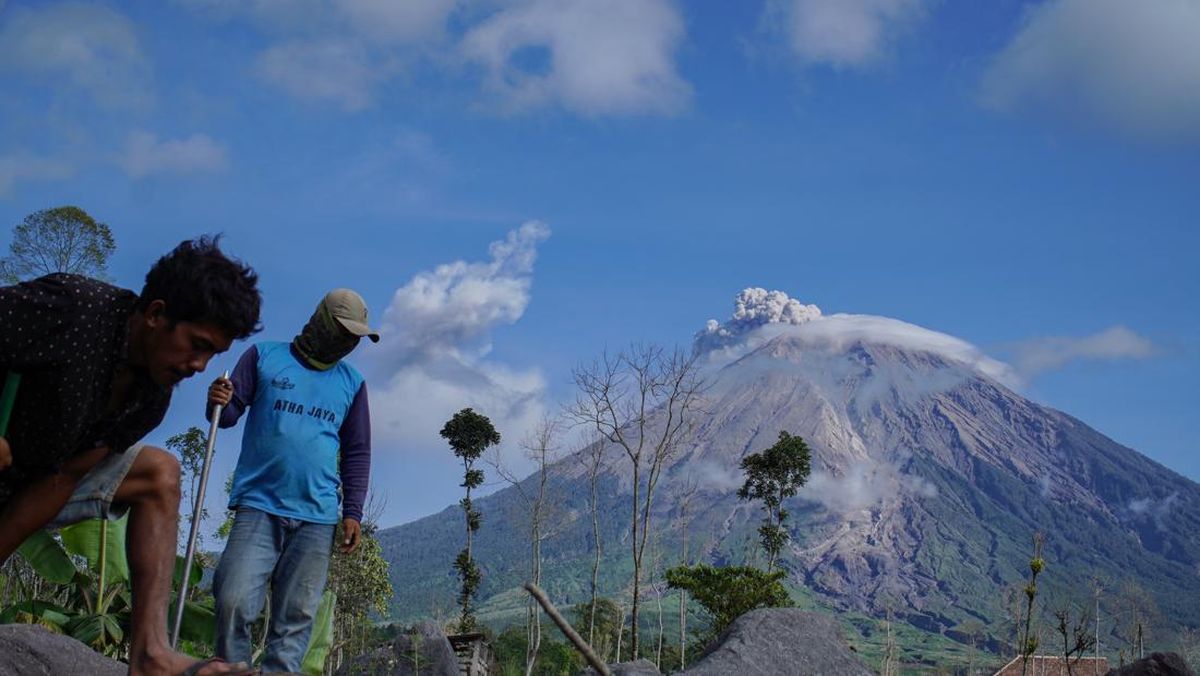
Mount Semeru, on the border of Lumajang and Malang regencies in East Java, has erupted again. Even so, the volcanic activity has so far not caused any significant disruption to the activities of surrounding communities.
The East Java Provincial Government has confirmed that Semeru’s current status remains at Level III, or Standby.
The Head of the East Java Regional Disaster Management Agency (BPBD), Gatot Soebroto, said that eruptions are a routine occurrence at Mount Semeru. Nevertheless, he stressed that the situation must remain closely monitored, as potential hazards such as lahars and eruptive material still exist.
“When Semeru erupts, that is something normal, because eruptions at Semeru happen at any time. But to this day there has been no significant disruption to people’s activities,” said Gatot when contacted on Monday (7/9).
Gatot urged the public to continue following the recommendations of the Centre for Volcanology and Geological Hazard Mitigation (PVMBG), particularly by avoiding areas considered vulnerable to volcanic activity.
“Semeru’s Standby status is still at Level 3, so as conveyed by PVMBG, there are already several instructions for the public to avoid areas considered at risk, whether from cold lahars that could be triggered or from the eruptions that could result from this volcanic activity,” he explained.
He reiterated that, so far, Semeru’s eruptions have not significantly disrupted residents’ activities. However, this does not mean the public can ignore the danger zones and safety recommendations issued by PVMBG.
Previously, PVMBG noted eruptive activity and seismicity at the volcano in its observation report on Semeru.
Semeru remains at Level III, or Standby, with the public asked to stay away from several high-risk areas, particularly the south-eastern sector along the Besuk Kobokan.