
East Jakarta Health Service highlights chronic disease risks from consuming plecostomus fish
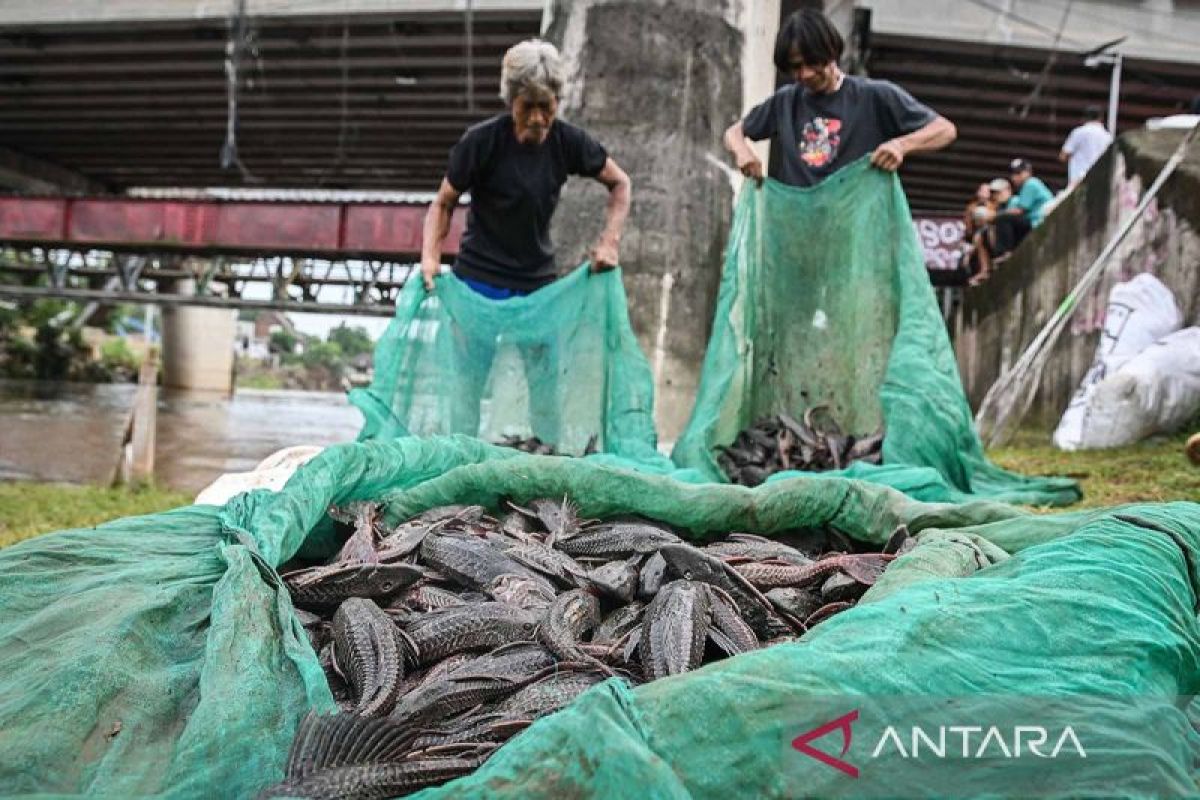
The East Jakarta Health Sub-District Office (Sudinkes Jaktim) has highlighted the threat of chronic diseases resulting from the consumption of plecostomus fish, suspected to contain harmful heavy metals. “The effects of consuming plecostomus fish are not always immediately visible. What needs to be wary of are the long-term impacts that can trigger chronic diseases,” said Head of Sudinkes East Jakarta, Herwin Meifendy, when met at the East Jakarta Health Sub-District Office on Wednesday. According to him, the impacts of consuming the fish are not always felt immediately but have the potential to emerge in the long term. Heavy metal contents such as mercury, lead (Pb), arsenic, and cadmium in plecostomus fish can accumulate in the human body. This accumulation risks triggering various serious diseases, especially if consumed continuously. Herwin explained that mercury can attack the nervous system, brain, and vital organs such as the kidneys and lungs. Meanwhile, lead is known to affect the central nervous system, which can cause a decline in intelligence and behavioural disorders. Arsenic has carcinogenic properties that can potentially cause cancer, while cadmium can damage the kidneys and respiratory system. Long-term exposure to these substances is also linked to the emergence of degenerative diseases. Although there is a notion that certain processing can reduce the risk, to date, no method has been found that can completely and safely eliminate heavy metal contents. Therefore, they urge the public to avoid consuming plecostomus fish and switch to other types of fish that are safer and more nutritious. On the other hand, the DKI Jakarta Provincial Government continues to intensify the capture of plecostomus fish in several waterways. This step is not only to maintain ecological balance but also as an effort to prevent health risks to the community. With increasing awareness of these dangers, Herwin urges the public to be more careful in selecting food ingredients, especially those that potentially contain harmful substances in the long term. Previously, the East Jakarta Administrative City Government (Pemkot Jaktim) together with residents had captured 1,831 kilograms or 1.83 tonnes of plecostomus fish from several points in waterways in 10 sub-districts as an effort to control the invasive fish. Data shows that Makasar Sub-District was the area with the largest capture contribution, namely 481.55 kilograms. Followed by Ciracas Sub-District with 280 kilograms, then Cakung Sub-District with 240.6 kilograms. Then in Cipayung Sub-District, community involvement was evident from the distribution of captures in eight villages. Cipayung Village recorded the highest capture of 56 kilograms, followed by Pondok Ranggon 40 kilograms, Setu 31 kilograms, Munjul 28.4 kilograms, Cilangkap 14.4 kilograms, Lubang Buaya 9.3 kilograms, Ceger 5.5 kilograms, and Bambu Apus 4.4 kilograms.
Source: jawawa.id (https://jawawa.id/newsitem/east-jakarta-health-service-highlights-chronic-disease-risks-from-consuming-plecostomus-fish-1776844285)
Originally published by Antara (Indonesian) (https://www.antaranews.com/berita/5537173/jaktim-soroti-ancaman-penyakit-kronis-akibat-konsumsi-ikan-sapu-sapu), translated from Indonesian