
East Jakarta City Government Urges Residents to Maintain Cleanliness During Eid al-Adha Sacrifice
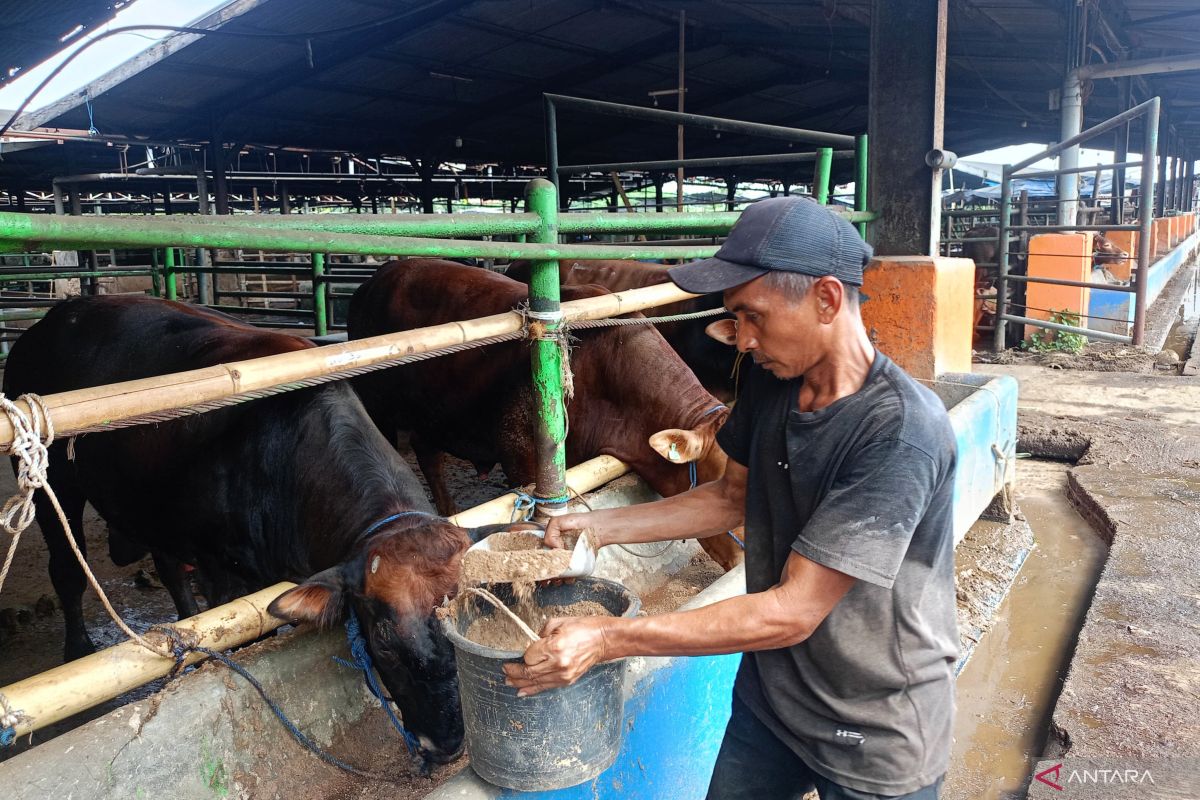
JAKARTA (ANTARA) - East Jakarta City Government (Pemkot Jaktim) has urged residents to maintain environmental cleanliness during the Eid al-Adha 1447 AH sacrifice.
“I invite all East Jakarta residents, especially regarding the maintenance, cleanliness, and orderliness of the areas where sacrifices take place,” said Assistant for Economic and Development Affairs of East Jakarta City, Fauzi, in Jakarta on Tuesday.
He added that besides ensuring the health of sacrificial animals, the government is also paying attention to cleanliness at slaughter sites to ensure the process is orderly and comfortable for nearby communities.
“Cleanliness must be maintained by all to prevent sacrificial waste from polluting the surrounding environment,” Fauzi said.
He requested residents not to dispose of animal waste, such as offal or internal organs, indiscriminately, especially into drains, which could cause pollution and foul odours.
“For example, the waste, such as internal parts of the animal, should not be dumped haphazardly or into drains, but placed in a specific location for burial,” Fauzi explained.
He noted that slaughter sites must be restored to cleanliness after the activity.
“What matters is not disturbing the surrounding community. This must be maintained and returned to a clean state,” Fauzi said.
Furthermore, he assessed that East Jakarta residents’ awareness of maintaining cleanliness during Eid al-Adha has improved based on last year’s evaluation.
“The evaluation from last year went well. Hopefully, this achievement can be maintained,” Fauzi added.
Meanwhile, East Jakarta City Government has deployed 177 health inspectors for livestock checks ahead of this year’s Eid al-Adha, comprising veterinarians, animal health examiners, and other health personnel from Bogor Agricultural Institute (IPB).
These officers are spread across 10 districts to inspect sacrificial animals prior to slaughter.
The checks aim to ensure that the sacrificed animals meet health standards and are safe for public consumption.