
East Jakarta City Government Tightens Food Safety Monitoring in Traditional Markets
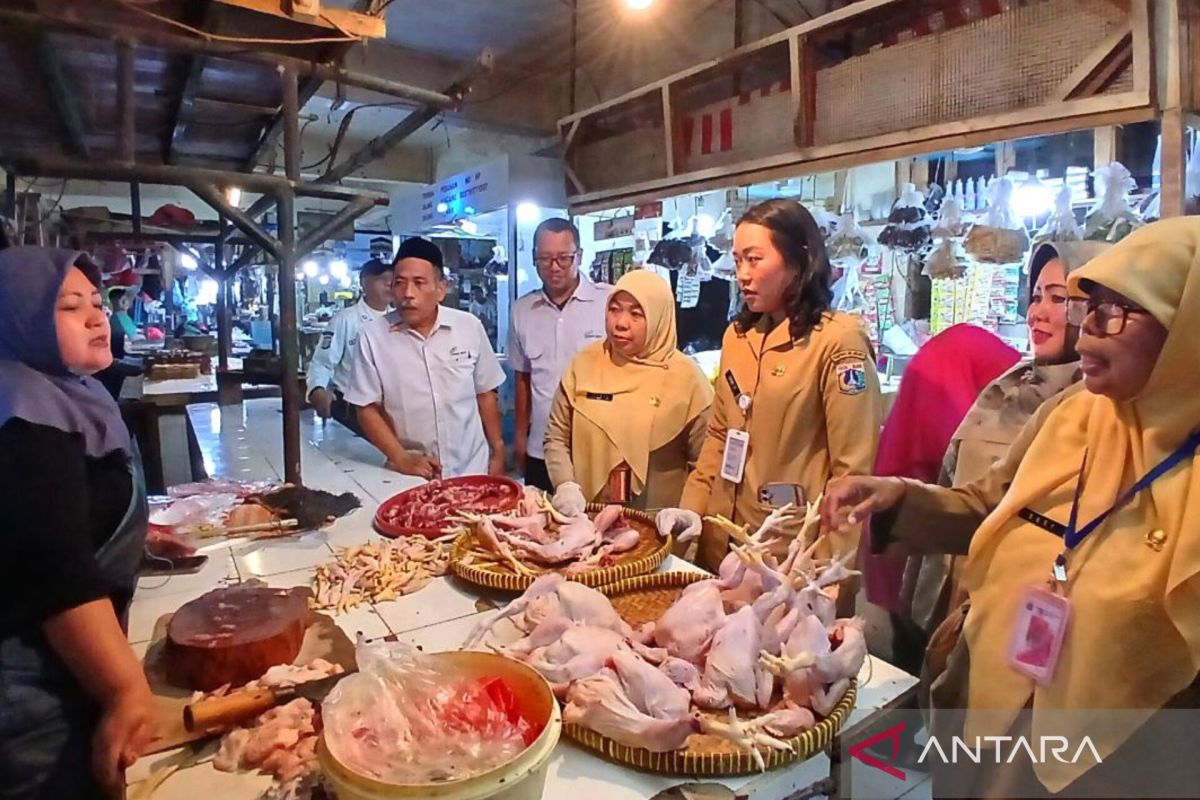
The East Jakarta City Government, through its Food Security, Marine and Agriculture Sub-agency (KPKP), is tightening integrated food safety monitoring in traditional markets across the region. “Food safety monitoring is routinely carried out, targeting traditional markets. We do this to ensure that products circulating in the markets meet food safety standards,” said Head of the East Jakarta KPKP Sub-agency Taufik Yulianto on Wednesday. On Tuesday (21/7), officials conducted inspections at five traditional markets: Pasar Klender SS, Pasar Sawah Barat, Pasar Pondok Bambu, Pasar Perumnas Klender, and Pasar Ciplak. “We deployed around 45 joint personnel to anticipate the circulation of food products containing hazardous chemicals that could potentially endanger public health,” Taufik stated. He noted that 49 food samples were taken, comprising 39 agricultural product samples and 10 livestock product samples. Based on the monitoring results, all markets had food that was 100 percent safe from hazardous substances. At Pasar Klender SS, officers examined 10 samples—eight agricultural and two livestock—with all results negative. Similar results were obtained at Pasar Sawah Barat and Pasar Pondok Bambu, where 10 samples each were examined, consisting of eight agricultural and two livestock products. Meanwhile, at Pasar Perumnas Klender, officers took nine samples, including seven agricultural and two livestock products. At Pasar Ciplak, 10 samples were examined, comprising eight agricultural and two livestock products. “All samples from the five markets were declared 100 percent negative for hazardous chemical content,” Taufik said. He emphasised that regular monitoring is necessary to ensure food products available to the public meet safety aspects and are fit for consumption. This activity also aims to increase public trust in the quality of food sold in traditional markets. “This food monitoring is also an effort to provide a sense of security to the public when purchasing food supplies in traditional markets,” Taufik concluded.