
Earth Microbes Potentially Able to Survive at the Moon's South Pole
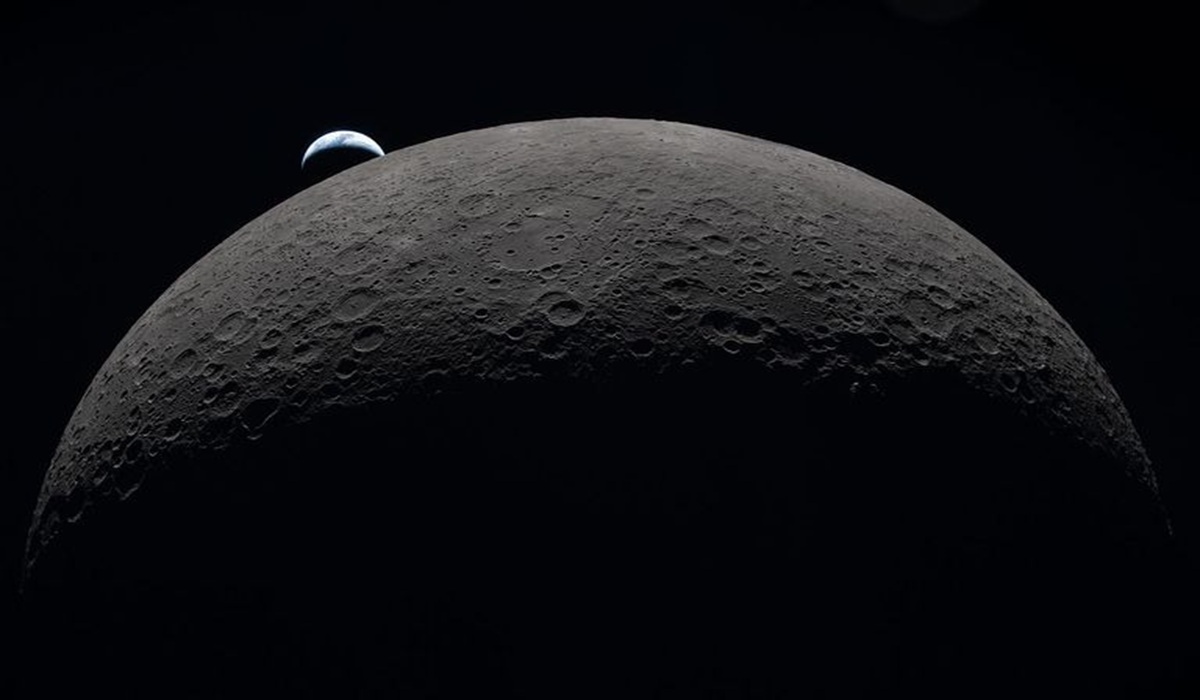
Outer space has long been known as an extreme environment impossible for humans to inhabit without special protection. Astronauts require sophisticated spacesuits to supply oxygen and shield the body from radiation and extreme temperatures. However, recent research shows that resilience is not solely the domain of humans with their technology, but also of microscopic organisms from Earth.
According to NASA, a number of microbes potentially carried by humans on space missions are estimated to be capable of surviving in certain shaded areas around the Moon’s South Pole. This finding results from mapping lunar environmental conditions and comparing them with the survival thresholds of various microorganisms.
The presence of microbes on space exploration missions is nearly impossible to avoid entirely. These microorganisms can be transferred via astronauts’ bodies, clothing fibres, and equipment within habitats. Therefore, understanding how these microbes interact with the lunar environment has become an important priority for future missions.
One organism of particular focus is Aspergillus niger. This fungus, commonly found in everyday life, is known for its extraordinary resilience to harsh environmental conditions. In addition to this fungus, researchers also tested several other species of bacteria and fungi.
Conditions at the Moon’s South Pole have unique characteristics. The surface topography, consisting of crater ridges, mountains, and deep depressions, creates areas that are permanently shielded from direct sunlight. These shaded regions are relatively more protected from lethal radiation.
Using elevation and temperature data from the Lunar Reconnaissance Orbiter (LRO), researchers mapped locations referred to as survivable niches. These are environments that theoretically allow microbes to remain alive. The scale of these areas varies, ranging from broad expanses to areas as small as an astronaut’s footprint on the lunar surface.
It is important to note that the ability to ‘survive’ in this context does not mean the microbes can actively grow or reproduce. Researchers categorised a microbe as having survived if the organism remained alive for at least one day under the extreme conditions tested.
To date, there is no evidence that the Moon provides the nutrients or conditions necessary for the growth and reproduction of microorganisms. Most microbes are expected to remain in a dormant state.
Scientists believe the Moon could serve as a natural laboratory for studying the limits of organism survival in environments that are difficult to replicate on Earth. Characterising the lunar environment before human activity becomes more intensive is crucial.
This step aims to enable future scientists to distinguish environmental changes caused by human contamination from the Moon’s actual natural conditions. Responsible exploration is key to maintaining scientific integrity on Earth’s natural satellite.