
Early Diagnosis Opens Hope for SMA Patients
Spinal Muscular Atrophy (SMA) is a rare genetic disorder characterised by progressive muscle weakness due to damage to motor nerve cells. Globally, the disease is estimated to affect around 1 in every 10,000 live births and is one of the leading causes of infant mortality linked to genetic factors. In Indonesia, national epidemiological data on SMA remains inadequate. However, several studies show that patients and families still face various obstacles, ranging from delayed diagnosis and limited access to genetic testing to the need for better health services and therapeutic options.
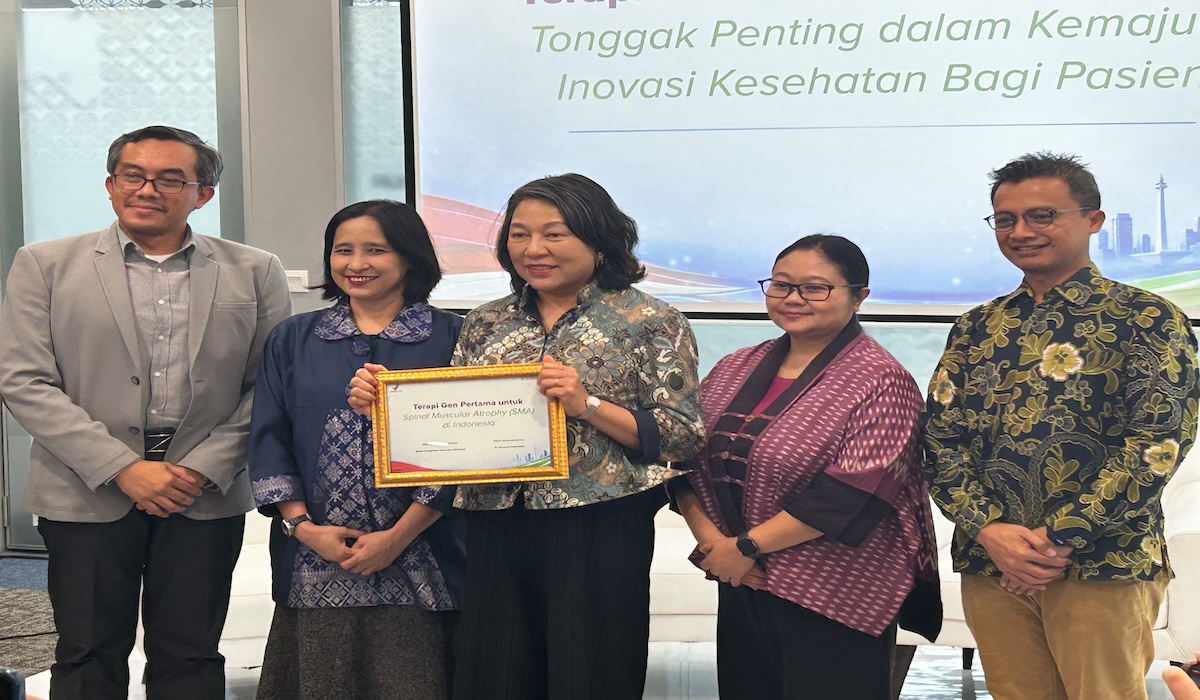
Against this backdrop, and to commemorate SMA Awareness Month, Novartis Indonesia held a forum involving regulators, doctors, academics, and patient community representatives. The forum, titled ‘Driving New Hope for SMA Patients in Indonesia: From Disease Awareness to Advances in Therapeutic Innovation’, discussed efforts to broaden public understanding of SMA. During the event, the Food and Drug Monitoring Agency (BPOM) symbolically handed over the marketing authorisation for the first gene therapy for SMA in Indonesia. This step marks an important achievement in the development of rare disease management in the country.
President Director of Novartis Indonesia, Libby Hsu, said the company, which has operated in Indonesia for more than five decades, continues to support the availability of innovative medicines, including for SMA patients. ‘We hope today’s event can be a momentum for us to pay more attention to SMA. We believe that no patient should be left behind just because their disease is classified as rare. Collaboration from all parties, including the government, health workers, communities, and industry, is needed to ensure optimal availability and access to treatment for SMA patients,’ said Libby.
From academia, Gunadi, Head of the Indonesian Society of Human Genetics (InaSHG), Coordinator of the Rare Disease Hub at Dr Sardjito General Hospital under the Ministry of Health, and Professor at Gadjah Mada University, underscored the importance of understanding the genetic factors associated with SMA. ‘Parents can carry the genetic change that causes SMA without showing symptoms. Therefore, understanding the genetic aspects of SMA is important, not only to raise awareness of the disease but also to support proper diagnosis and genetic counselling,’ he said.
Head of BPOM, Taruna Ikrar, also highlighted the importance of innovation in managing rare diseases. ‘The approval of this gene therapy is one of BPOM’s steps in supporting access to safe, efficacious, and quality therapeutic innovations for the Indonesian people,’ he explained. Data from the Pharmaceutical Research and Manufacturers of America (PhRMA) shows that only about 9% of new drugs available globally have entered the Indonesian market. Meanwhile, only 2% of them are covered by the national health insurance programme. Taruna said BPOM continues to strengthen Indonesia’s regulatory capabilities. One achievement is the agency’s success in obtaining WHO Listed Authority (WLA) status from the World Health Organization (WHO).
The forum discussion then focused on several key issues in managing rare diseases in Indonesia. Topics covered included the importance of recognising SMA early, patient experiences, and the development of available therapeutic options. Damayanti Rusli Sjarif, Head of the Integrated Rare Disease Service Centre at Dr Cipto Mangunkusumo National General Hospital, explained that SMA is a rare neurological disease with broad impacts. The disease burden is not only related to health conditions but also affects the psychological, social, and economic aspects of patients and their families. According to her, managing rare diseases requires an interconnected health system. This includes increasing public knowledge, developing health worker competencies, effective referral mechanisms, multidisciplinary services, and the availability of an integrated and comprehensive patient database.
‘The entry of therapeutic innovations into Indonesia must be balanced with strengthening an integrated medical referral system from primary care facilities to rare disease referral centres, as well as the existence of a national policy on the management and financing of rare diseases, including SMA,’ she added.
From a clinical perspective, Amanda Soebadi, Head of the Neurology Coordination Working Unit of the Indonesian Paediatric Society (IDAI), reminded that signs of SMA should not be recognised too late. Some symptoms to watch for include weakening muscles, delayed motor development, a baby that appears very limp or floppy, and difficulty swallowing or breathing. These symptoms can be clues for further examination and referral. ‘In SMA, time is extremely precious. Damaged motor nerve cells cannot regenerate. Therefore, early symptoms such as a floppy baby, delayed motor development, or swallowing and breathing difficulties must not be ignored. The earlier the diagnosis is made, the greater the chance of preserving the patient’s motor function,’ she explained.
Advances in scientific knowledge about SMA have also brought changes in its management. If previously care relied more on supportive therapy, there are now approaches aimed at altering the course of the disease. These changes further strengthen the case for diagnosis and intervention as early as possible, with support from all stakeholders.
Source: jawawa.id (https://jawawa.id/newsitem/early-diagnosis-opens-hope-for-sma-patients-1787820638)
Originally published by Media Indonesia (https://mediaindonesia.com/kesehatan/926566/diagnosis-dini-buka-harapan-pasien-sma), translated from Indonesian