
Early Detection Key to Preventing Diabetes Complications, Doctor Says
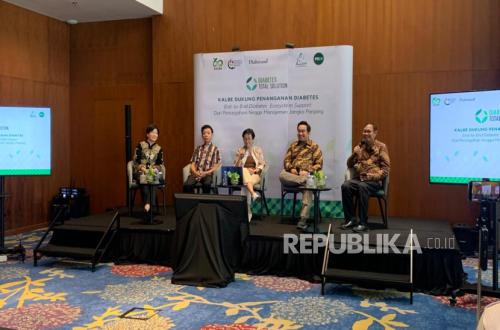
Many people only discover they have diabetes after the disease has caused complications, even though it can be controlled if recognised early and managed consistently. Chairperson of the Indonesian Diabetes Educators Association (PEDI), Dr. Ida Ayu Made Kshanti, Sp.PD-KEMD, said low health literacy remains a key reason people delay visiting health facilities. “Why do our people come to health facilities when it is already too late? Because our health literacy is not yet evenly distributed. Many people also still delay or even deny it despite having risk factors,” Dr. Ida Ayu said during a media discussion titled ‘End-to-End Diabetes Ecosystem Support: From Prevention to Long-Term Management’ held by PT Kalbe Farma Tbk in Jakarta on Monday.
According to her, some people feel fine because they exercise regularly or do not have severe complaints. However, a healthy lifestyle alone does not always eliminate the risk of diabetes, especially if there is a family history of the disease or other risk factors. Dr. Ida Ayu reminded the public not to stop merely at blood sugar test results. After knowing the numbers, a person also needs to evaluate other risk factors, such as family history of diabetes, body weight, lifestyle, and comorbid health conditions. “When you finish checking your blood sugar and get the result, do not stop there. Understand whether the number is still normal or needs further attention. Also look at the risk factors, including family history,” she said.
She explained that diabetes symptoms are not always the same for everyone. Some experience clear complaints, but others only feel mild changes that are often ignored. One symptom to watch for is excessive thirst accompanied by frequent urination, especially at night. This condition occurs because high blood sugar levels make the kidneys work harder, causing the body to lose a lot of fluid. “If someone frequently urinates at night due to high blood sugar, that is already a warning sign,” Dr. Ida Ayu said. Another fairly typical symptom is constant hunger despite having eaten, yet weight actually decreases. Additionally, sufferers may experience unexplained fatigue. “Do not keep looking for excuses or consider it normal. If the body gives signals that are different from usual, especially if you have risk factors, immediately find out the cause,” she said.
According to Dr. Ida Ayu, managing diabetes is not enough with just medication or health technology. Continuous education is the foundation for patients to understand their disease and remain compliant with therapy and lifestyle changes. “The success of diabetes management is not solely determined by medication. Patients need to understand their disease to be able to carry out medical management consistently. Continuous education helps improve therapy adherence while preventing complications,” she said. Based on data from the International Diabetes Federation (IDF), Indonesia ranks fifth in the world with more than 20 million people with diabetes. Meanwhile, the 2023 Indonesian Health Survey (SKI) shows the prevalence of diabetes reached 11.7 percent among the population aged 15 years and above. However, adherence to treatment and routine check-ups remains relatively low, especially among the productive age group. Dr. Ida Ayu emphasised that early detection, education, and long-term assistance are key for people with diabetes to control their disease and avoid complications such as heart disease, kidney disorders, and nerve damage.
During the Media Discussion, Pharma Director of PT Kalbe Farma Tbk, Dr. Selvinna, M.Biomed., said diabetes is not a disease that can be managed with short-term therapy. People with diabetes need assistance from understanding risk factors, undergoing early detection, starting therapy, to managing the disease in the long term. “We believe no person with diabetes should go through their disease journey alone. At the same time, successful diabetes management also requires patient compliance in carrying out medical management as recommended by health professionals,” she added. This approach is also relevant in daily clinical practice. Chairperson of the West Jakarta Branch of PERSADIA, Dr. Marshell Tendean, Sp.PD, Subsp. E.M.D., FINASIM, explained that the biggest challenge often arises after patients receive a diabetes diagnosis. Many patients face difficulties maintaining therapy adherence and long-term lifestyle changes. This condition increases the risk of complications if not followed by continuous assistance. “In daily practice, we see many patients come when complications have already started to appear. This condition often occurs because diabetes is detected late or therapy is not carried out consistently. In fact, adherence to medical management is the key to controlling blood sugar levels and preventing complications.”