
E20 Becomes New Strategy, Ethanol Blend to Reduce Fuel Oil Imports
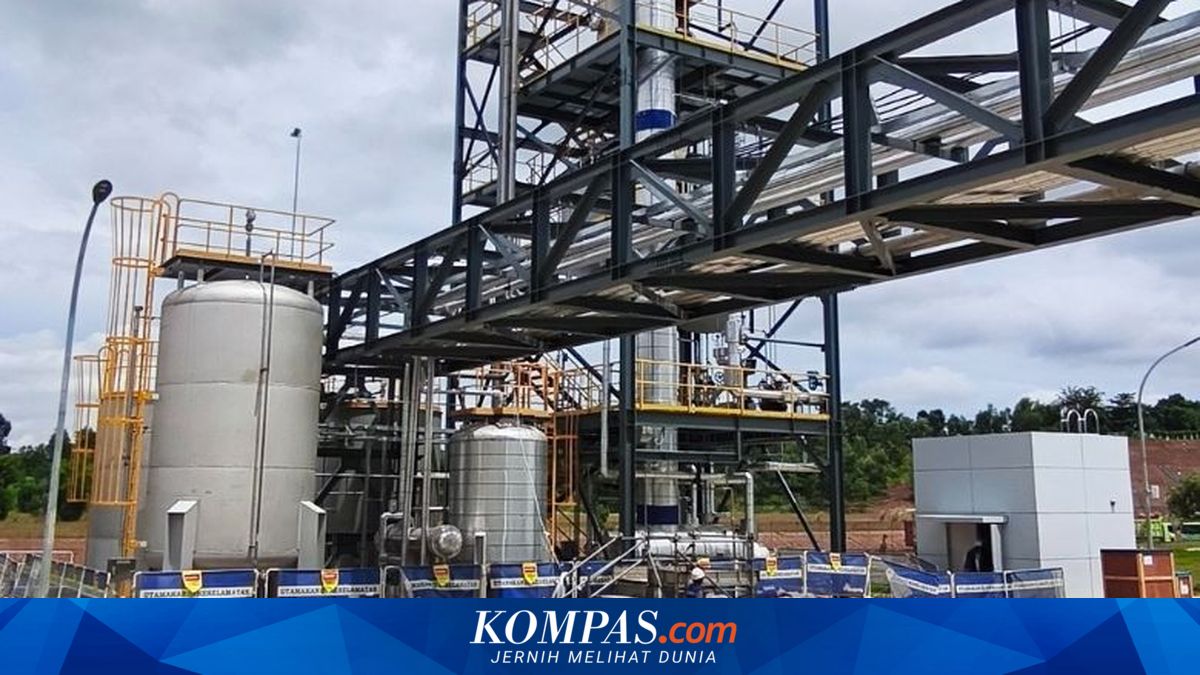
JAKARTA, KOMPAS.com — The government is directing energy policy towards the development of plant-based fuels using ethanol through the planned mandatory E20, which involves mixing 20% ethanol into petrol. This step is positioned as a strategy to reduce dependence on oil fuel imports while opening new economic opportunities from the agricultural sector. Energy and Mineral Resources Minister Bahlil Lahadalia stated that the E20 idea emerged from efforts to find alternatives to fossil fuels, emulating the success of biodiesel programmes based on palm oil. According to him, if diesel can be mixed with plant-based materials like crude palm oil (CPO), then petrol can have a similar substitute through ethanol. “That’s when the idea came to me. Late at night, I sat thinking, if we can use CPO for diesel, why not use other plant-based materials for petrol?” he said. Bahlil emphasised that the government will promote the implementation of mandatory E20 as an initial stage. E20 is a mixture of 20% ethanol and 80% petrol. This scheme is considered more realistic as an initial phase before moving to higher blending levels. “This is roughly our way of bringing in and moving towards our energy resilience,” Bahlil said. In addition to reducing energy imports, this policy is also aimed at expanding the domestic economic base through the utilisation of agricultural commodities such as sugarcane, corn, and cassava. Data from the Ministry of Energy and Mineral Resources shows that ethanol blending in petrol has been implemented in various countries with varying blending levels. Brazil is one of the countries with the highest adoption rate, with E27 blends and even E100 for certain vehicles. Ethanol in Brazil is sugarcane-based. The United States (US) implements E10 and E85, both corn-based, while Argentina is around E12, made from a mixture of petrol, corn, and sugarcane. European countries like Germany and France also adopt E10 as the standard ethanol blend in petrol. Germany mixes petrol with corn- and wheat-based ethanol, while France produces ethanol from sugar beet and corn. These variations in blending levels demonstrate that ethanol has become part of energy policy in various countries, adjusted to each nation’s economic conditions, technology, and raw material availability. In designing the E20 policy, the government is studying the experiences of other countries, particularly Brazil, which is considered successful in developing ethanol as part of the national energy system.