
E10 project has potential to reduce fuel imports through renewable energy
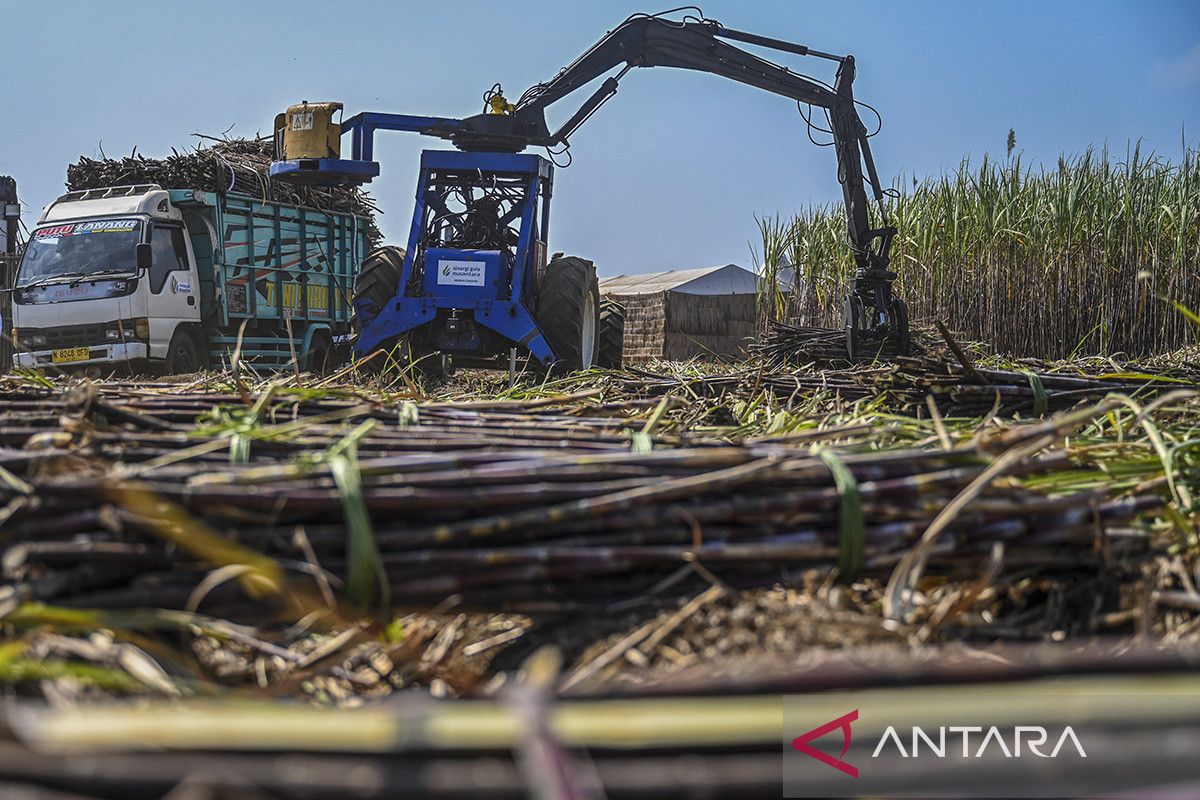
Jakarta (ANTARA) - Energy Shift Institute Managing Director Putra Adhiguna stated that the government’s plan to implement a 10% bioethanol blended petrol (E10) could potentially contribute to reducing fuel oil (BBM) imports through the utilisation of renewable energy from domestic raw materials. He noted that the use of bioethanol can reduce fossil-based petrol consumption by up to 10%, but this must be accompanied by the acceleration of battery-based electric vehicle (KBLBB) adoption and government efforts to encourage public transport use. “If the implementation of bioethanol only replaces around 5–10% of petrol consumption, while the growth of fossil fuel vehicles continues without being balanced by the acceleration of electric vehicle adoption or public transport, then 90–95% of fuel demand will still depend on imports,” Putra told ANTARA in Jakarta on Sunday. He said that although it will not completely eliminate the need for fuel imports, this policy is an important step in national energy diversification. The greater the utilisation of domestically produced bioethanol, the greater Indonesia’s opportunity to reduce dependence on foreign energy supplies and improve long-term energy security. Currently, molasses and cassava are the primary choices for bioethanol feedstock, making regions with existing production bases such as East Java and Lampung suitable priorities for development. “On the other hand, the government needs to be cautious if considering expansion into areas like Papua, given the risk of deforestation from opening new land,” he suggested. Nonetheless, the success of the E10 programme requires support from various aspects. He assessed that the government needs to gradually increase national bioethanol production capacity from around 70,000 kilolitres to meet a target of 1.5 million kilolitres to satisfy domestic demand. In addition to ensuring raw material supply, Putra said the government must ensure investment feasibility, anticipate bioethanol price fluctuations, and prepare a clear financing scheme if production costs are higher than petrol. “Transparency in the decision-making process must be a priority. Furthermore, the public needs to be educated that bioethanol-blended petrol has a lower energy content, so fuel consumption may be slightly more wasteful,” he said. He also assessed that education from the government and Pertamina to the public regarding the characteristics of bioethanol-blended petrol, along with competitive pricing, are important factors in encouraging market acceptance.