
E-commerce Platforms Barred from Sudden Commission Hikes, Here’s a Preview of the New Rules
Jakarta, CNBC Indonesia – The latest Regulation of the Minister for Micro, Small and Medium Enterprises (UMKM) will regulate the existence of contracts between e-commerce platforms and sellers. The rule ensures marketplaces do not arbitrarily raise prices on their platforms.
“For example, I am a micro-entrepreneur; I have already prepared a cashflow plan for one year. What are my post-production costs, overheads, and so on. For a year. If suddenly, before the year is up, prices rise. This would disrupt the cashflow of fellow sellers,” said UMKM Minister Maman Abdurrahman when asked at the DPR RI complex, Monday (18/5/2026).
He explained that the short-term contract is made for one year. The contract contains predetermined tariffs and cannot be increased during that period.
Cost increases or revisions can be made, provided the marketplace has informed of the information three months before the policy takes effect.
In doing so, micro and small entrepreneurs have a chance to prepare themselves when one cost component on the platform increases.
“So that our brothers and sisters, micro and small entrepreneurs, have a chance to prepare themselves. Don’t suddenly raise it. That’s unfortunate,” said Maman.
Additionally, the Regulation also governs cost components and incentives for UMKM. For the final rule, incentives are provided to those in the SAPA UMKM system.
It is not yet known when the rule named Permen Perlindungan Peningkatan Daya Saing will be issued. Maman only said the rule would take effect immediately, with integration with SAPA UMKM to be carried out within a maximum of six months.
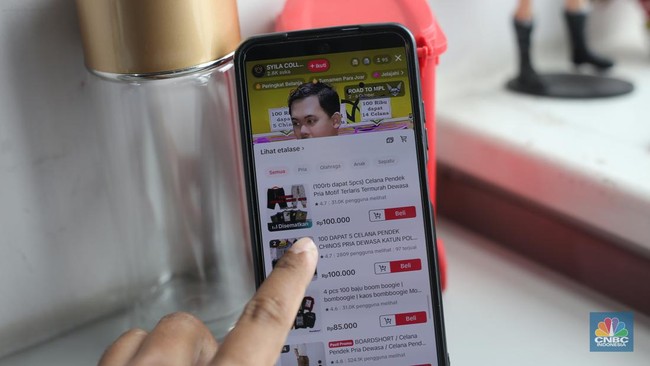
In recent days, there has been talk that e-commerce would raise its service costs. TikTok Shop has also done so as of Monday (18/5/2026).
In the so-called ‘Dynamic Commission Fee’ within the commission, the increase occurred at the cap per product transaction. While the percentage did not change at 4%, the cap rose to Rp 650 thousand per product unit from the previous Rp 40 thousand per product.
TikTok Shop also implemented a percentage tariff increase across product categories. The largest rise occurred in the beauty and personal care category and for maternity and baby products, rising to 7% from 4%.