
E. coli Bacteria Detected in Gili Trawangan Waters
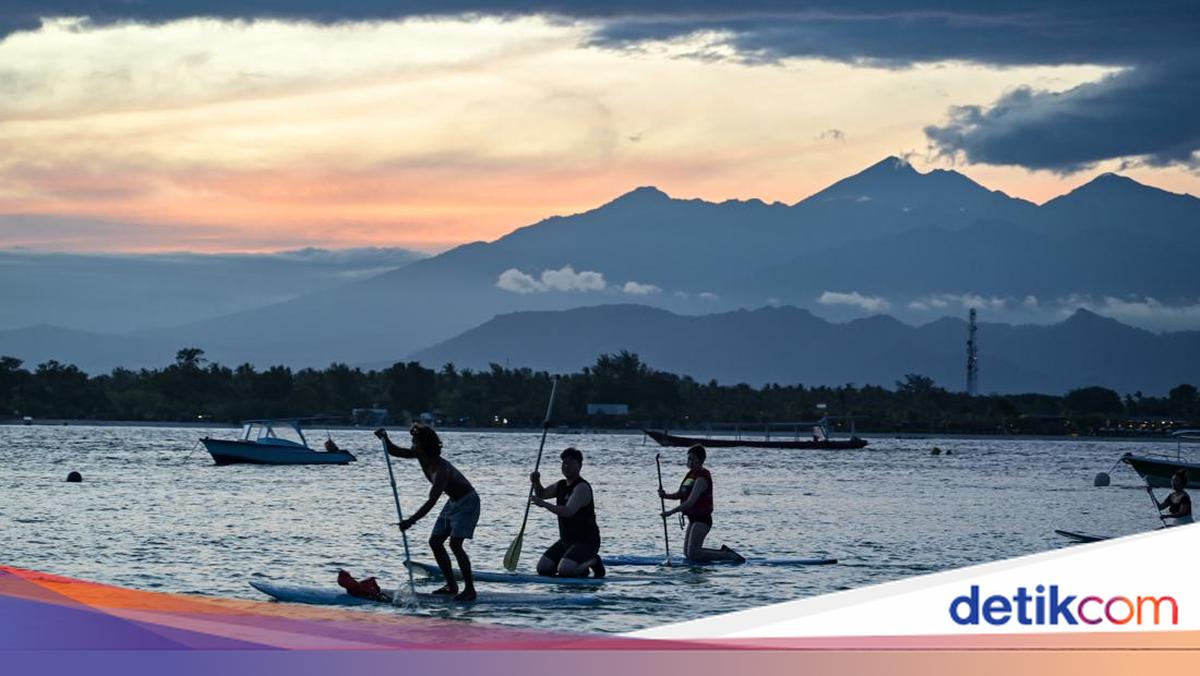
Escherichia coli (E. coli) bacteria have been discovered in the marine waters of Gili Trawangan, West Nusa Tenggara (NTB). This finding has drawn significant attention as it emerges amidst marine pollution in Gili Trawasting that is nearing ‘red zone’ status.
The Director General of Marine Management at the Ministry of Marine Affairs and Fisheries (KKP), A. Koswara, stated that Gili Trawangan, as a conservation area, is facing high pressure due to tourism activities. “Gili Trawangan is a marine conservation area. However, the tourism activities there have become extraordinary, and this is disrupting the existing conservation ecosystem in the region. The level is approaching red,” Koswara said during a speech at the World Ocean Day & Coral Triangle Day 2026 event in Nusa Dua, Bali, on Sunday (7/6/2026).
According to Koswara, the KKP has established a partnership with the West Nusa Tenggara Provincial Government to strengthen waste management in the Gili Trawangan area. “We have also entered into an MOU with the Province of West Nusa Tenggara to strengthen this waste management,” Koswara explained.
The Director of Conservation at WWF-Indonesia, Dewi Lestari Yani Rizki, explained that the near-red zone status indicates pollution levels that could affect both human health and marine ecosystems. “This means that the waste or pollution occurring in the sea is already endangering health, not just the health of marine biota, but human health as well,” said Dewi.
Marine pollution in Gili Trawangan has become an even greater concern following reports of E. coli bacteria in the waters. “I also just heard from the Director General that according to research, E. coli has reached the sea, which is why we need to handle this together with the KKP,” Dewi added.
Dewi noted that the discovery of E. coli in Gili Trawangan’s waters is a shared concern. WWF, alongside the KKP and several development partners, will discuss measures to address the issue. “We will discuss this together with other development partners to handle the matter. We do not yet have a specific plan regarding the E. coli contamination in the sea,” she added.