
Durian Could Become Indonesia's New Foreign Exchange Engine as China Opens Market
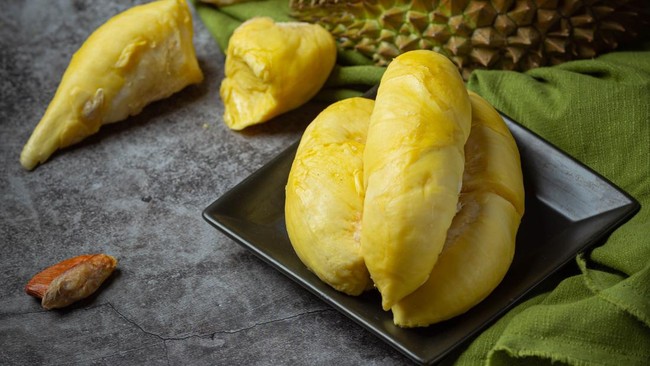
Indonesia’s durian export performance is showing an increasing trend, particularly with the opening of direct access to the Chinese market. Data from the Central Statistics Agency (BPS) shows that Indonesia’s fresh durian export volume reached 709.26 tonnes in 2025, up from 590.53 tonnes in 2024. The export value also reached US$1.25 million, or approximately Rp22.38 billion, assuming an exchange rate of Rp17,900 per US dollar. In recent years, Indonesia’s durian exports have continued to rise. Export volume increased from 50 tonnes in 2021 to 709 tonnes in 2025, while the value rose from US$149,000 to US$1.25 million. This increase occurred amid growing international demand for durian, particularly in Asia. Malaysia remains the largest destination for Indonesian durian exports. In 2025, exports to Malaysia reached 478.7 tonnes, valued at US$382,700. Hong Kong was the second-largest market with 94.46 tonnes worth US$335,000, while China ranked third with 71 tonnes valued at US$319,000. Although the value of exports to China is still relatively small, the market is gaining attention. China’s annual durian demand is estimated at US$8 billion, or around Rp128 trillion, a figure far larger than Indonesia’s current total durian exports. Direct access to China opened after Indonesia and China signed the Frozen Durian Export Protocol in May 2025. In April 2026, Indonesia shipped 459 tonnes of frozen durian to China, valued at Rp42.5 billion. Head of the Indonesian Quarantine Agency, Sahat M. Panggabean, stated that by mid-April 2026, 151 containers of durian had been sent to China, with a total economic value of Rp377.5 billion. Previously, Indonesian durians were generally shipped via third countries such as Thailand, Vietnam, or Malaysia before entering the Chinese market. With the direct route, shipping time can be cut from around 56 days to 22-26 days, and logistics costs have fallen by approximately 50%. The government estimates that Indonesia has the opportunity to capture around 5% to 10% of the Chinese durian market. If achieved, the potential foreign exchange earnings are estimated at Rp6.4 trillion to Rp12.8 trillion per year. Domestically, Central Sulawesi has become one of the regions benefiting most from the opening of the export market. Regional government data shows Central Sulawesi has approximately 3.7 million durian trees, of which 1.2 million are already productive, while around 2.2 million have yet to bear fruit. The province’s durian production reached 95,140 tonnes in 2025, with the main production centres in Poso and Parigi Moutong. Seven of the eight frozen durian packing houses that have met the requirements for export to China are also located in the province. Head of Central Sulawesi Quarantine, Alfian, said durian prices in China can be five to seven times higher than prices on the domestic market, opening up opportunities for increased income for farmers and business operators. Thailand and Vietnam have long been the main players in the Asian durian trade. Indonesia is only just beginning to enter this market. The scale is indeed still small compared to the value of the Chinese market, which reaches Rp128 trillion per year. However, the opening of direct access has changed Indonesia’s position from merely an indirect supplier to a direct exporter to the destination market. In commodity trade, market access is often the most difficult step, and that step is now beginning to open for Indonesian durians.