
Duplicate Kapuas I Bridge Begins Opening to Heavy Vehicles
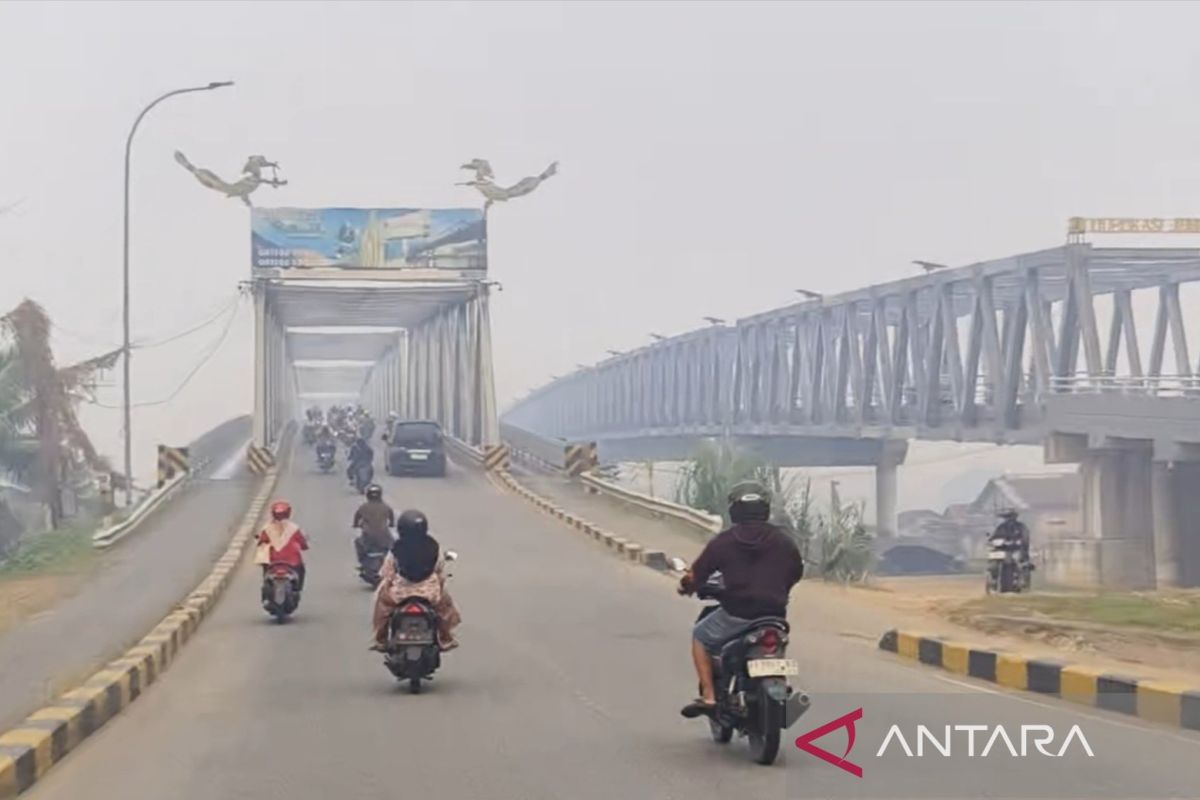
Pontianak (ANTARA) – The duplicate Kapuas I Bridge in Pontianak, West Kalimantan, is being prepared for use by heavy vehicles to support the smooth distribution of goods and reduce traffic pressure in the Tanjung Raya area.
“The first priority is to consider traffic flow and safety,” Pontianak Mayor Edi Rusdi Kamtono said in Pontianak on Thursday.
Edi said the decision to open the duplicate bridge followed discussions by the West Kalimantan Traffic Forum and the West Kalimantan Provincial Transport Agency, taking into account traffic conditions and the needs of freight transport, including fuel, clean water and waste services.
The old Kapuas I Bridge remains closed to vehicles weighing more than eight tonnes. One of its piers was previously struck by a barge, and an assessment found that the structure could not safely carry vehicles of that weight.
The newer duplicate bridge, meanwhile, is considered to have no structural capacity issues that would prevent it from carrying heavy vehicles. However, authority to determine the permitted vehicle weight rests with the head of the National Road Implementation Agency.
“The second consideration is the recommendation from the head of the agency on whether the bridge can be used. The authority to determine the weight limit for vehicles crossing it lies with the head of the National Road Implementation Agency,” he said.
Edi said rules for heavy vehicles would cover weight, vehicle length and height limits. Operating times would also be regulated to ensure that opening the route did not cause traffic to build up in Tanjung Raya I, an area that frequently experiences congestion.
He said heavy vehicles travelling from the port to warehouses in Ambawang and Ayani Dua needed a faster distribution route. Cargo-handling operations at the river port are one source of heavy-vehicle traffic in Pontianak.
“That is why I have always said this needs to be put into operation quickly, so the burden heavy vehicles place on Pontianak does not get worse, with queues and so on,” he said.
Edi said the arrangements had entered the implementation and trial phase. The Transport Agency or the Traffic Forum team would manage the traffic and assess the measures based on conditions on the ground.
He added that urban transport systems are dynamic, so vehicle rules can be adjusted to reflect traffic flows. Decisions on operating times and heavy-vehicle movements can therefore be reviewed if the arrangements create new problems.
“Prioritising safety and smooth traffic flow is what matters most,” he said.
In the longer term, Edi said Pontianak needed broader transport infrastructure development, including an outer ring road, a toll road and higher-capacity roads, to accommodate the growth of economic activity and logistics movements in West Kalimantan.