
Due to Israel, Are Arab Leadership Regimes at Risk of Being Overthrown?
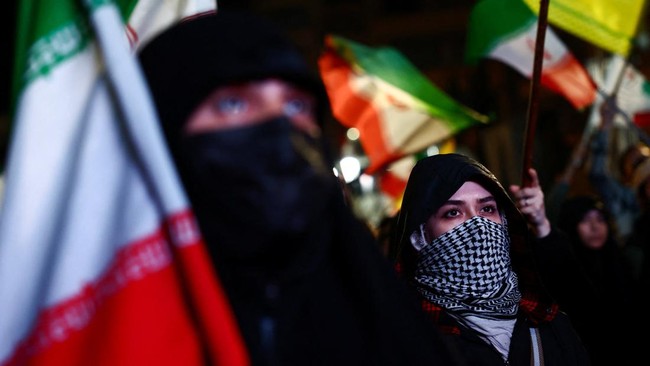
Jakarta, CNBC Indonesia - Rulers across the Arab world, from emirs and kings to presidents, are currently working hard to steer public opinion regarding the military conflict between the United States, Israel, and Iran.
Government media consistently publish condemnations of Iran’s perceived unprovoked aggression. Citizens expressing sympathy for Iran face real threats of arrest and are even accused of treason against the state.
Control of Narratives and Security Concerns
Leaders in the region are reviving old narratives of distrust towards Persian influence. Countries like Qatar and the United Arab Emirates have reportedly detained several individuals for recording Iranian attacks.
In Bahrain, several citizens have had their citizenship revoked for supporting Iran. On 7 May, the local parliament dismissed the deputy chairman and two other members for questioning the king’s authority. The government strictly rejects any challenges to the official state narrative.
Despite the pressure, public critical voices continue to emerge. Due to a crisis of trust in government media, some Arab populations are turning to information from Lebanese satellite television stations that hold sympathetic views towards Iran’s policies.
In various closed discussions, parts of society question whether the presence of US military bases is actually inviting more attacks from Iran. An academic in Doha stated that Gulf countries risk falling under Iranian influence, where they may have to spend large sums under the guise of reconstruction investments that are essentially conflict reparations.
Key Factors Driving Public Sympathy
Public sympathy for Iran in the Arab world is generally driven by two essential factors. The first is the escalation of public anger towards Israel, particularly following incidents in Gaza and attacks targeting Lebanon and Syria.
There is a view that, although Iran has a repressive government system, the country dares to provide direct resistance against Western dominance. Parts of society also respond positively to the discomfort experienced by Gulf states that have recently normalised diplomatic relations with Israel.
The second driving factor is influenced by sectarian affiliations. Shia Muslim groups in the Gulf region have historical and religious ties to Iran. In Shia-majority villages in Bahrain, communities hold mourning processions for the late Iranian leader, Ali Khamenei.
Similar conditions are seen in Dubai, home to hundreds of thousands of Iranian nationals. Local authorities responded by closing public facilities owned by the Iranian community. The United Arab Emirates’ policy of deporting thousands of Shia workers from Pakistan has further exacerbated sectarian tensions.
Polarization of Views and Ongoing Impacts
On the other hand, groups feeling the negative impacts of Iran’s proxy operations in Iraq, Lebanon, and Syria are urging the United States and Israel to continue military strikes.
Conservative groups in Bahrain are concerned about emerging internal threats and strongly reject sympathy for Iran. Salafi groups in Egypt have also escalated sectarian hostility by issuing public warnings against strengthening Shia influence in the region.
Although sectarian polarisation exists, the issue is starting to lose appeal. The dominant trend now is the public’s readiness to prioritise ideological support even at the expense of economic stability.
Many Arab migrant workers are choosing to return to their home countries after losing jobs in the Gulf, leading to a drastic drop in remittance volumes. Other macroeconomic indicators show negative trends, with measurable increases in fuel prices, even in oil-exporting countries.
This psychosocial condition is assessed as potentially leading to shifts in geopolitical perceptions in the future. Various elements of Arab society are beginning to compare their leaders’ stances with Iranian military commanders, who are seen as more ready for confrontation.
Iran’s retaliatory actions are considered successful in projecting an image of robust military capability. In comparison, the narrative of strength among Arab leaders is increasingly weakening in the eyes of their own citizens. These critical views are still voiced privately but have the potential to grow in the future.