
Dudung Suggests Revoking Free Nutritious Meals for Wealthy Children
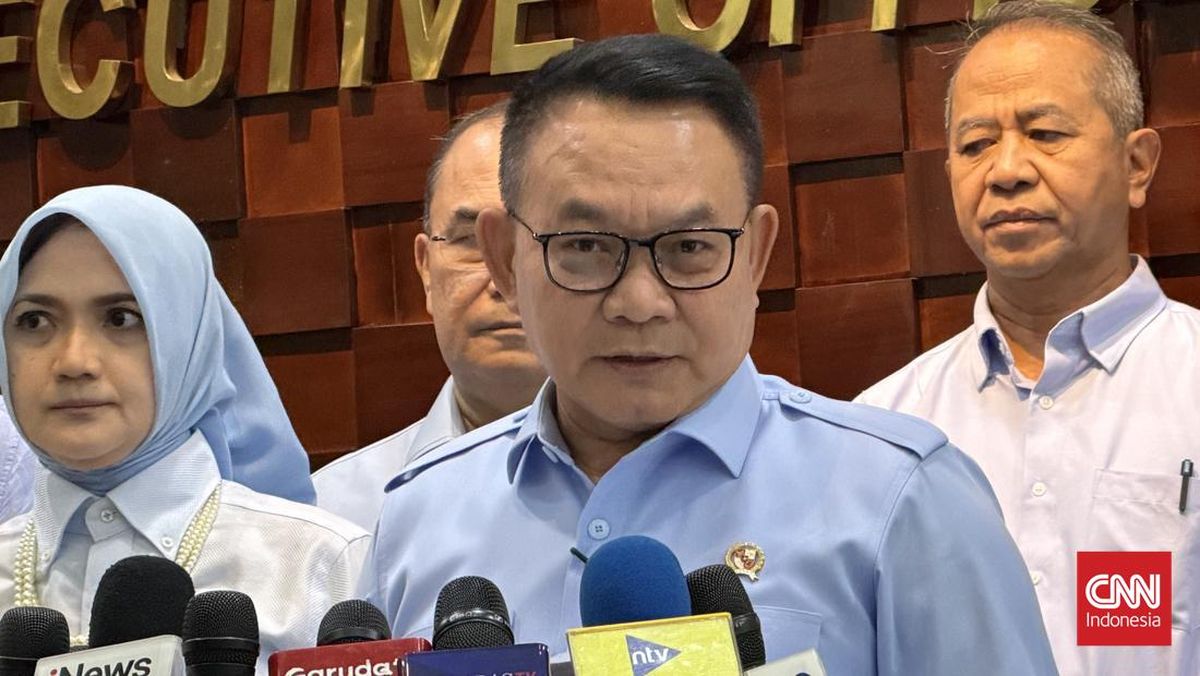
Presidential Chief of Staff (KSP) Dudung Abdurachman has raised the possibility of excluding children from affluent families as beneficiaries of the Free Nutritious Meals (MBG) programme. This is part of the government’s effort to refocus or sharpen the targeting of beneficiaries to ensure the MBG programme is more accurately directed. Dudung stated that the efficiency sought by the government is not solely about budget cuts, but about ensuring that aid is provided to groups genuinely in need of nutritional intervention. “Efficiency means, for example, at a school in Jakarta like SMP (Santo) Aloysius, only 40 per cent of students actually deserve to receive benefits; that will be calculated. That is distribution efficiency,” Dudung said during a press conference at the KSP in Central Jakarta on Wednesday (10/6). According to him, an evaluation will be carried out on the composition of beneficiaries in schools deemed to have relatively better economic conditions compared to other community groups. Dudung noted that sharpening the targeting of beneficiaries is part of the MBG programme’s efficiency drive. Consequently, the government is open to the possibility that aid will no longer be given to groups considered to have better economic standing. “That is efficiency, meaning right on target—refocusing. So, for instance, if it’s not necessary, the children of the wealthy won’t be given it,” he said. The discourse on sharpening beneficiary targeting was previously conveyed by the Head of the National Nutrition Agency (BGN), Nanik S Deyang. According to her, the government is currently reorganising MBG beneficiaries so the programme is more directed towards groups requiring nutritional support. Nanik assessed that schools with relatively good economic conditions are one of the groups that need to be evaluated in this process. “It seems unnecessary for wealthy schools to receive MBG. Surely, their nutrition at home is already better. So, we will direct it more towards children or beneficiaries who truly need nutritional intervention,” Nanik stated previously. She explained that an evaluation will also be conducted regarding the number of beneficiaries, which is currently recorded at around 63 million people. The government will recalculate whether all registered recipients indeed need the programme, or whether some of the allocation can be diverted to other groups who have not yet received benefits. According to Nanik, the refocusing is carried out to ensure the MBG programme reaches the most needy groups while simultaneously increasing the effectiveness of state budget spending.