
Dudung sets out four grounds for preventing 12 ULMWP members from travelling to Vanuatu
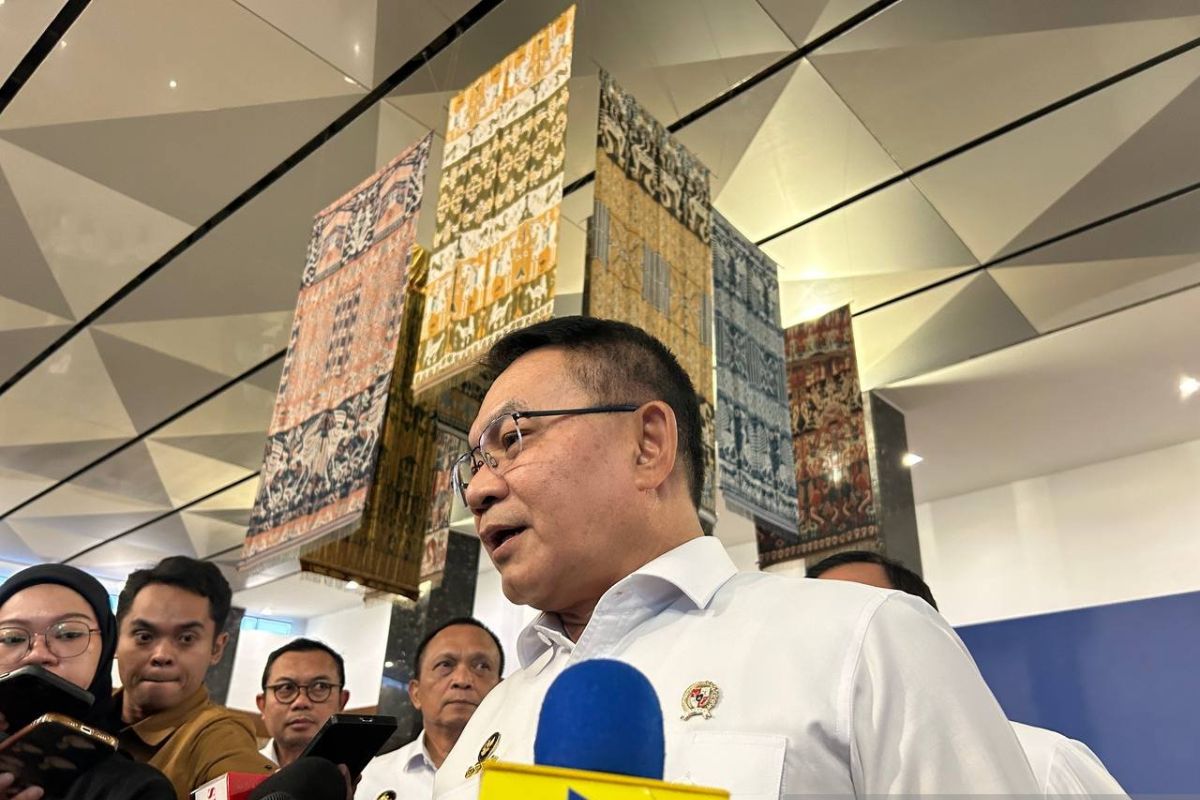
Jakarta (ANTARA) — Coordinating Minister for Political and Security Affairs Dudung Abdurachman has explained four matters relating to the cancellation of 12 members of the United Liberation Movement for West Papua (ULMWP) travelling from I Gusti Ngurah Rai International Airport in Bali on Friday (27 November).
“The government has obtained two documents containing different information about the agenda for the meeting in Vanuatu. We are currently examining the authenticity and accuracy of the contents of both documents,” Dudung said in a statement in Jakarta on Sunday.
He said the first document was an invitation letter stating that the meeting would discuss climate change in Melanesia.
The second document, meanwhile, explicitly stated that the 12 Indonesian citizens were travelling to attend the ULMWP Reconciliation and Reunification Dialogue.
“This information is consistent with an open statement by ULMWP Secretary Markus Haluk, made in a video recording circulated after the departure was prevented,” he said.
Dudung said Markus had stated that the meeting aimed to unite the ULMWP’s civil-political movement and armed groups in pursuit of Papua’s independence.
He said this information suggested that the Vanuatu meeting was not solely about climate change, but may also have involved a political consolidation agenda with armed groups opposed to the Indonesian Government.
“I regard this information as important preliminary material for examining suspected institutional links between the ULMWP and armed groups. The government is obliged to carry out early detection and take preventive measures against potential threats to national security in accordance with applicable law,” he said.
He explained that the 1945 Constitution allows the exercise of rights and freedoms to be restricted by law, including to safeguard security and public order.
The Law on Mass Organisations also prohibits separatist activities that threaten the sovereignty of the Unitary State of the Republic of Indonesia (NKRI).
Dudung said similar provisions were recognised in international law under the International Covenant on Civil and Political Rights (ICCPR), which allows restrictions on the rights to travel, express oneself, assemble and associate under the law.
Such restrictions may be imposed where they are necessary and proportionate to protect national security or public order.
“We must therefore draw a clear distinction between the peaceful expression of political aspirations and organising, carrying out or supporting an armed rebellion,” he said.
Fourthly, Dudung said he would coordinate with the relevant ministries and institutions to investigate further developments in the movement.
Dudung stressed that the government respected and remained open to the aspirations and criticism of all Indonesians, including Papuans, provided these were expressed peacefully and in accordance with the law.
The government was also committed to making Papua safe, peaceful, developed and prosperous.
“However, I stress that the government will not tolerate armed rebellion or support for acts of violence that threaten public safety, state sovereignty and the territorial integrity of the NKRI,” he said.
Source: jawawa.id (https://jawawa.id/newsitem/dudung-sets-out-four-grounds-for-preventing-12-ulmwp-members-from-travelling-to-vanuatu-1795920742)
Originally published by Antara (Indonesian) (https://www.antaranews.com/berita/5885803/dudung-ungkap-empat-dasar-pencegahan-12-anggota-ulmwp-ke-vanuatu), translated from Indonesian