
Dualism in Specialist Medical Education Under Scrutiny
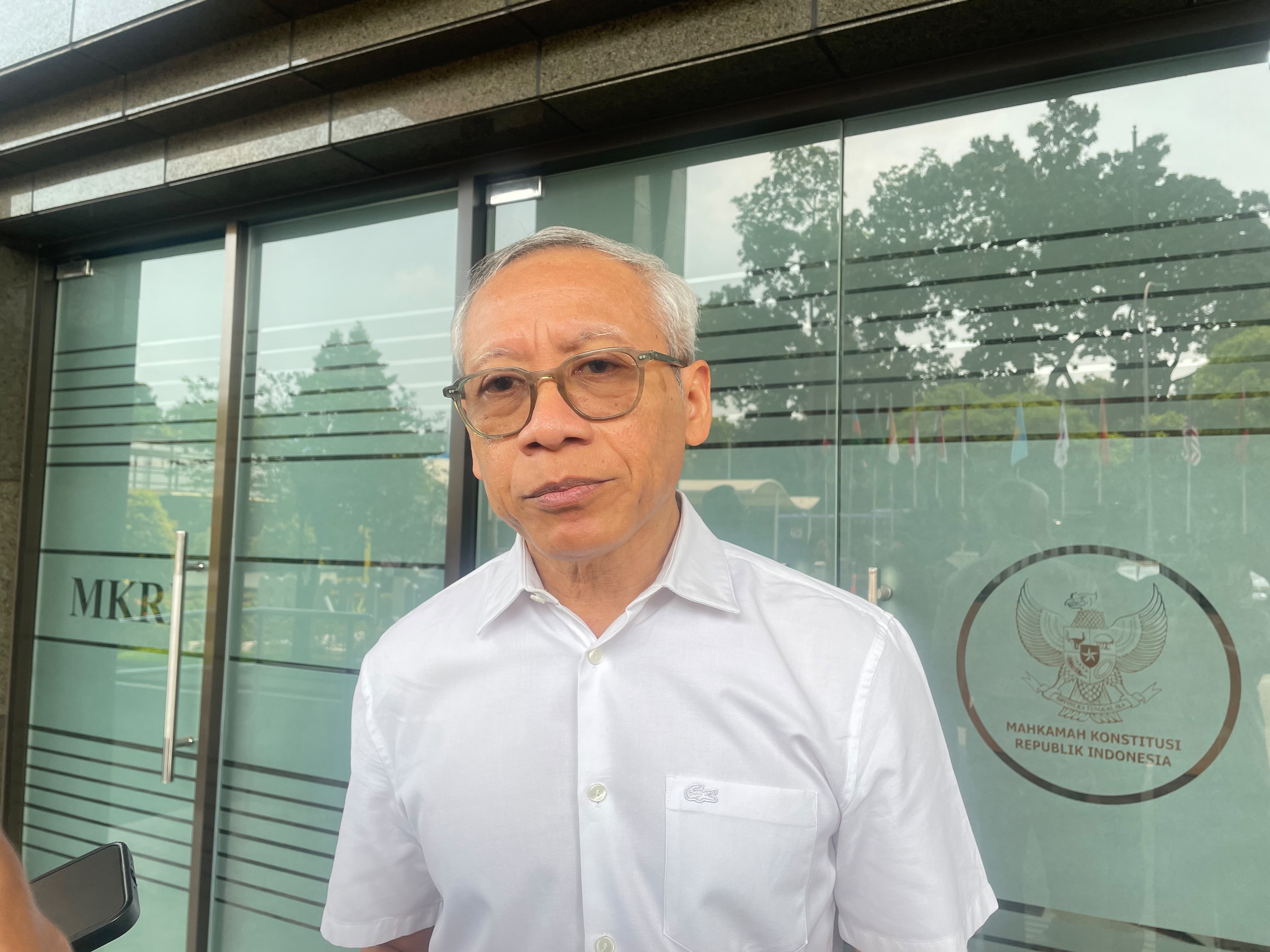
The Indonesian Council of Medical Professors (MGBKI) has highlighted the potential for dualism in the implementation of specialist medical education. This issue was a primary concern for the MGBKI when submitting an amicus curiae to the Constitutional Court on Wednesday (16/9).
An amicus curiae serves as a third party not directly involved in a case, providing opinions or information to judges to assist in judicial decision-making. The MGBBSKI’s submission pertains to the judicial review of Case Number 143/PUU-XXIII/2025 regarding the substantive provisions of Law Number 17 of 2023 concerning Health (the Health Law).
MGBKI maintains that specialist medical education is a component of higher education and should therefore fall under the regulatory framework of the Ministry of Higher Education, Science, and Technology. However, the Health Law grants the authority for organising specialist medical education to the Ministry of Health. MGBKI believes this regulation could lead to two distinct patterns of implementation: university-based education and hospital-based education.
MGBKI Secretary-General Theddeus Octavianus Hari Prasetyono stated that the position of specialist medical education as part of higher education needs to be clarified within these regulations. “Unfortunately, what is being pursued through this health law does not clearly recognise that specialist medical education is a part of higher education,” Theddeus said in his statement.
He noted that hospitals essentially function as sites for students to undergo clinical practice. Therefore, granting full authority to hospitals to organise education could potentially clash with the higher education governance currently managed by universities. This issue may become more apparent when study programmes under universities and institutions organising education through hospitals both claim authority.
“The difference may not be visible now, but it will become real when each study programme under the universities feels it possesses its own authority,” expressed Theddeus.
MGBKI also highlighted the potential for disparate treatment of students, particularly regarding educational funding. Theddeus pointed out that students in the hospital-based track reportedly receive funding from the Indonesia Endowment Fund for Education (LPDP), whereas university-based students are still subject to tuition fees, despite some receiving scholarships.
“One must pay tuition to the university, while the other is touted as being free—which is not actually free, as the people fund it through LPDP,” he said.
Beyond tuition costs, MGBKI questioned the distribution of medical service fees to specialist students. According to Theddeus, students in the university track have not yet received medical service fees from hospitals, even though provisions for this are stated in the Health Law.
The issue is further complicated because students from both tracks may operate within the same clinical education environment, using the same hospitals, instructors, and patients. “The teachers are the same, the instructors are the same, the patients are the same, in the same place. Consequently, friction will indirectly occur,” he asserted.
Case 143/PUU-XXIII/2025 was filed by several doctors and medical students. The petitioners are challenging Articles 187 (4) and 209 (2) of the Health Law, which allow teaching hospitals to act as the primary organisers of specialist and sub-specialist medical education.
The petitioners also raised concerns regarding potential conflicts of interest and unequal treatment of residents during and after their education. Through this petition, they are requesting the Constitutional Court to provide a reinterpretation of the contested provisions, seeking a framework where universities remain the primary organisers of specialist education, while teaching hospitals serve as clinical implementation partners.
Currently, Indonesia faces a shortage of approximately 70,000 specialists by 2032, with uneven distribution across 25 provinces. Health Minister Budi Gunadi Sadikin has acknowledged this gap, noting that the Ministry of Health is offering 2,000 scholarships for general practitioners and specialists to pursue further education, including abroad.