
DTSEN Updated, Ministry of Social Affairs Records 4.3 Million New Social Assistance Beneficiaries
The Ministry of Social Affairs has recorded approximately 4.3 million new Beneficiary Families (KPM) added to the social assistance recipient list following the utilisation of the Single National Socio-Economic Data (DTS-SEN).
Andy Kurniawan, Expert Staff to the Minister of Social Affairs for Planning and Policy Evaluation, stated that the DTSEN update is necessary to respond to changing socio-economic conditions and discrepancies found in the field. He noted that the ministry is responsive to all feedback, including from the media, to ensure data accuracy during the update process.
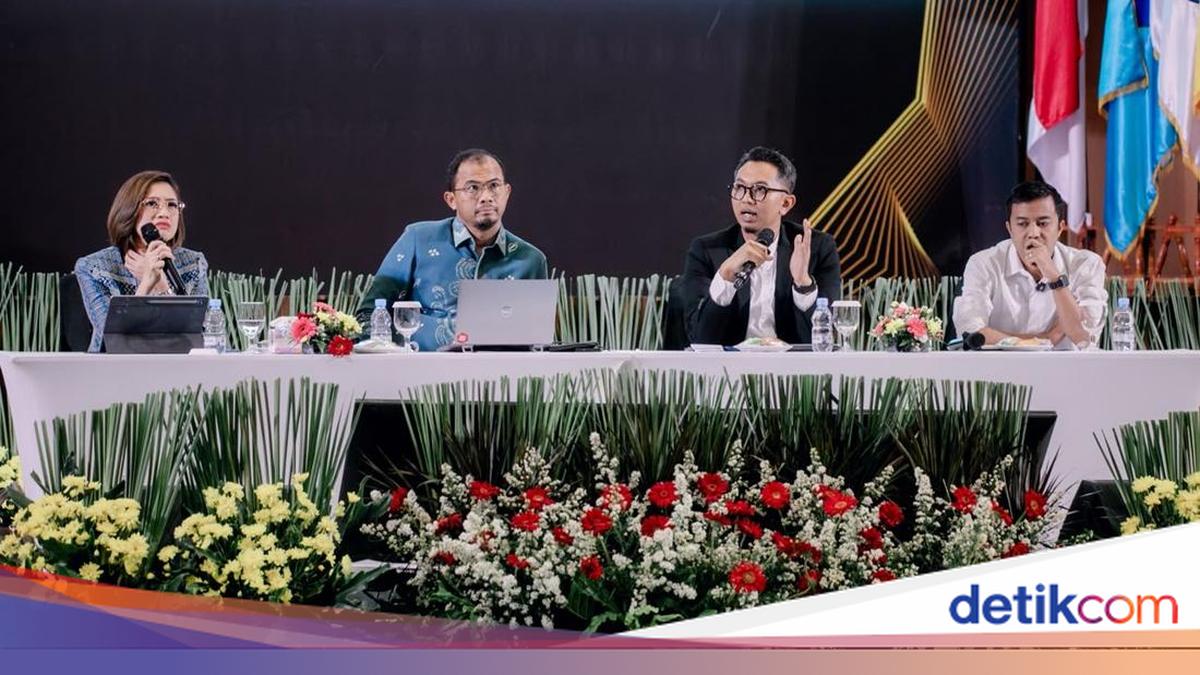
These remarks were made during a discussion on Decile Determination Methodology and Poverty Measurement in Indonesia at the STIS Polytechnic of Statistics, Jakarta. Andy noted that the use of DTSEN provides a broader basis for assessing the socio-economic status of the population, resulting in the inclusion of individuals previously unrecorded as social assistance recipients.
“Previously, many were unable to access social assistance, but now 4.3 million new KPM are receiving it because we are using decile-based classification,” he explained. The DTSEN update is also linked to the decile determination process used by the government to set priorities for social protection programmes.
Andy emphasised that the government remains open to suggestions to refine both the methodology and decile determination, viewing academic discussions as vital for evaluating the process. He highlighted constructive input from various stakeholders as essential for improving the DTSEN system.
Meanwhile, Professor Setia Pramana, Director of Methodology, Statistics, and Science Data at the Central Bureau of Statistics (BPS), explained that the DTSEN is built through the integration of several government data sources, including DTKS, Regsosek, and P3KE. Each source has different characteristics, making the integration process crucial for constructing a comprehensive socio-economic database.
Professor Setia stressed that data must be continuously updated to reflect changes in the population, such as changes in domicile or deaths. In determining deciles, BPS ranks welfare based on the socio-economic characteristics of households. He revealed that these rankings are not determined solely by income, as direct expenditure or income information is not available for all households.
To address this, BPS utilises Susenas data, which contains household expenditure information, to build estimation models for households lacking direct data. These models employ the Proxy Means Test (PMT) approach and machine learning methods. Furthermore, regional characteristics are integrated into the modelling process, with BPS developing models for each regency/city to account for regional socio-economic differences.
The resulting models are used to establish national socio-economic rankings. Professor Setia added that the process is under continuous evaluation to improve model accuracy and reduce errors arising from both the models and the quality of the data used, ensuring the database accurately reflects the evolving socio-economic landscape.