
Dry Season: West Bandung Fire Service Hampered by Limited Fleet and Water Sources
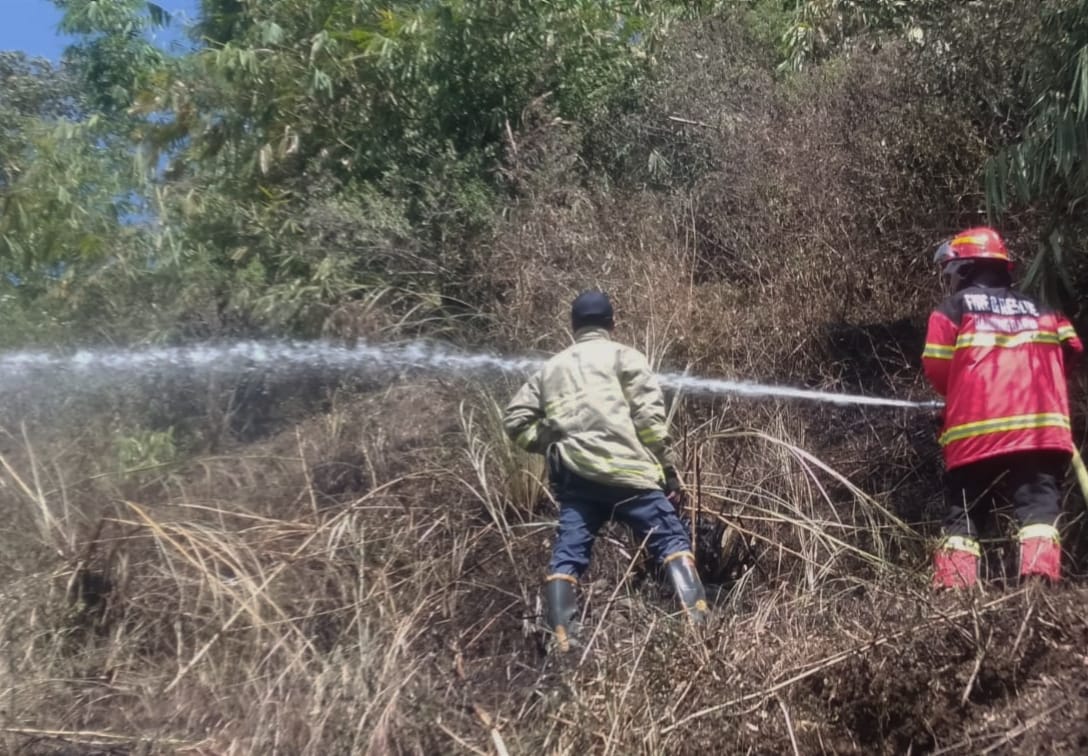
Firefighters in West Bandung Regency are facing severe challenges in handling fires during the dry season, which has been exacerbated by the El Niño phenomenon. In addition to the increased risk of fire, a limited fleet and shrinking water sources are the main problems encountered by officers in the field.
Head of the West Bandung Regency Fire and Rescue Service, Siti Aminah, revealed that her agency currently has only 10 operational vehicles. This number consists of nine fire engines and one rescue unit.
This figure is considered far from ideal for serving the 16 districts within the fairly extensive West Bandung Regency. Siti detailed that the majority of available units are already old.
“We only have 9 fire engines and 1 rescue unit, and the average condition of the units is over 10 years old. The newest is one unit from 2025 and three units from 2021, the rest are old vehicles. Ideally, each district should have 2 units,” said Siti on Sunday (23/8).
The limited and ageing fleet has a direct impact on response time to incident locations. The risk of delayed handling is even higher, especially if a fire occurs in an area far from a fire post.
In addition to adding more vehicles, Siti emphasised the importance of having a fire post in every district to speed up service. Currently, the West Bandung Fire Service only has seven posts.
“Ideally, the Fire Service should be present in every district, so it is closer to the community in need,” she said.
The challenges for officers do not stop at fleet issues. The availability of water sources is another serious problem amid the dry season. Siti mentioned that most water sources are beginning to shrink, so officers often have difficulty obtaining water supplies for firefighting.
According to her, every village should ideally have an independent water source that can be used for fire handling as well as to help communities affected by drought. In emergency conditions, officers are even forced to use whatever water sources are available.
“Water sources such as from the water utility or others are very limited. If there is an incident, even ditch water is pumped out if possible,” concluded Siti.