
Drought Warning: New Mexico's Largest Reservoir Falls to Lowest Level in 55 Years
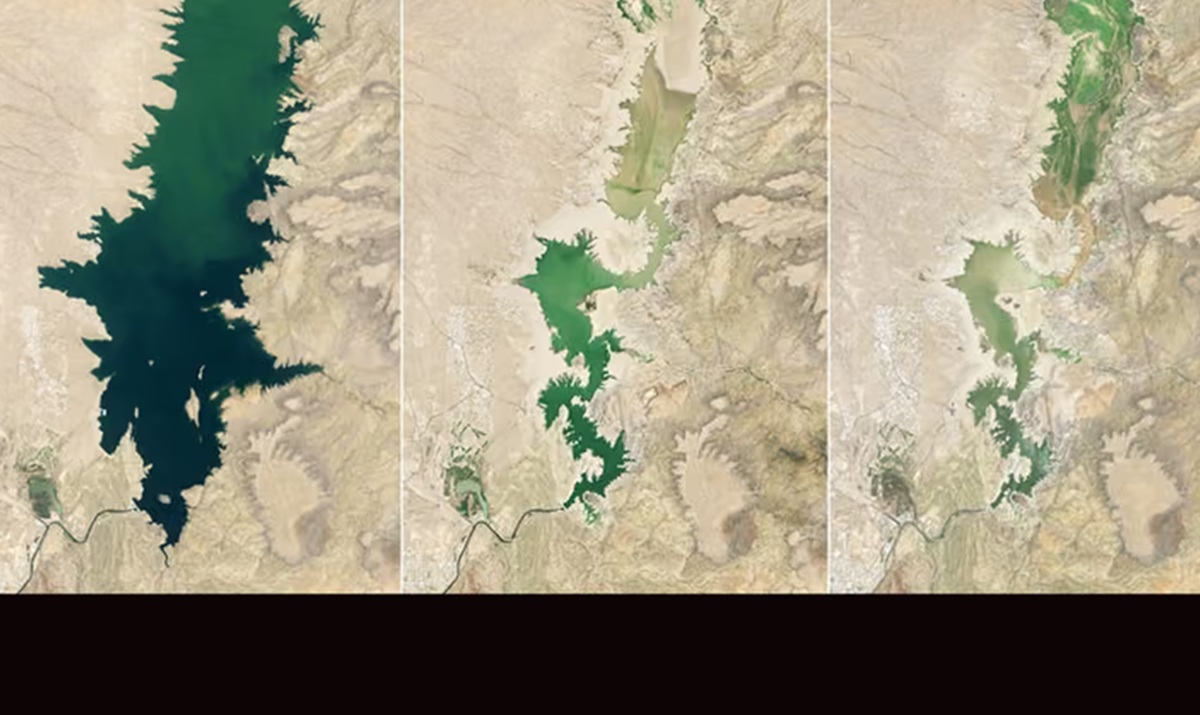
The water crisis gripping the south-western United States is showing increasingly alarming effects. The largest reservoir in New Mexico, Elephant Butte Reservoir, has experienced a drastic decline in water levels, reaching its lowest point in 55 years.
According to Landsat satellite monitoring data managed by NASA and the USGS (U.S. Geological Survey), the drop in the reservoir’s storage capacity is clear evidence of the impact of prolonged drought and the climate crisis along the Rio Grande.
A comparison of satellite imagery from the 1990s to the present day shows a stark change in the landscape. At its peak in the mid-1990s, Elephant Butte Reservoir was able to hold water close to its maximum capacity of around 2.2 million acre-feet.
However, a combination of low rainfall, declining snowpack in the mountains and steadily rising temperatures has massively eroded the water volume. Recent reports indicate the reservoir’s storage has now fallen to below 5 per cent of its total capacity.
This drastic decline signals a real threat to water supplies for thousands of hectares of farmland as well as clean water needs for communities in New Mexico and into western Texas.
Elephant Butte Reservoir was dammed in 1916 to control the flow of the Rio Grande and provide agricultural irrigation. The shrinking water levels not only threaten the agricultural sector but also worsen the condition of natural ecosystems along the river corridor.
The continually diminishing water flow has triggered increased salt concentrations and declining water quality, ultimately threatening the survival of various fish species and local wildlife.
In addition, the tourism and water recreation sector, which has long been one of the pillars of the local economy around the reservoir, has also seen a significant drop in activity.
Scientists and hydrology experts view the critical conditions at Elephant Butte Reservoir as a reflection of the megadrought phenomenon — an extreme, long-duration drought — currently affecting North America.
This space-based data observation serves as an important reminder for policymakers to strengthen sustainable water management strategies, improve irrigation efficiency and confront the increasingly real challenges of climate change in the future.
Source: jawawa.id (https://jawawa.id/newsitem/drought-warning-new-mexicos-largest-reservoir-falls-to-lowest-level-in-55-years-1788843041)
Originally published by Media Indonesia (https://mediaindonesia.com/internasional/930857/waspada-kekeringan-waduk-terbesar-new-mexico-surut-ke-titik-terendah-dalam-55-tahun), translated from Indonesian