
Drought in Central Java Worsens, Thousands of Hectares of Rice Fields at Risk of Crop Failure
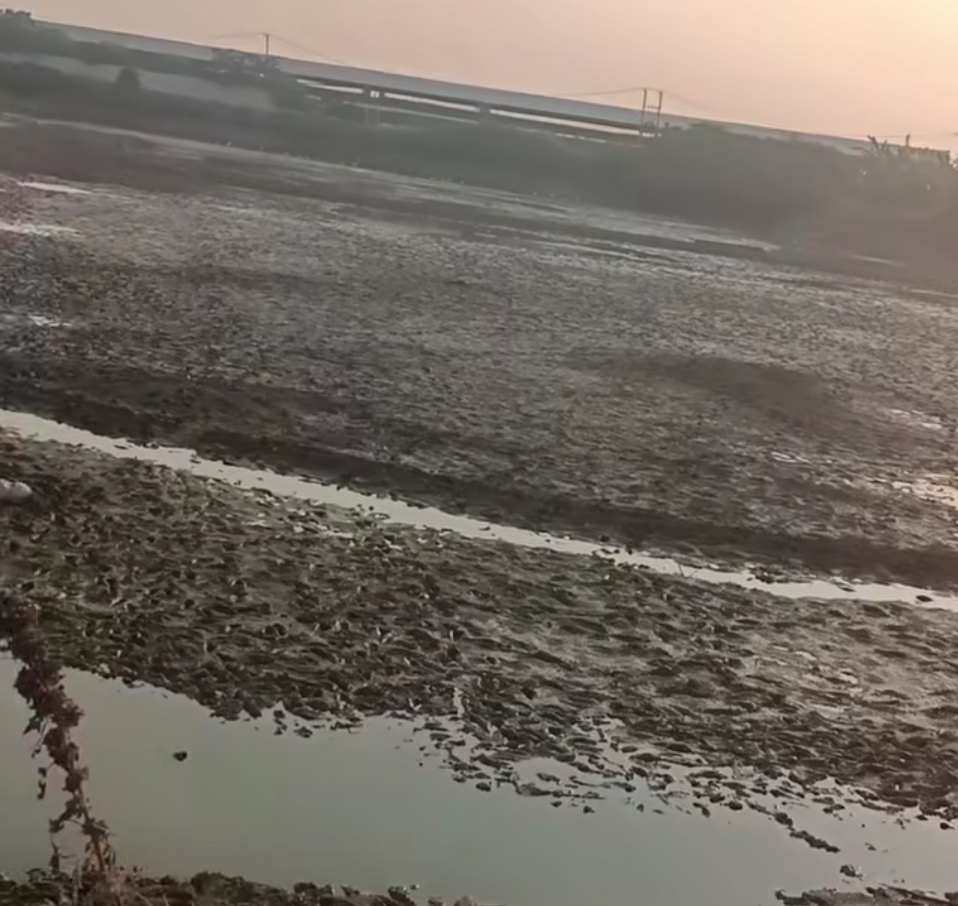
The impact of the prolonged dry season in Central Java has now entered an alarming phase. This natural phenomenon not only threatens thousands of hectares of farmland, but has also caused dozens of dams and small reservoirs across various regions to run dry. This critical situation has forced residents in several areas to filter river water to meet their daily consumption needs.
Based on monitoring on Wednesday (5/8), the drought has left hundreds of thousands of people in Central Java struggling to gain access to clean water. The agricultural sector is among the worst affected, with thousands of hectares of paddy fields at risk of not being planted — and many already on the brink of harvest failure (puso).
The shrinking of water sources, from rivers and irrigation channels to dams, means farmers must work far harder. Makruf (60), a farmer in Kangkung, Kendal, said he had to add millions of rupiah in capital to drill a borehole and operate a water pump machine.
“We are forced to spend more to water our crops just to keep them alive,” he said. A similar sentiment was expressed by Sanusi, a farmer in Toroh, Grobogan. He found it ironic that although his area lies close to the Kedungombo Reservoir, a water crisis persists because the irrigation channels have run dry.
In urban areas such as Jabungan, Banyumanik, Semarang City, residents now rely solely on deliveries of clean water. One resident, Patmi, said the wells and springs in her neighbourhood had completely dried up. “If there is no assistance, we are forced to filter river water for consumption,” she said.
The head of the Semarang City Agriculture Office, Shofiah, recorded that 2,134 hectares of paddy fields in the area are in critical condition. Her office is now working to optimise the remaining water sources to save food crops from the threat of puso.
Meanwhile, in Kendal Regency, the head of the Agriculture and Food Office (DPP), Pandu Rapriat Rogojati, said around 200 hectares of paddy fields could potentially be affected. Following instructions from the Director General of the Ministry of Agriculture, his office is currently inventorying the need for water pumps and piping to maintain water availability on farmland.
Blora Regency is one of the worst-hit areas. Around 50 per cent of the 78 small reservoirs in the district have reportedly dried up. Surat, head of the Water Resources Division at Blora’s Public Works and Spatial Planning Office (DPUPR), said the decline in water volume comes ahead of the peak of the dry season, which the Meteorology, Climatology and Geophysics Agency (BMKG) predicts will fall in August.
Surat added that the dried-up reservoirs can now only depend on rainfall. Beyond weather factors, siltation caused by heavy sedimentation has worsened the condition of the reservoirs, requiring serious treatment through dredging by the relevant authorities.
The Central Java Provincial Government has distributed 6.8 million litres of clean water to 148 drought-affected villages. Water stocks have been assured as safe for residents and the agricultural sector.