
Drone Incident in Leipzig Exposes Gaps in Germany's Defence
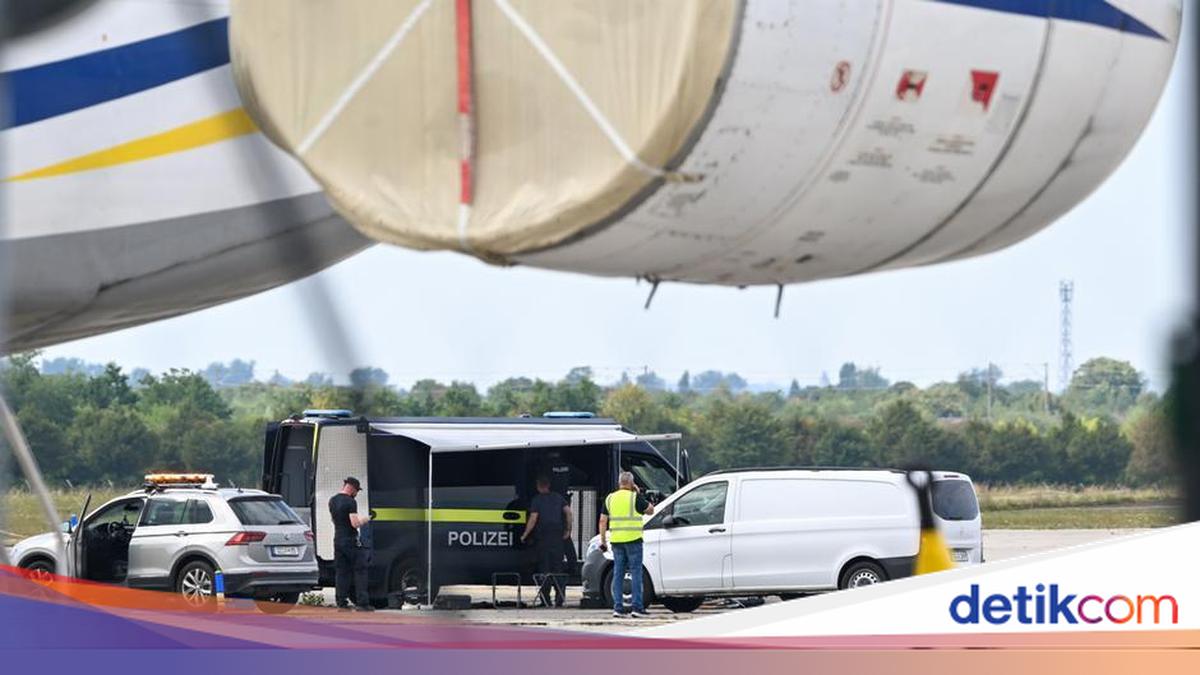
An explosives-laden drone reached Leipzig Airport and remained undetected for hours, exposing significant gaps in Germany’s drone defence systems. Interior Minister Alexander Dobrindt described the incident as a ‘hybrid attack scenario’ and suspects foreign involvement, with suspicions directed towards Russia, partly because the drone was reportedly found near a Ukrainian Antonov transport aircraft. Federal prosecutors have now taken over the investigation.
Authorities recorded more than 1,000 suspicious drone flights in 2025. In October, a drone paralysed air traffic in Munich for hours. Security expert Nico Lange told DW that airport protection is inadequate, noting a lack of the sensor networks needed to detect all types of drones, especially low-flying and slow-moving ones. The UAV DACH association also criticised the situation, pointing out that a drone reaching the apron undetected highlights the core problem and urged the introduction of real-time airspace monitoring and mandatory electronic identification for all airspace users.
Despite the establishment of a Joint Drone Defence Centre in Berlin last December, the Leipzig incident shows that new institutions are ineffective if dangerous drones cannot be detected and intercepted at critical sites. The response is further complicated by Germany’s fragmented jurisdiction, where initial action falls to one of 16 state police forces, with Federal Police only stepping in over major commercial airports or railway lines. Green Party politician Irene Mihalic called the ‘chaos of responsibilities’ a substantial threat to domestic security and demanded the Federal Police be made the lead agency.
Following the incident, the Interior Ministry plans to expand the Federal Police’s new anti-drone unit from 130 positions across four locations to 300 personnel across eight. Meanwhile, calls for military involvement have been renewed, with Schleswig-Holstein’s premier requesting Bundeswehr deployment at airports. The Defence Ministry rejected this, citing legal constraints and the challenge of protecting its own extensive military installations. Although a March revision of the Aviation Security Act now permits the military to shoot down drones to prevent a ‘particularly serious accident’, critics argue that airports still lack effective interception systems, with many only possessing detection capabilities.