
Driving State Spending to Penetrate Industrial Upstream
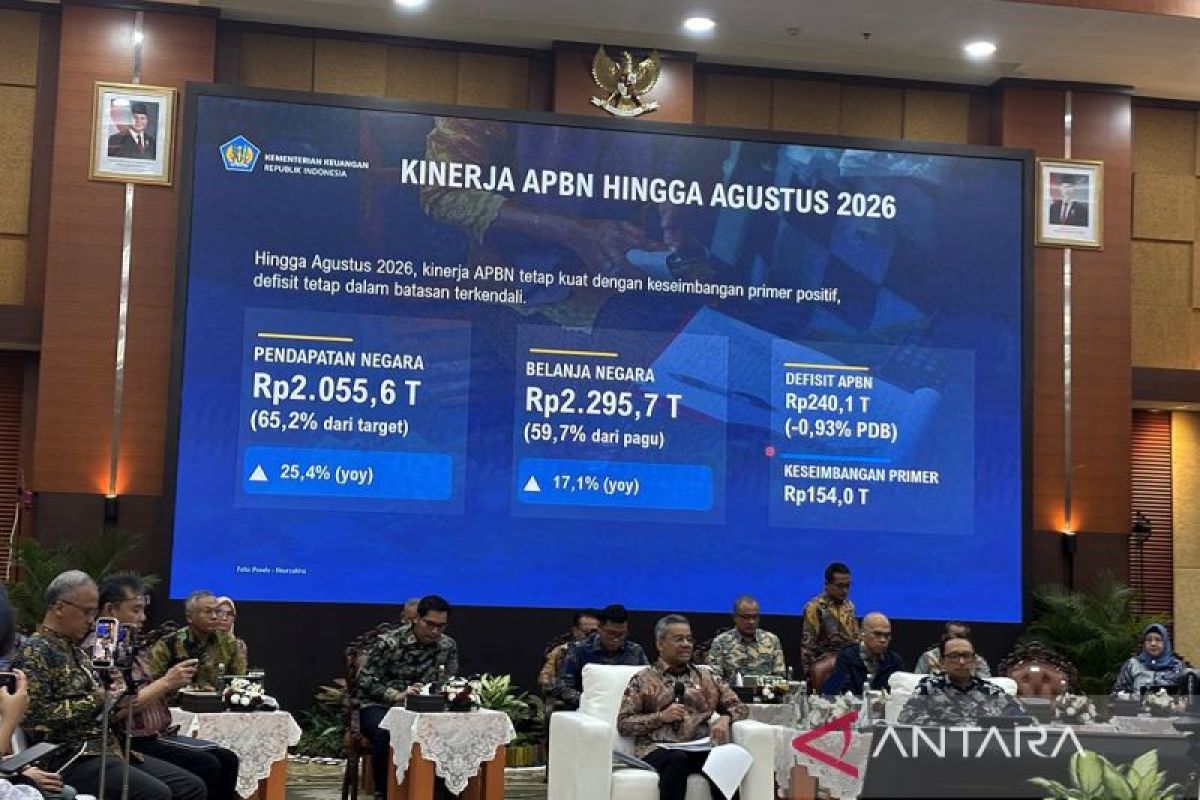
State spending is a significant economic driver. Government spending on goods and capital serves as a direct stimulus instrument to absorb domestic manufactured products. However, the large proportion of local goods procurement by state agencies does not automatically reflect an increase in national manufacturing competitiveness.
The long-term effect of such budget allocations depends heavily on the ability of producers to utilise procurement cash flows to deepen supply chains, reduce production costs, and master technology at the upstream level.
Ministry of Finance data shows that the realisation of central government spending reached IDR 1,791.5 trillion as of 31 August 2024, or 56.9 per cent of the total state budget (APBN) of IDR 3,149.7 trillion. Of this amount, goods expenditure absorbed IDR 389 trillion, while capital expenditure reached IDR 159.8 trillion.
These figures confirm the government’s position as the largest purchaser of goods and services domestically, possessing the capacity to influence the direction and structure of national industry.
To capture this market potential, as of 2 September, more than 57,000 products from 5,600 manufacturing companies have obtained Domestic Component Level (TKDN) certification.
The Ministry of Industry emphasised that the optimisation of the Increase in the Use of Domestic Products (P3DN) policy is focused on boosting domestic manufacturing value-add, while simultaneously ensuring market certainty for national industry within the government procurement ecosystem.
Nevertheless, the percentage of local content in administrative documents does not yet fully represent the depth of the industrial structure on the ground.
A product may meet the threshold for domestic materials, yet its primary components may still depend on imported raw materials, lack support from an independent local spare parts ecosystem, or suffer from inefficient production costs outside of the government market.