
Driver in Karangasem Beaten by Employer Before Being Set Ablaze
New facts have been revealed in the case of the burning of a truck driver named I Gede Selamet (21) from Muncan Village, Selat District, Karangasem. Before being doused in Pertalite and set ablaze, Selamet was reportedly beaten until he fell by his employer, I Putu Cahyadi Putra (37).
As Cahyadi attempted to set Selamet on fire, the lighter he was carrying failed to ignite twice. The lighter only caught fire on the third attempt, at which point Cahyadi immediately ignited Selamet, who had already been soaked in Pertalite.
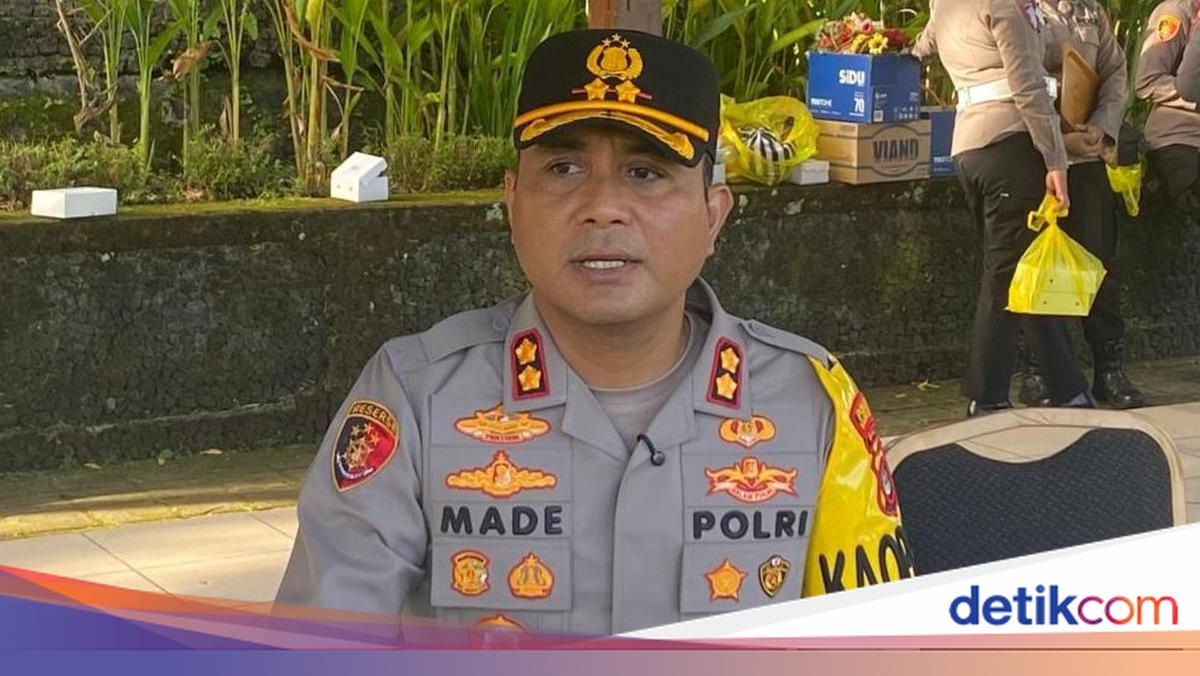
These new facts were confirmed by the Karangasem Police Chief, AKBP I Made Santika, when contacted. “Yes, it is true, as stated by the perpetrator during interrogation,” he said on Wednesday (30/09/2026).
Santika visited Cahyadi in the Karangasem Police Detention Centre. According to Santika, the perpetrator deeply regrets his actions after learning that Selamet has passed away. Cahyadi even shed tears out of remorse.
Nevertheless, Cahyadi’s remorse has come too late. He must still undergo the legal process. The police have charged Cahyadi under Article 467 paragraph (3) of Law Number 1 of 2023 regarding the Criminal Code (KUHP), with a maximum prison sentence of nine years.
It was previously reported that I Gede Selamet (21) was the victim of being burned alive by his own employer, I Putu Cahyadi Putra (37), suffering serious burns covering 68% of his body. The incident was triggered by a dispute over payments.
Selamet was later declared dead after struggling against his injuries while receiving treatment at the Prof Ngoerah Central General Hospital (RSUP) in Denpasar. Selamet’s body has not yet been returned to his family as religious ceremonies are still ongoing in Muncan Village.
Source: jawawa.id (https://jawawa.id/newsitem/driver-in-karangasem-beaten-by-employer-before-being-set-ablaze-1790762035)
Originally published by detikBali (https://www.detik.com/bali/hukum-dan-kriminal/d-8686200/sebelum-dibakar-sopir-di-karangasem-dipukul-bos-hingga-terkapar), translated from Indonesian