
Draft of State Policy Guidelines to be publicly accessible tomorrow, MPR open to public input
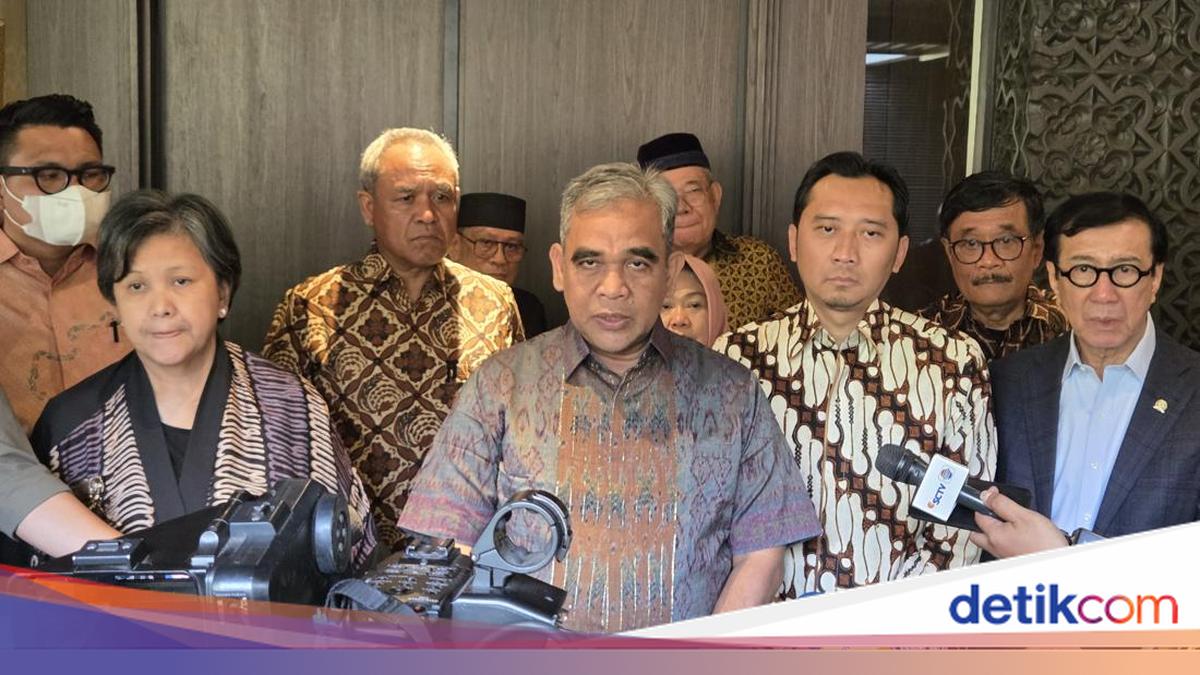
Chairman of the People’s Consultative Assembly (MPR) of the Republic of Indonesia, Ahmad Muzani, has said that the draft of the State Policy Guidelines (PPHN) that has been prepared will be accessible to the public tomorrow. Muzani stressed that the assembly is open to public aspirations.
This was conveyed by Muzani after holding a meeting with the MPR leadership, the Assessment Body, and the Constitutional Studies Commission. Also present at the event were other MPR leaders, such as Deputy Chairpersons of the MPR Lestari Moerdijat, Edhie Baskoro Yudhoyono (Ibas), Akbar Supratman, and Rusdi Kirana.
“At this afternoon’s meeting, the MPR leadership together with the Assessment Body and the Constitutional Studies Commission, which drafted the PPHN, agreed that starting tomorrow at 4 p.m., the draft of the State Policy Guidelines can be accessed by the public through a page prepared by the leadership or the MPR Secretariat General,” said Muzani at his residence in the Widya Chandra area, South Jakarta, Friday (28/8/2026).
Muzani said the opening of the PPHN draft is expected to generate discussion in the public sphere. The MPR is open to views from the public.
“Secondly, with the opening of public access to the PPHN product, we hope to receive input, views, and clear thoughts on the state policy guidelines, which conceptually we have been able to complete,” he said.
“And of course, those views, input, and thoughts will serve to refine the state policy guidelines that have now become our concept,” he added.
He said the MPR hopes the public will pay attention to this PPHN draft. Muzani emphasised that the PPHN is a philosophical foundation for the state.
“We hope that all members of the public who have an interest in constitutional matters, universities, institutions, individuals, and organisations with such an interest will provide valuable input to us,” said Muzani.
“The PPHN is a concept that transcends presidential terms. It is the philosophical foundation of our statehood, which we believe will serve as a guide for the various development programmes to be carried out by each presidential period,” he added.