
Dr Sumy Hastry Reveals Differences in Execution Process of Freddy Budiman and Bali Bombers
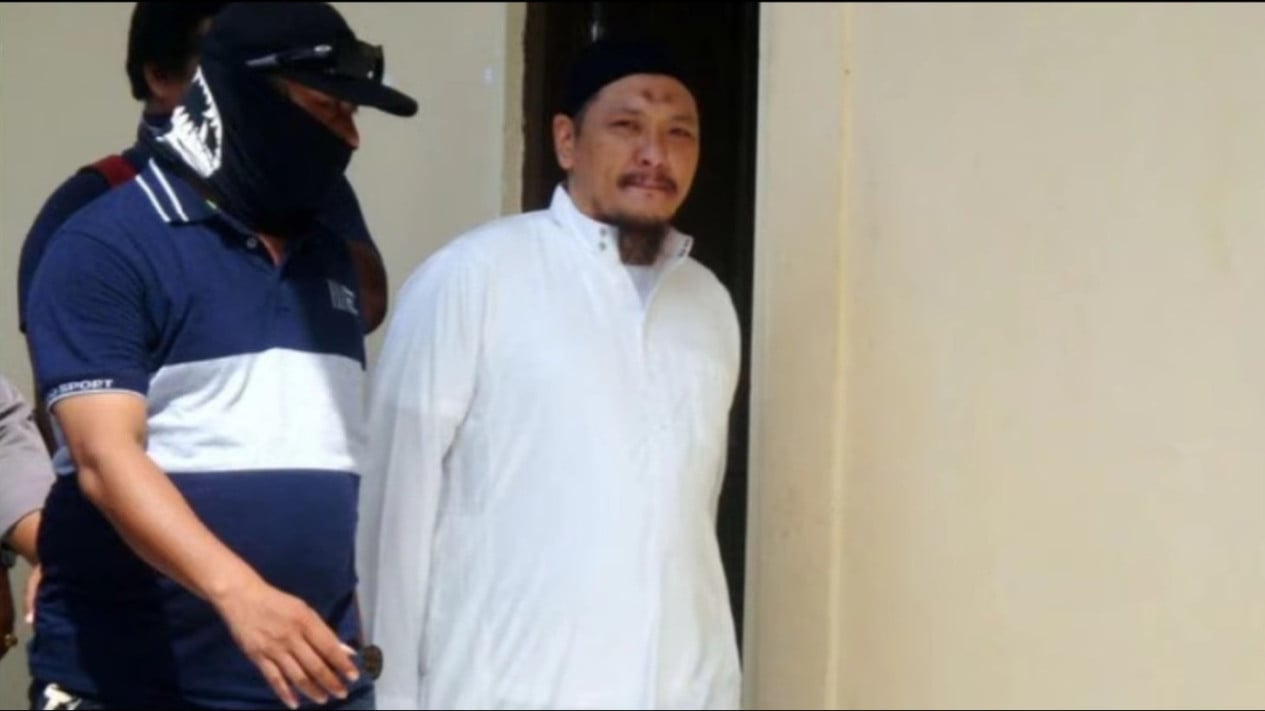
The execution of Freddy Budiman on 29 July 2016 at Nusakambangan prison remains one of the most widely discussed moments in Indonesian public life. Police forensic doctor Brigadier General dr. Sumy Hastry Purwanti has revealed the moments surrounding the death penalty, from the condemned person’s preparation to the moment the firing squad carried out the execution.
Brigjen Pol dr. Sumy Hastry Purwanti, D.F.M., Sp.F.M., who serves as head of the National Police Medical Centre’s forensic laboratory and works as a forensic doctor, shared her experience as part of the medical team in capital punishment procedures in Indonesia.
She said one of the last executions she handled was that of Freddy Budiman alongside two foreign nationals at Nusakambangan prison.
Speaking on the Kick Andy Show YouTube channel, Andy F. Noya raised the methods of capital punishment used in Indonesia. According to him, the public is more familiar with execution by firing squad than other methods such as the electric chair, hanging or lethal injection.
He went on to say that it has long been believed that only one bullet is genuinely lethal, so that none of the shooters knows who actually ended the condemned person’s life.
“But it is said that only one bullet is actually loaded, so they don’t know who really ended the life of the condemned,” he said.
Andy then asked dr. Sumy Hastry to recount her experience as part of the execution team.
In response, dr. Sumy Hastry said she had once been assigned as the doctor in a death penalty procedure while serving in Central Java.
“I was once part of the execution team, as it were — I was the doctor. Because I was posted in Central Java, orders came for me to do this. Sometimes doctors don’t want to; doctors are meant to save lives, to look after life, yet here we were looking at death,” she said.
Despite the professional dilemma she faced, she carried out the duty because it was part of her obligations as a member of the National Police.
Before an execution is carried out, the condemned undergo a health examination. Once declared fit, they are taken to the execution site in the middle of the night dressed in white clothing.
“We met them, and they were brought out — usually at midnight — dressed in white, tied to a pole so that they were upright, and as the medical team I would place or mark the contact point at the spot that, if hit by a bullet, would cause immediate death,” she explained.