
Dr Stevi Harman Highlights Challenges in Building a Health Ecosystem in NTT
On the other hand, the transition process towards an integrated data system still presents several challenges that must be addressed immediately to avoid impacting citizens in need of healthcare services.
According to Dr Stevi, the existence of a single national database will help ensure that various government programmes, ranging from stunting prevention to health assistance for poor families, are accurately targeted. “With this ‘Single Data’ initiative, the room for discrepancies in figures between agencies becomes smaller. Well-designed government programmes will more easily reach their targets because they utilise the same data,” said Dr Stevi during the ‘detikSore’ programme on Wednesday (3/6/2026).
Accurate Data is Key to Health Programmes
Dr Stevi explained that various health programmes rely heavily on the quality of data used by the government. She cited stunting prevention programmes, which require the identification of vulnerable families from before pregnancy through to the first 1,000 days of a child’s life.
“There are programmes to provide basic food supplies to poor families with pregnant mothers, for instance. There are also programmes for providing supplementary feeding for pregnant women. All of this requires highly accountable data, which is the current concern of Committee III. We know that any new programme necessitates adjustments,” she added.
Consequently, the DPD RI Committee III, which partners with several ministries and agencies (K/L) in the fields of health and social welfare, is currently paying special attention to the implementation of the National Single Social and Economic Data (DTSEN).
Complaints from BPJS PBI Recipients During Transition
Nevertheless, Dr Stevi acknowledged that the transition to the new system is still causing field-level obstacles. One major issue reported by the public is the change in the status of ‘Penerima Bantuan Iuran’ (PBI) participants for BPJS Kesehatan following the data update process.
“Many people have come to complain because their PBI status was suddenly disconnected. There were pregnant women who panicked because they previously received assistance, but suddenly became inactive,” said Dr Steint.
According to Dr Stevi, these complaints were immediately conveyed to the Ministry of Social Affairs, the Ministry of Health, and BPJS Kesehatan to find a solution. She praised the government’s rapid response, which involved coordination with local governments to ensure those in need continue to receive health protection.
Cultural Challenges in Healthcare Access
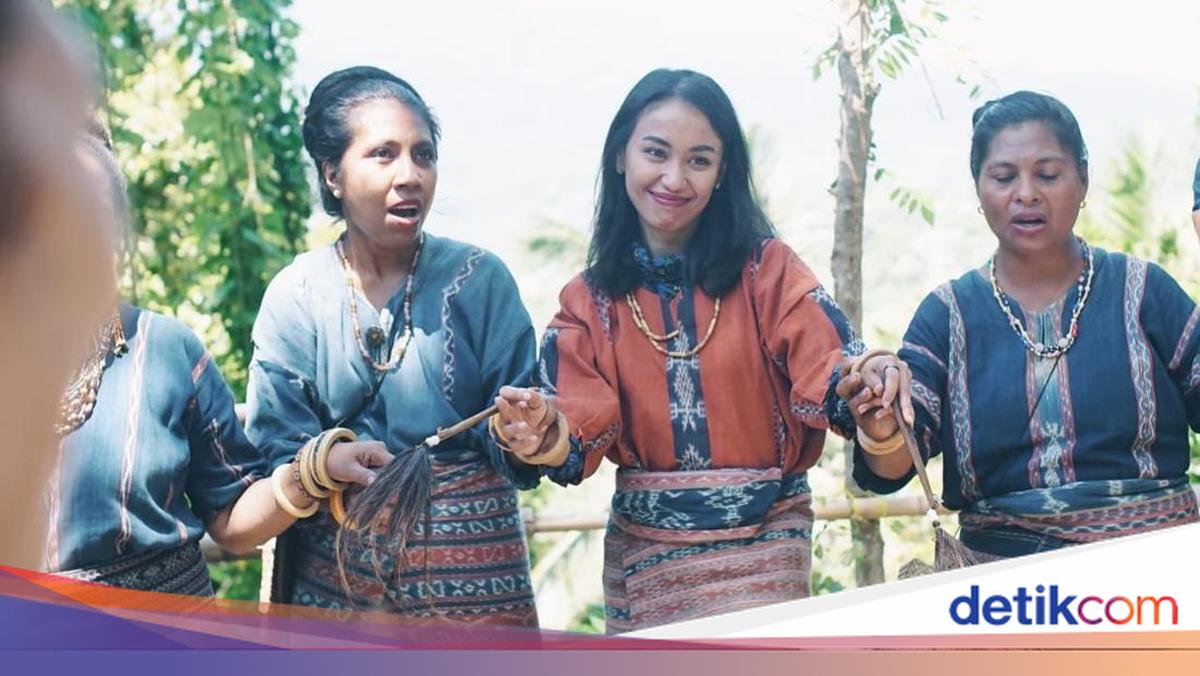
Beyond systemic and data issues, Dr Stevi highlighted socio-cultural challenges that still affect healthcare access in several regions of East Nusa Tenggara (NTT). She noted that strong patriarchal cultures often mean women’s voices are unheard in community forums.
“Many village meetings are attended by men, while women are in the back, preparing refreshments or choosing not to speak,” said Dr Stevi. To address this, she employs a specific approach during her constituency visits, requesting that female cadres and mothers be actively involved in every meeting.
She also noted that she often visits kitchens or other parts of homes to observe the actual health conditions of families, looking at sanitation, waste disposal, and the presence of pregnant women.
The Story of a Cancer Patient Refusing Treatment
During a visit to Malaka Regency, NTT, Dr Stevi encountered a case that remains etched in her memory. She was asked to examine a woman with advanced-stage breast cancer who was confined to her home. The patient’s condition was severe and required hospitalisation; however, the family refused medical referral due to certain beliefs suggesting that surgery would worsen the patient’s condition.
“They believed that if this woman went to the hospital for surgery, she would die. I had to be careful not to show anger, as they respect their uncle highly,” explained Dr Stevi. “It is a social order. The issue wasn’t economic; it was community belief and their respect for their elder.”
According to Stevi, such cases are not isolated. She believes many people face serious illnesses but receive delayed medical treatment due to limited information, cultural factors, or social influences. “This is a major challenge for the healthcare world. The issue is not just facilities or medical personnel, but how to build community understanding regarding the importance of early medical treatment and health check-ups.”
For Stevi, improving healthcare in NTT requires more than just building facilities or providing medical staff. It necessitates accurate data, cross-agency coordination, and socio-cultural approaches capable of reaching communities at the family level.