
DPR's BKSAP assesses 2026 Hajj management as improved
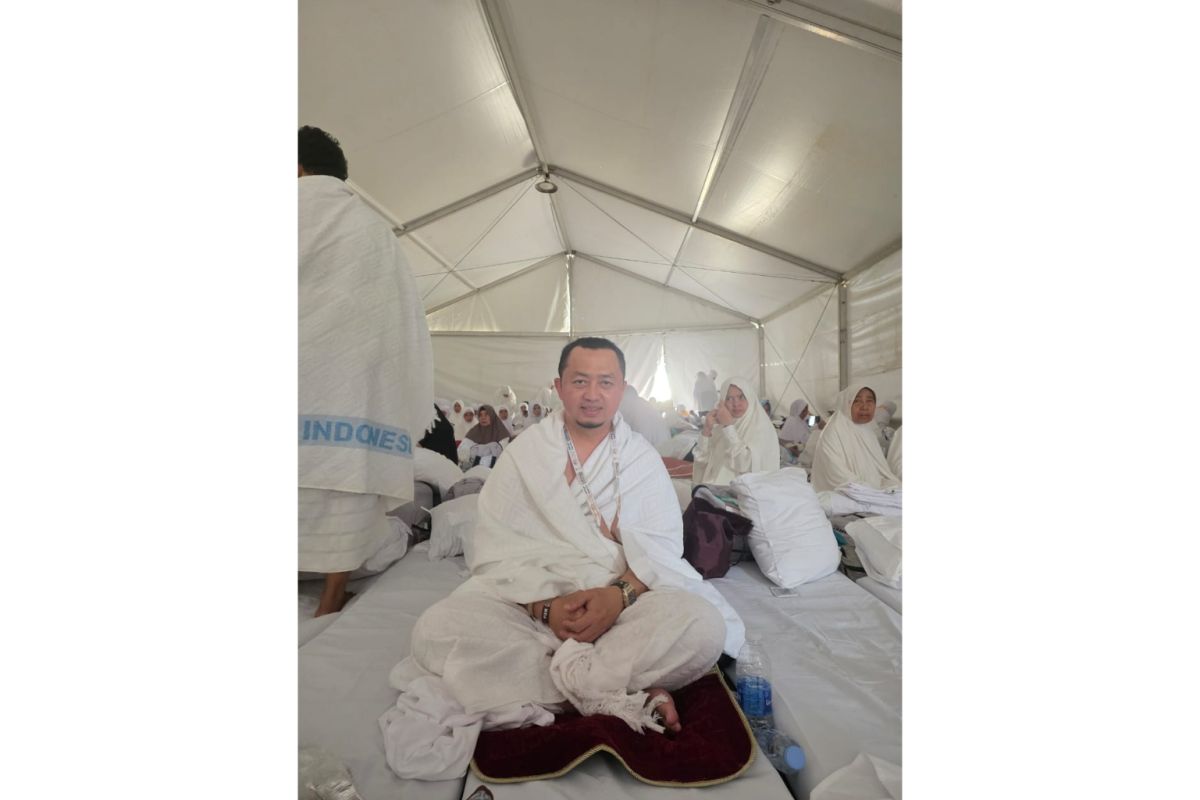
Chairman of the House of Representatives’ Inter-Parliamentary Cooperation Body (BKSAP), Syahrul Aidi Maazat, assessed the 2026 Hajj management as better than previous years in terms of services and pilgrim management. ‘Generally, this year’s Hajj was much better than previous years. I experienced it firsthand as a pilgrim, but there are some areas that need improvement for the future,’ Syahrul said in a statement received in Jakarta on Monday. He stated that his assessment was based on his personal experience as a regular pilgrim during the 2026 Hajj. Syahrul, currently in Mecca, highlighted significant improvements across various stages of the 2026 Hajj management. All service aspects, from departures, transportation, accommodation, food, to healthcare for pilgrims, were more organised. He said these improvements reflect systemic enhancements in Hajj management, including more effective coordination among field officers. One indicator of the successful Hajj management, Syahrul said, was a significant drop in the number of pilgrim deaths this year. He noted this reflects thorough preparation and planning carried out well before the Hajj season began. ‘The significant drop in pilgrim deaths indicates Hajj management was well-handled long before departure procedures,’ he added. Technical challenges As part of his evaluation, he acknowledged some technical challenges faced by pilgrims despite the overall smooth management, including accommodation in Medina, mabit (overnight stay) arrangements, stoning of the devil ritual, tent facilities, and sanitation facilities. ‘In Medina, pilgrims felt the room capacity per person needed standardisation. Three people in a room – what’s the appropriate space? Many complained, including myself,’ he said. In Mina, he added, Indonesian pilgrims’ tents were overcrowded. Overnight stays were lengthy and mattresses were small. However, he acknowledged that some external factors in Mina were unavoidable. ‘Food, however, was much better, with no more spoiled meals and tastes tailored to Indonesian palates,’ Syahrul added. As the 2026 Hajj enters its final phase, the repatriation of Indonesian pilgrims is underway in stages, scheduled from 1 June to 29 June. The government, through the Ministry of Hajj and Umrah, assured Syahrul that repatriation is proceeding smoothly via various embarkation points in Indonesia. Indonesia was allocated 221,000 Hajj slots for the 1447 Hijriyah/2026 Gregorian season, comprising 203,320 regular pilgrims and 17,680 special Hajj participants.