
DPRD West Java: Legok Nangka Waste-to-Energy Plant a Solution to Waste Crisis
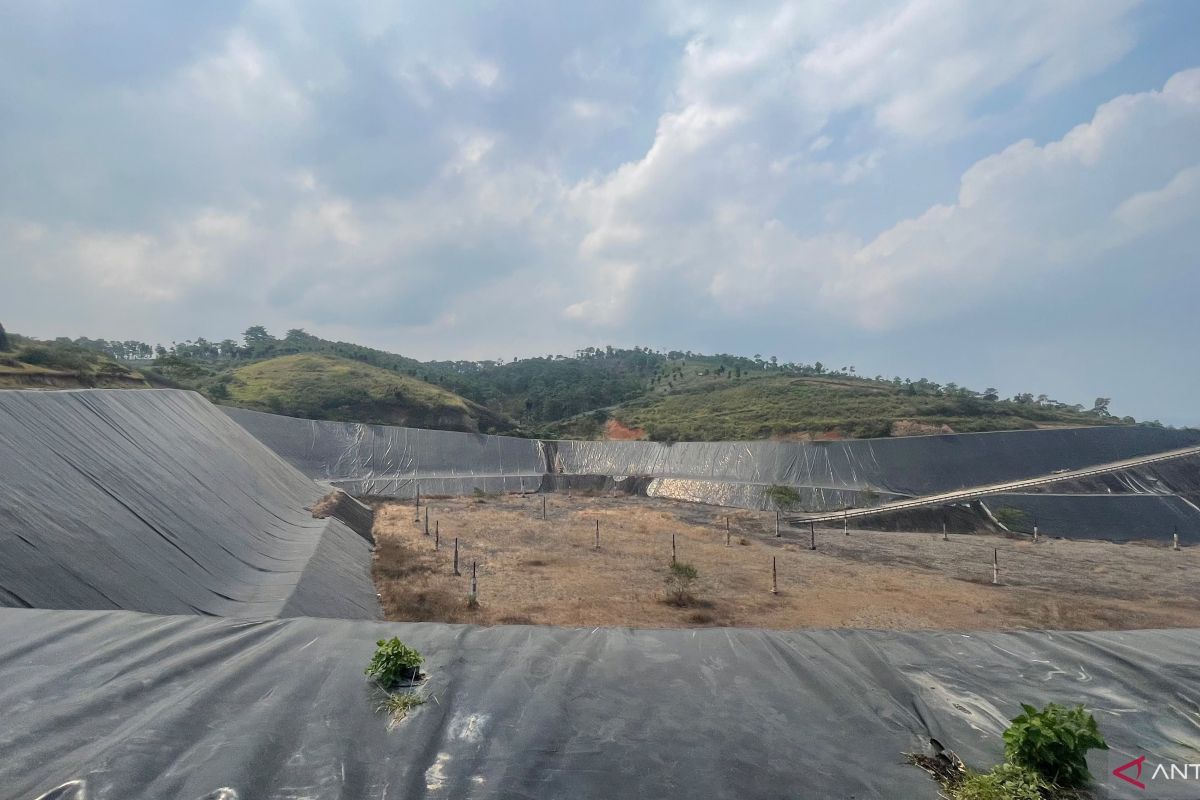
Bandung (ANTARA) - The Chairman of the West Java Regional House of Representatives (DPRD), Buky Wibawa Karya Guna, has stated that the construction of the Legok Nangka waste-to-energy plant (PSEL) in Bandung Regency is a strategic step in addressing the waste crisis. Speaking at the site on Thursday, Buky said the commencement of construction ends a long wait since the project was first planned in 2005. “It has been a long time coming, and finally today we have the groundbreaking for the waste-to-energy processing facility at Legok Nangka, which has been delayed for quite some time,” he said. According to him, the development of the Legok Nangka PSEL is a milestone in efforts to establish a modern waste management system while reducing dependence on final disposal sites. “We are facing a waste disaster. So this is a very good effort as a way out,” he stated. Buky expressed hope that the construction of the Legok Nangka PSEL can be completed within the three-year target so that its benefits can be immediately felt by the community and local government. Meanwhile, West Java Governor Dedi Mulyadi said the Legok Nangka PSEL is targeted to begin operations in 2029 to provide a waste management solution for Bandung City, Bandung Regency, West Bandung Regency, and Cimahi City. “Today we receive three great blessings, the results of which we will feel in 2029. First, the waste problem in Bandung City, Bandung Regency, West Bandung Regency, and Cimahi City will have a solution,” said Dedi. The Legok Nangka PSEL is a waste-to-energy project valued at approximately 400 million US dollars, or around Rp7.2 trillion, designed to process up to 2,000 tonnes of waste per day with a power generation capacity of 40.79 megawatts (MW). The project is targeted to be operational by 2029 after a construction period of around 41 months and is projected to serve six regencies/cities in West Java while reducing greenhouse gas emissions by approximately 311 thousand tonnes of carbon dioxide equivalent.