
DPRD Member Appreciates NTB Governor's Stance in Rejecting Rinjani Cable Car Project
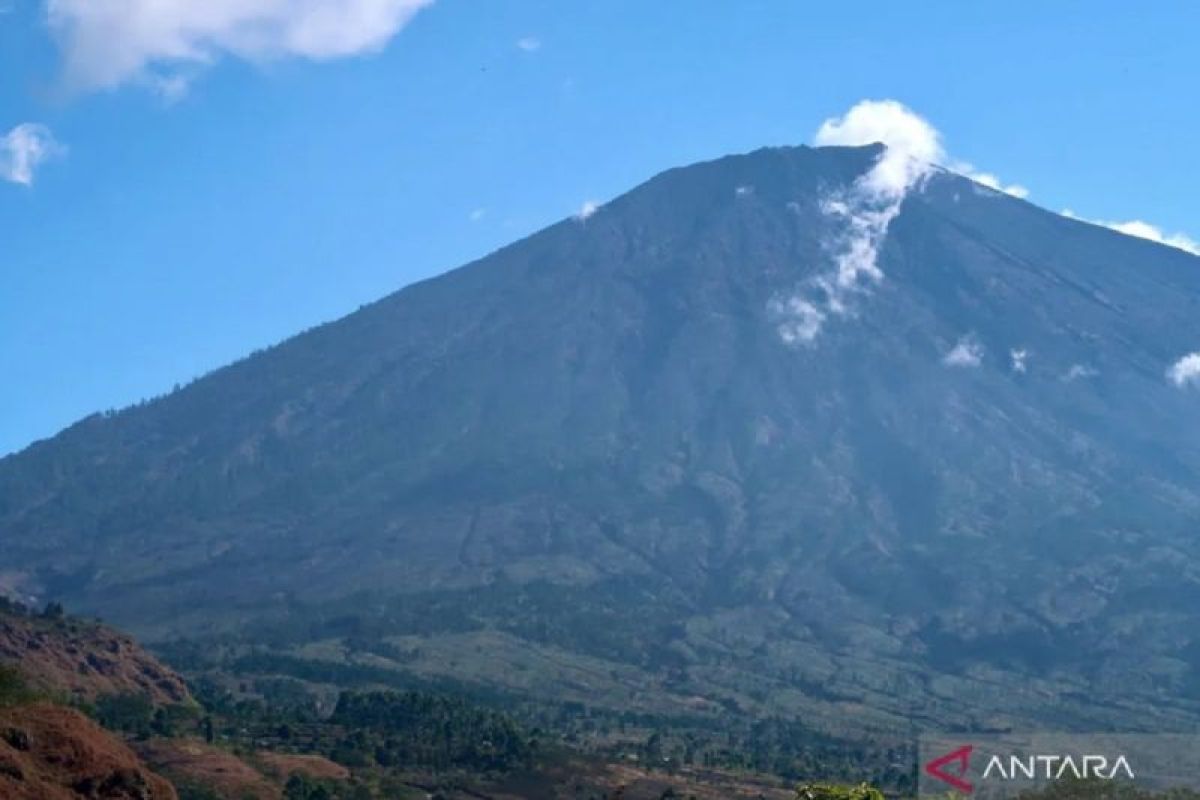
Mataram (ANTARA) - Lalu Arif Rahman Hakim, a member of Commission II of the West Nusa Tenggara DPRD, has appreciated the firm stance of Governor Lalu Muhamad Iqbal in rejecting the planned construction of a cable car in the Mount Rinjani area.
“This must be understood by all parties as a decision that has undergone in-depth study,” he said in Mataram on Thursday.
According to him, the controversy surrounding the project cannot be viewed solely from the issue of the sacredness of Mount Rinjani, but must be examined comprehensively, taking into account the economic, social, and environmental impacts on the people of NTB, particularly those around the tourist area.
“It must be viewed comprehensively, what are the pros and cons of this project. What impacts can be felt by the community, especially the community around the area, and how it affects the environment,” said Lalu Arif.
He stated that the main principle of the DPRD is to ensure that every investment project truly provides tangible benefits for improving the economy and welfare of the people. If the benefits are unclear or even cause social and environmental harm, then the project deserves to be reviewed again.
“If this project impacts the economy and welfare of the people, of course we support it. But if there is no impact, it must be reviewed again,” stressed the politician from the Central Lombok Regency electoral district.
Regarding the reason of the sacredness of Mount Rinjani, he considered it relative and not the main issue. However, he emphasised the importance of looking at the direct impacts on the community, including the potential loss of livelihoods for porters and local tourism actors.
Because, from the beginning the cable car construction issue circulated, strong rejections also came from porter groups who have so far depended on their livelihood from climbing activities at Mount Rinjani.
“These porters earn their daily living by carrying climbers’ goods. When there is a cable car, their jobs are also threatened to be lost,” said this member of Commission II for the Economy of the NTB DPRD.
In addition, he also questioned how far the multiplier effect of the project would truly be felt by the people of NTB. Do not let, he said, local land and tourism potential be exploited while the major profits are taken out of the area or even abroad by foreign investors.
“Do not let our region be exploited, while the results are taken away by outside entrepreneurs. Especially since the investors are from abroad. We should not end up only getting the scraps,” he said.
He mentioned that the community might only receive income from taxes and levies, while the main profits are enjoyed by investors.
Nevertheless, Lalu Arif still respects the decision of the NTB Provincial Government. He believes that the rejection step taken by the government did not emerge suddenly, but has gone through careful calculations considering various aspects.
“The government certainly has its calculations of pros and cons. If the harm is greater, why force it. We work for the people of NTB,” said Lalu Arif.
He also recalled that the discourse on building a cable car at Mount Rinjani is not a new issue as it has been circulating for more than a decade.
“The government’s current decision is most likely based on in-depth studies of the long-term impacts of the project on NTB,” he said.