
DPRD hopes fiscal constraints will not hinder development in Jakarta
Jakarta (ANTARA) – The Jakarta Regional Representative Council (DPRD DKI) hopes that fiscal constraints in the DKI Jakarta regional budget for the 2027 fiscal year will not become an obstacle to development in the capital.
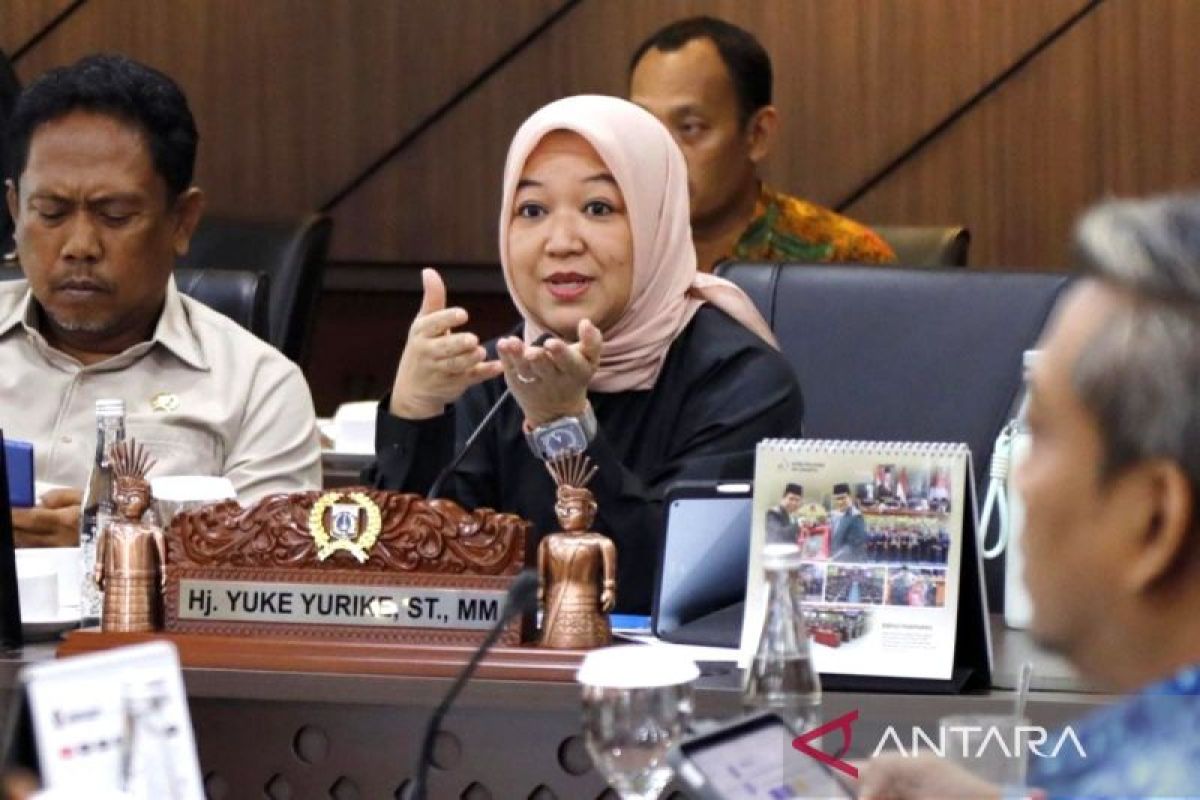
Yuke Yurike, Chair of Commission D of the Jakarta DPRD, said in Jakarta on Saturday that fiscal limitations must be met by setting clear priorities on programmes that deliver direct benefits to residents.
“With the existing fiscal constraints, the Highways Agency and the Water Resources Agency must genuinely prioritise the programmes with the greatest impact on the public,” said Yuke following deliberations on the General Budget Policy and Temporary Budget Priority Ceiling (KUA-PPAS) on Friday (24/7).
During the deliberations, the Highways Agency and Water Resources Agency identified several priority programmes directly related to residents’ needs, including sidewalk improvements, the construction and maintenance of pedestrian crossings (JPO), and flood control, one of the focus areas of the DKI Jakarta Provincial Government.
According to the DPRD member from the South Jakarta electoral district, most public complaints relate to the condition of neighbourhood roads, water channels, and basic infrastructure that fall under the authority of the two agencies.
“Commission D asks the regional apparatus to be open if budget constraints prevent public proposals from being accommodated. That way, the DPRD can discuss possible budget adjustments during deliberations in the Budget Committee (Banggar),” she said.
The three-term DPRD member revealed that the budget allocation for sub-district offices (Sudin) has declined compared with the 2026 fiscal year. This has drawn Commission D’s attention given the high demand for handling neighbourhood roads and water channels across various parts of Jakarta.
Yuke therefore asked that budget needs be calculated carefully, taking into account the size of each area, the number of public complaints, and the level of urgency of problems on the ground.
“We remind them not to prioritise only major roads or the city centre. Neighbourhood roads, drainage, street lighting, and basic infrastructure in outlying areas must also receive attention because their benefits are directly felt by residents,” she explained.
Officials from the Highways Agency, the Water Resources Agency, and the Development Assistant of the Regional Secretariat have ensured that programme drafting is based on proper planning and takes residents’ needs into account.
Nevertheless, Commission D will scrutinise the matter in greater detail during deliberations on the draft regional budget (RAPBD) down to the programme and activity level.
“What we are discussing now is still at the KUA-PPAS stage. Later, during the RAPBD deliberations, we will examine it further down to programme details and budgeting before it is discussed in the Budget Committee,” she said.
Amid the budget constraints, Yuke called on all parties to understand the fiscal conditions facing the DKI Jakarta Provincial Government.
Even so, she believes Jakarta still has the capacity to continue developing and serving its residents.
“Such a significant budget reduction will certainly have an impact; but we should be grateful that Jakarta can still build, still survive, and continue to serve the public’s needs. Residents’ aspirations must still be fought for. However, we must also work together to find solutions in line with the available budget,” she said.