
DPRD Commission D Urges Jakarta Environmental Agency to Implement Comprehensive Waste Management
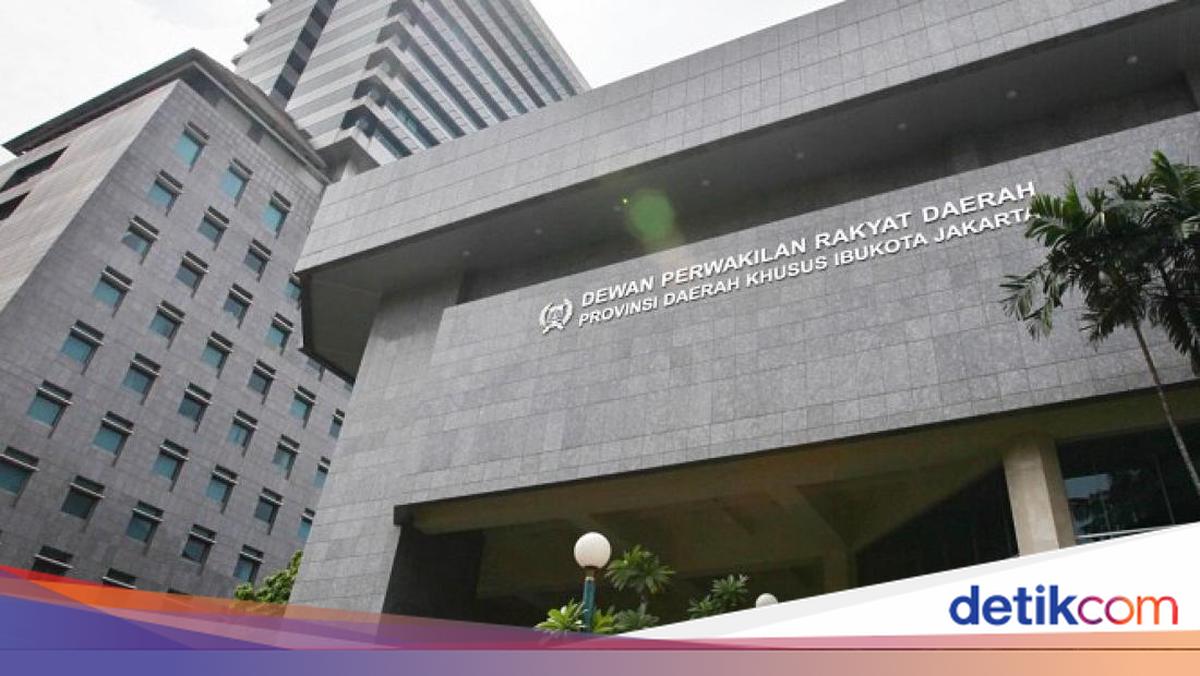
The Chairperson of Commission D, Yuke Yurike, stated that the commission has begun an inventory of issues and an evaluation of waste management by relevant agencies. The goal is to determine the most effective steps to address waste problems within the community. “There is a need to improve waste processing through short, medium, and long-term strategies,” Yuke said in a written statement on Wednesday (3/6/2026).
According to Yurike, it is essential to optimise waste processing sites using the 3R principle (reduce, reuse, recycle) across all areas of Jakarta, while also supporting organic waste processing. She noted that organic waste can be processed into SOD (kitchen waste) slurry before undergoing large-scale processing at facilities.
Commission D is also focusing on the implementation of waste sorting at the household level. The systems for transporting and the final disposal of sorted waste require sustained attention. “Our concern is: once the waste is sorted, how is it transported?” Yuke remarked.
This concern is linked to the planned restrictions on waste disposal at the Bantargebang Integrated Waste Treatment Site (TPST) starting 1 August 2026. “Since organic waste will no longer be permitted at Bantargebang, we must begin processing organic waste locally,” said Yuke.
Furthermore, Commission D is urging the Jakarta Environmental Agency (Dinas LH) to accelerate comprehensive waste management in the upstream and midstream sectors. While downstream management is being planned through the Waste-to-Energy (PSEL) project, focusing on upstream and midstream sectors is critical, given that the construction of PSEL facilities will take approximately three years.
Upstream management can begin with socialisation, the provision of infrastructure, and the expansion of implementation areas. Midstream management involves strengthening institutions and funding, reactivation, and the optimisation of facilities such as TPS 3R, TPST, RDF, and Biogas, as well as management reinforcement and development. “Nevertheless, the central government is fully committed to helping resolve waste issues, including maintaining a clear and more progressive timeline for waste management in Jakarta,” she concluded.