
DPR Warns of Misleading Content on Reused Gallon Safety
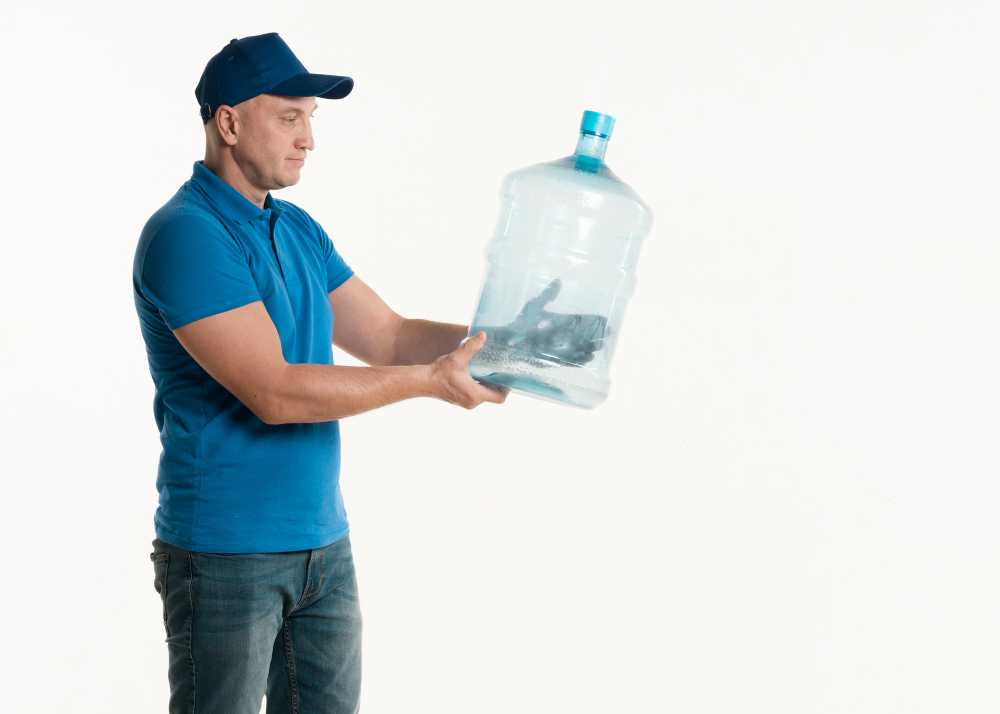
A member of the House of Representatives (DPR) RI, Novita Hardini, suspects the existence of ordered narratives designed to mislead the public regarding the safety of reusable water gallons. Her suspicion arose following the circulation of content that trivialises the dangers of using reusable gallons that have exceeded their usage period. “To be honest, I see content that may have been ordered by one of the bottled drinking water companies, where the content says that people should just relax even though the reusable gallons have exceeded the permitted usage limit,” Novita said in a statement. Novita’s statement comes amid a lack of public understanding about the health risks behind old reusable gallons. Many consumers are unaware that polycarbonate gallons have a usage limit. If this limit is exceeded, the risk of leaching or migration of hazardous chemical compounds such as Bisphenol A (BPA) into the drinking water becomes much higher. Novita assessed that the narrative reassuring the public in the face of this real threat is very risky. “This framing says, ‘See, people are still calm.’ This is dangerous. This is a dangerous alarm,” she stressed. Meanwhile, based on an investigation by the Indonesian Consumers Community (KKI) in October 2025, 57 percent of reusable gallons circulating in the Jabodetabek area had exceeded their age limit. Some had even been used for up to 13 years. A polymer expert from the University of Indonesia, Professor Mochamad Chalid, once explained that the safe usage limit for reusable gallons is ideally 40 refills or the equivalent of one year. Beyond that, the risk of BPA migration becomes higher. Hundreds of scientific studies have linked BPA exposure to health risks, including fertility problems and cancer. Facing this situation, Novita questioned the role of the state and related institutions in providing proper education. She highlighted the absence of official information that should be the public’s right. “Who is responsible for socialising the safety of this bottled water to the public? Honestly, I have never seen any socialisation regarding the use of this drinking water,” Novita said. She emphasised the weak supervision from relevant agencies such as the Food and Drug Monitoring Agency (BPOM) and the National Consumer Protection Agency (BPKN). The DPR is urging that specific regulations be issued immediately and that supervision be tightened. The public has the right to safe drinking water and must not be allowed to become victims of industry promotional narratives that ignore health and consumer safety aspects.