
DPR Urges Tobacco Regulations Not to Reduce Absorption of Local Produce
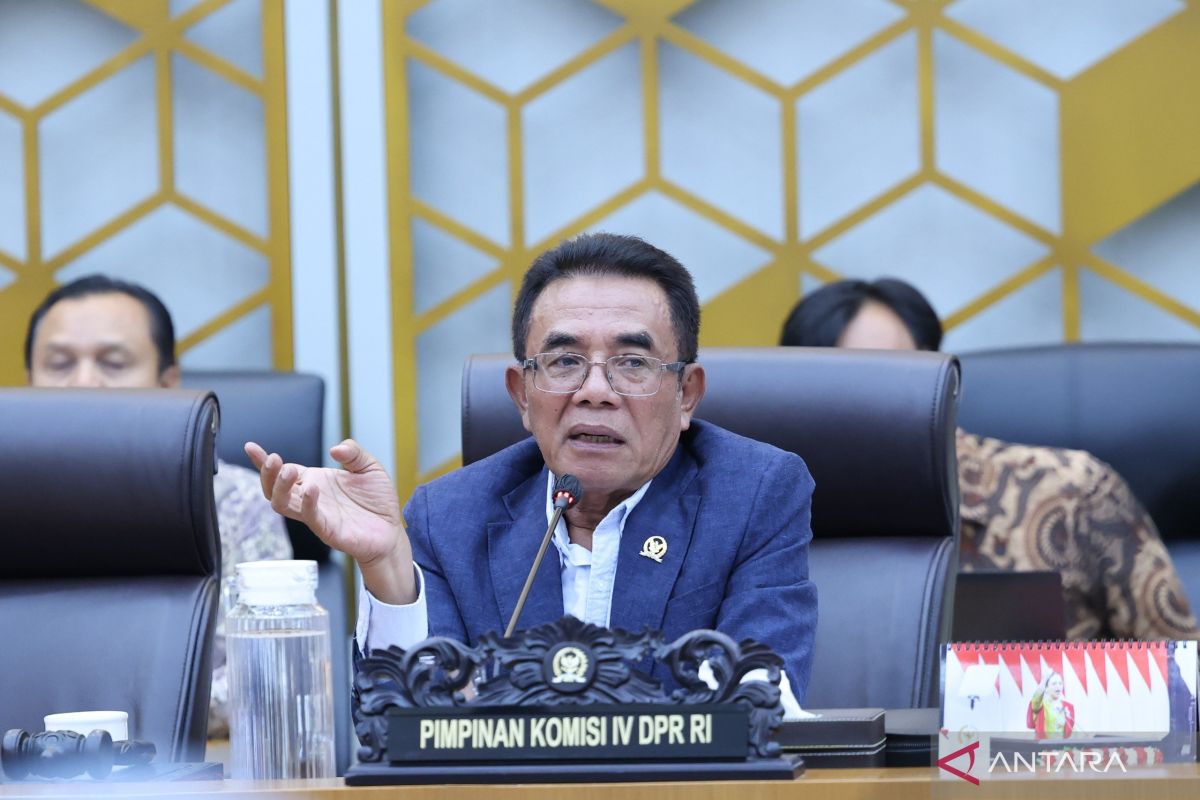
Jakarta (ANTARA) - Deputy Chairperson of DPR Commission IV Panggah Susanto has reminded stakeholders that the implementation of Government Regulation No. 28 of 2024, a derivative of Law No. 17 of 2023 on Health which governs tobacco and cigarettes, must not end up reducing the absorption of locally grown tobacco.
According to him, provisions setting tar and nicotine levels at 1 mg per stick as well as standardising cigarette packaging need to be studied comprehensively. He assessed that the regulation has the potential to squeeze local tobacco farmers and open the door to increased tobacco imports.
“We must not look at the tobacco sector from one side only. There are around 2.5 million tobacco farmers, 300,000 industry workers, and more than 6 million workers in supporting sectors who depend on this ecosystem,” Panggah said in Jakarta on Friday.
He explained that Indonesian tobacco, grown in tropical regions, naturally has higher nicotine and tar characteristics compared to tobacco from subtropical and four-season producer countries such as China, India, Brazil and the United States.
For this reason, he is concerned that the 1 mg per stick tar and nicotine limit could reduce the absorption of local tobacco and open up opportunities for increased imports. This is despite the fact, he said, that the cigarette industry contributes significantly to state revenue, providing around Rp200 trillion.
He also revealed that, based on data from Statistics Indonesia (BPS), there is a rising trend in tobacco imports. In 2019, Indonesian tobacco imports stood at 110.9 thousand tonnes, which then increased to 167.8 thousand tonnes in 2024.
According to him, the DPR has received audiences from the tobacco-growing community and tobacco business players. He urged the government to find a point of equilibrium between health considerations, farmer protection, industrial sustainability, employment absorption, and state revenue.
He stressed that tobacco policy must be formulated with adequate study so that it does not create new adverse impacts for local farmers and the national economy.