
DPR Urges Miners to Prioritise Domestic Coal Supply
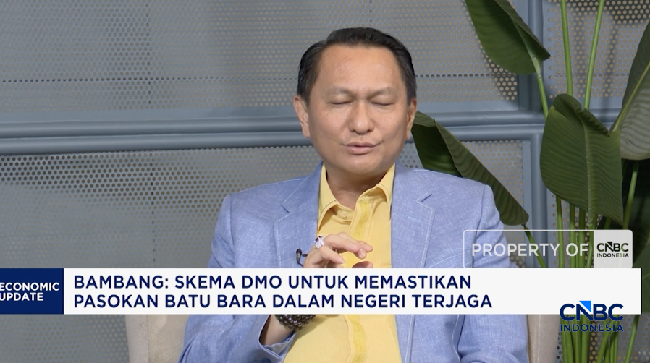
Jakarta, CNBC Indonesia - Commission XII of the Indonesian House of Representatives (DPR) has urged coal mining companies to continue prioritising the fulfilment of energy supplies, particularly coal, for domestic needs. This is deemed crucial to ensure that power plants are not disrupted by high export demand.
Commission XII Chairman Bambang Pati Jaya stated that the Domestic Market Obligation (DMO) policy is the government’s mainstay in balancing business interests with the fulfilment of primary domestic energy needs. Bambang stressed the importance of business actors’ contributions to the assignments set for the domestic market.
‘So if asked what it’s like, the initial purpose of this DMO is to guarantee the continuity of domestic energy supply. Don’t let business actors, because they prioritise their business activities, then just export everything abroad,’ he told CNBC Indonesia in the Economic Update programme, quoted Wednesday (24/6/2026).
The current coal DMO regulation requires mining companies to allocate a minimum of 25% of their production output for the domestic market. ‘Because actually, the DMO, what’s important is the domestic market. They can sell to any company as long as it’s within the country,’ Bambang said.
Despite its good intentions, Bambang noted complaints from coal mining business actors regarding the applicable domestic selling price, known as the Domestic Price Obligation (DPO). The DPO for coal supplied to state electricity company PT PLN (Persero) is set at US$70 per tonne, which is considered unfair because this price applies uniformly across various coal calorie grades produced.
‘Indeed, sometimes in several meetings, business actors have complained. For example, low-range calorie, medium-range calorie, high-calorie, and also cooking coal, why is it all pegged at US$70 per tonne equally,’ he said.
Therefore, his party is encouraging the government to re-evaluate the coal DPO policy to ensure it remains aligned with the DMO’s objectives, namely guaranteeing domestic coal availability and the sustainability of domestic business actors. ‘The most important thing is the guarantee of our energy sustainability, but once again, we must also pay attention to the aspirations of the business world,’ he concluded.